Four European Nations Collaborate to Develop Long Range Cruise Missiles
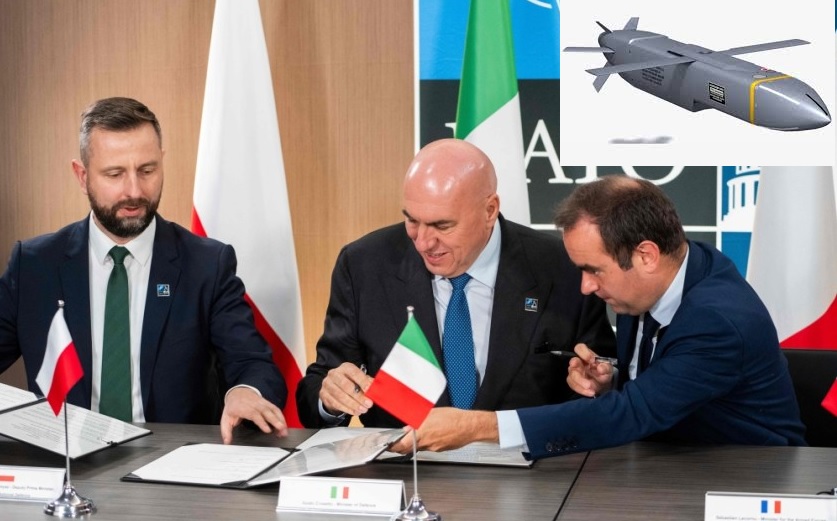
In a significant move to bolster European defense capabilities, France, Germany, Italy, and Poland have committed to jointly developing ground-launched cruise missiles with a range exceeding 500 km (310 miles). This initiative, formalized through a letter of intent signed on Thursday, addresses a critical gap in European arsenals highlighted by the ongoing conflict in Ukraine.
The announcement was made during the NATO summit in Washington, where French Defence Minister Sebastien Lecornu emphasized the deterrent purpose of the new missile. "The idea is to open it up as widely as possible," Lecornu stated, hinting that the UK's new Labour government might also join the project. He noted the financial advantages of shared development, as it would help distribute the costs among the participating nations.
The ambitious timeline for the project includes drafting initial designs by the end of the year, with detailed specifications to be developed subsequently. This project follows closely on the heels of an agreement between Washington and Berlin to deploy U.S. long-range missiles in Germany by 2026, a move that Moscow has condemned as a significant threat to its national security.
Cruise missiles have seen a resurgence in importance since Russia's invasion of Ukraine in 2022. Both sides have utilized these weapons for cross-border strikes, with Ukraine successfully targeting sites within Russian territory. Europe's current cruise missile inventory includes air-launched variants such as Britain's Storm Shadow, France's Scalp, and Germany's Taurus, all with a range of around 500 km.
Unlike ballistic missiles, cruise missiles are designed to fly at low altitudes, making them more challenging to detect by radar systems. According to a military source, the new ground-launched missile aims to achieve a range of 1,000 to 2,000 km, aligning with NATO's requirements for such a capability.
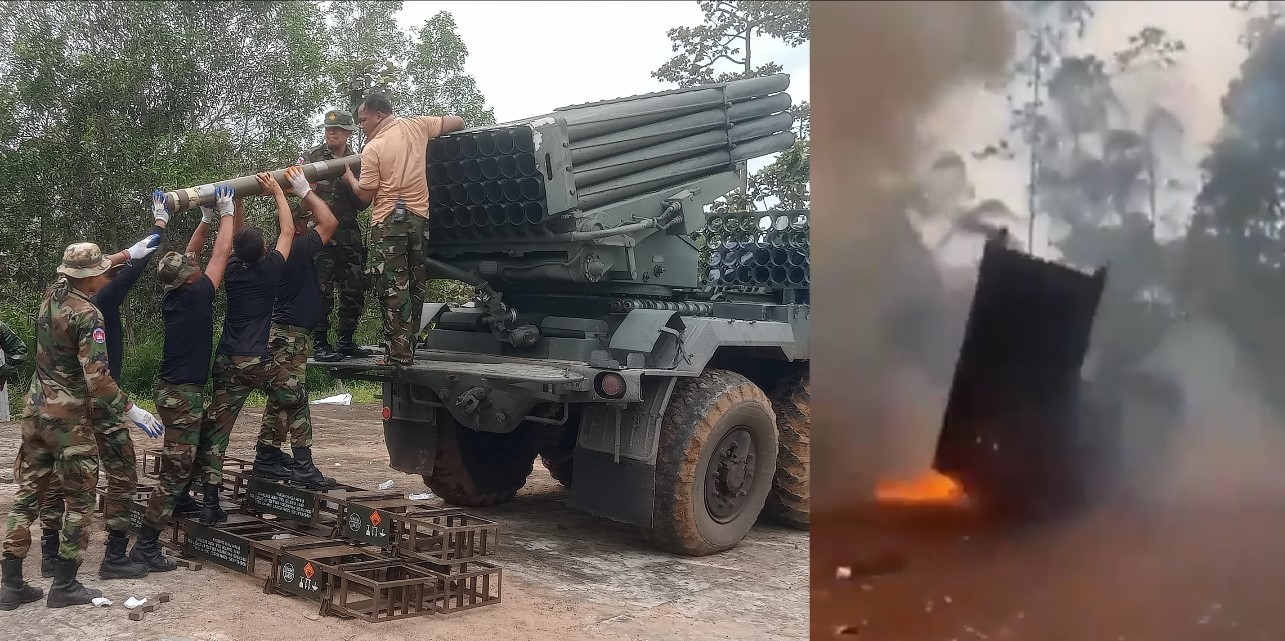
France has proposed basing the new missile on a modified version of its existing naval cruise missile, the MdCN (Missile de Croisiere Naval). This missile, produced by the European defense company MBDA, could potentially be adapted for launch from truck-mounted rocket launchers. MBDA, a consortium involving Franco-German Airbus, British BAE Systems, and Italian Leonardo, is at the forefront of this development.
The introduction of a missile with a range exceeding 500 km marks the re-entry of a category of weapons previously banned under the Intermediate-Range Nuclear Forces (INF) Treaty. Signed in 1987, the INF Treaty prohibited nuclear and conventional ground-launched missiles with ranges between 500 and 5,500 km, leading to the destruction of such weapons by several European nations.
However, the U.S. withdrew from the INF Treaty in 2019, accusing Russia of violating the agreement by developing the 9M729 ground-launched cruise missile (NATO designation: SSC-8). In response, Russia imposed a moratorium on its own development of similar missiles. Yet, last month, Russian President Vladimir Putin indicated that Moscow might resume production of intermediate and shorter-range nuclear-capable missiles in reaction to the deployment of comparable U.S. missiles in Europe and Asia.
This collaborative missile development effort underscores the evolving security landscape in Europe. As nations seek to enhance their defense capabilities, the project highlights the strategic importance of cooperative defense initiatives in addressing contemporary threats.
✍️ This article is written by the team of The Defense News.