Former French Pilot Highlights MiG-29UPG Flat Spin Ejection Challenges During Crash and Commends IAF Pilot’s Heroism
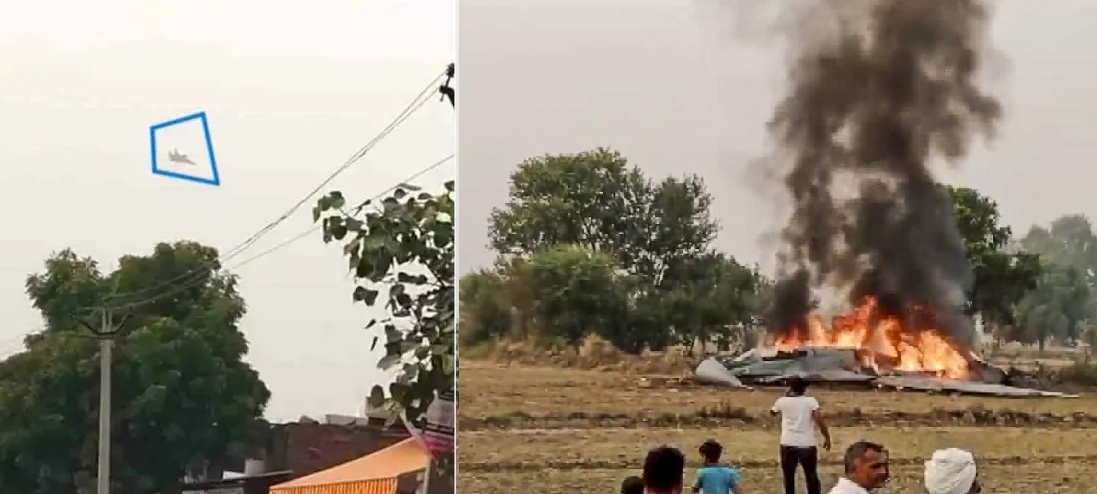
The recent crash of an Indian Air Force (IAF) MiG-29UPG has sparked global discussions about the complexities of emergency ejections in combat aviation. Pierre Henri Chuet, a former French Navy fighter pilot renowned for his expertise with aircraft like the Rafale Marine and Super Etendard, offered a detailed analysis of the incident, shedding light on the unique challenges pilots face in such critical moments.
The MiG-29UPG, an upgraded twin-engine fighter jet known for its agility and combat capabilities, entered a flat spin—a perilous situation where an aircraft loses aerodynamic control and descends rapidly while rotating on its horizontal axis. Flat spins are particularly dangerous due to the intense G-forces and unpredictable movement, making controlled recovery nearly impossible.
The Pilot’s Decisive Action
Chuet praised the MiG-29UPG pilot for displaying exceptional composure and quick thinking. Despite the high stakes, the pilot ensured the aircraft was directed away from populated areas before initiating ejection. Such decisions reflect the profound responsibility pilots bear not just for their own survival but also for minimizing risks to civilians on the ground.
Chuet underscored the pilot's critical decision to eject at a safe altitude, ensuring the ejection seat and parachute system had adequate time to deploy and function. This swift action highlights the importance of rigorous training and mental preparedness, which enable pilots to act decisively under extreme pressure.
The Science and Art of Ejection
Ejecting from a fighter jet, particularly in a flat spin, is a complex process influenced by numerous factors. Modern ejection seats, like the K-36DM used in the MiG-29UPG, are designed to operate effectively across a range of altitudes and speeds. However, flat spins complicate this process due to rapid vertical descent and unpredictable rotational dynamics, which can affect the trajectory of the ejection seat.
Chuet elaborated on the critical role of parachutes in ejection scenarios. These parachutes are often color-coded to suit specific environments—neutral tones for stealth in combat zones or bright colors to facilitate rescue operations in peacetime emergencies. Such considerations are integral to pilot survival and recovery strategies.
Challenges of Fleet Modernization
Beyond the immediate incident, Chuet touched on broader issues faced by the IAF. The MiG-29UPG represents a blend of legacy airframes and modern avionics, embodying the challenges of operating a diverse fleet. Maintaining older platforms while integrating cutting-edge technology demands significant resources and expertise. This complexity impacts operational readiness, fleet standardization, and long-term sustainability.
The MiG-29UPG itself is an upgraded variant of the original MiG-29, featuring improved avionics, radar systems, and air-to-air refueling capabilities. While these upgrades enhance the aircraft’s performance, the aging airframe poses inherent risks, as highlighted by this incident.
Lessons in Training and Technology
Chuet emphasized the value of advanced pilot training and mental fortitude in navigating high-risk scenarios. The successful ejection in such extreme conditions underscores the effectiveness of the IAF’s rigorous training programs. Additionally, the incident highlights the ongoing need for technological advancements to enhance aircraft safety and reliability.
The analysis by Chuet not only celebrates the skill and heroism of the IAF pilot but also provides critical insights into the challenges of combat aviation. From the physics of ejection to the complexities of fleet management, the incident serves as a reminder of the intricate balance between human capability and technological innovation in modern air forces.
This commentary underscores the importance of continuous investment in pilot training, emergency preparedness, and fleet modernization to ensure the safety and effectiveness of combat aviation in the face of evolving challenges.
✍️ This article is written by the team of The Defense News.