Five NATO Allies Commit Over $1 Billion in New U.S. Weapons for Ukraine at Brussels Summit

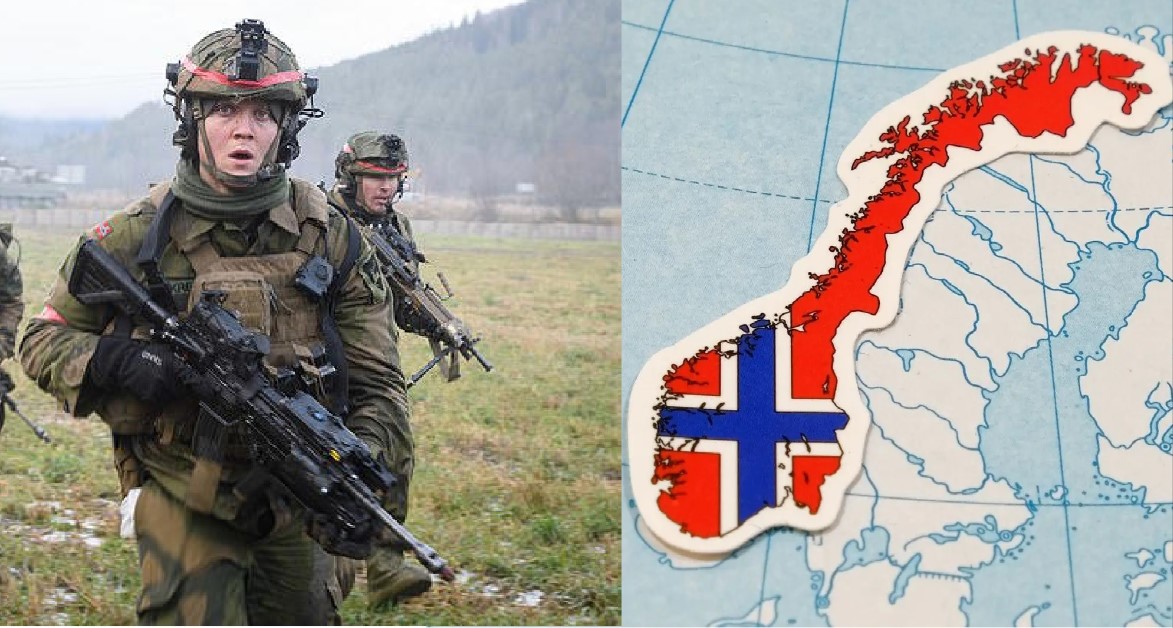
At a meeting of NATO foreign ministers in Brussels on 3 December, five NATO countries – Germany, Norway, Poland, the Netherlands and Canada – committed to more than $1 billion in new purchases of U.S. weapon systems for Ukraine under the alliance’s Prioritized Ukraine Requirements List (PURL) mechanism.
Officials say the money will flow through two joint procurement packages worth $500 million each, supplemented by a separate Canadian pledge, pushing the total to “over $1 billion” – roughly around $1.1 billion once currency conversions are taken into account.
What Exactly Was Announced – And By Whom?
The commitments were unveiled during a NATO foreign ministers’ meeting at alliance headquarters in Brussels, held just ahead of a broader NATO summit.
According to NATO and Ukrainian diplomatic sources:
-
Two joint PURL packages, each worth $500 million, were agreed:
-
One package is co-financed by Germany, Norway and Poland.
-
The second is co-financed by Germany, Norway and the Netherlands.
-
-
Canada will separately contribute about $200 million via PURL for U.S.-made arms destined for Ukraine.
Ukraine’s Foreign Ministry and Ukrainian outlets summarised the result as five countries – Norway, Germany, Poland, the Netherlands and Canada – confirming around $1 billion in additional support through PURL, with Canada and the U.K. also providing other “practical assistance” such as energy support.
This matches – and slightly clarifies – early social-media claims about a single $1.1 billion package: in reality, it is two $500 million joint packages plus Canada’s roughly $200 million, all under the same U.S.–NATO procurement channel.
What Will Ukraine Actually Receive?
The detailed contents of the new packages are not fully public yet, but governments involved and NATO officials have outlined the broad focus:
-
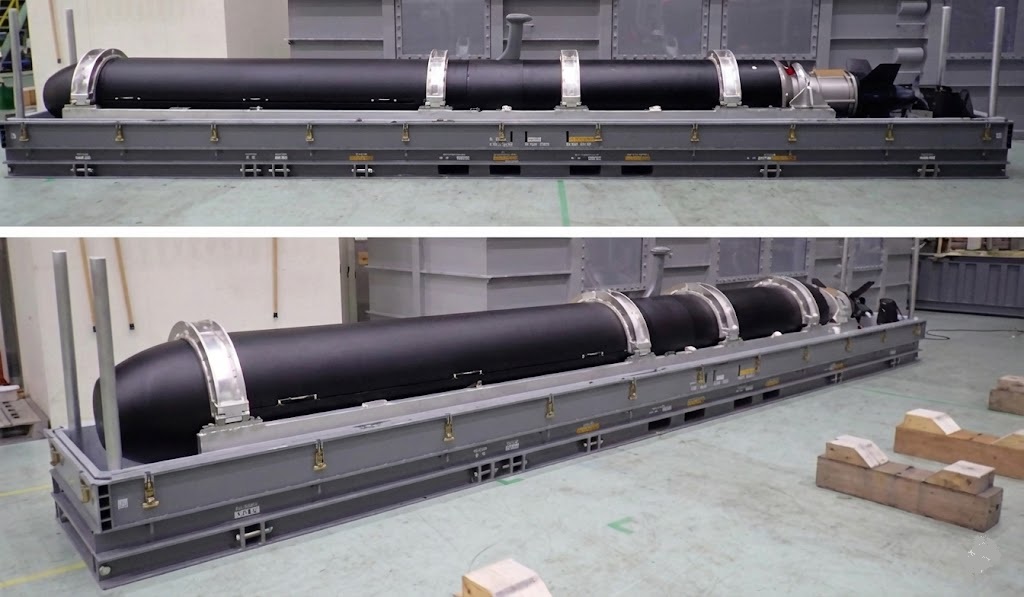
The Norwegian Foreign Ministry says the trilateral package with Germany and Poland will provide air-defence systems, ammunition and other “essential equipment”, all sourced from U.S. industry and delivered via NATO’s logistics network (NSATU).
-
The Netherlands has already confirmed that its PURL contribution – about $290 million in earlier announcements – is earmarked heavily for ammunition for Ukraine’s air-defence systems and F-16 fighter jets, signalling that at least part of the new funding will continue to feed those lines.
-
Previous PURL-funded packages have included Patriot and HIMARS missiles, indicating that the mechanism is used mainly for high-end U.S. systems that Ukraine cannot easily get elsewhere.
Taken together, the new money is expected to focus on:
-
Strengthening Ukraine’s air defences ahead of winter, as Russia again targets critical energy and civilian infrastructure.
-
Topping up artillery and missile stocks needed to blunt Russian assaults along the front.
-
Arming Ukraine’s growing F-16 fleet with U.S.-made munitions.
How the Numbers Add Up
Different governments and media have used slightly different topline figures, but the underlying structure is consistent:
-
$500 million – Joint package from Germany, Norway, Poland
-
$500 million – Joint package from Germany, Norway, Netherlands
-
≈$200 million – Additional Canadian PURL contribution
Depending on whether you count in dollars or euros at current exchange rates, officials and reporters describe the total as “over $1 billion” or “around $1.1 billion” in fresh commitments.
On top of these specific pledges, NATO Secretary General Mark Rutte said this week that more than two-thirds of NATO members have now joined PURL, with total commitments exceeding $4 billion in U.S. weapons purchases for Ukraine this year alone.
What Is the PURL Mechanism and Why Does It Matter?
The Prioritized Ukraine Requirements List (PURL) is a relatively new mechanism jointly run by the United States and NATO:
-
Ukraine submits a prioritised list of weapons and ammunition it needs most urgently.
-
NATO allies pool money, which is then used to buy those items directly from existing U.S. stockpiles and U.S. industry.
-
NATO, through its new Security Assistance and Training for Ukraine (NSATU) command in Wiesbaden, coordinates delivery and training.
PURL accelerates deliveries, because weapons do not need to be newly designed or produced from scratch; they are drawn from systems already in or entering production for the U.S. military. It also shifts more of the financial burden from Washington to European and Canadian allies, aligning with the Trump administration’s push for Europe to “pay more” for Ukraine’s defence.
The new $1+ billion from the five countries is therefore not an isolated gesture, but part of a larger effort to institutionalise long-term military support for Kyiv, even as U.S. domestic politics make direct American aid more uncertain.
Political Signal to Moscow – and to Washington
The timing of the announcement is also political. It comes as:
-
Russian President Vladimir Putin reiterates that Moscow intends to take full control of the Donbas “militarily or otherwise,” while showing little real interest in compromise.
-
U.S. envoys Steve Witkoff and Jared Kushner shuttle between Moscow, European capitals and Kyiv, trying to sell a controversial U.S. peace plan that many in Europe fear would force dangerous concessions on Ukraine.
By locking in new, concrete arms purchases, Germany, Norway, Poland, the Netherlands and Canada are effectively signaling that Ukraine will not be pressured into accepting a “peace” based on military weakness.
Norwegian Foreign Minister Espen Barth Eide underlined this in Brussels, warning that “Europe’s destiny is on the line” and insisting any eventual agreement must be “just and lasting” from Ukraine’s perspective – not merely a ceasefire that freezes Russian gains.
Where This Leaves Ukraine
For Kyiv, the new pledges mean:
-
A firmer pipeline of U.S.-made air-defence systems and munitions going into winter.
-
More predictable funding streams from multiple European capitals and Canada, rather than relying on one big package from Washington.
-
Additional leverage in ongoing peace-talk discussions, since Ukraine can demonstrate that key NATO allies are still prepared to underwrite its defence with hard money, not just rhetoric.
Ukrainian officials have repeatedly warned that without sustained Western weapons flows, the cost of a Russian victory for Europe would far exceed the cost of continued support. The latest PURL commitments from Poland, Norway, Canada, Germany and the Netherlands are designed to keep that scenario off the table – at least for now.
About the Author
Aditya Kumar:
Defense & Geopolitics Analyst
Aditya Kumar tracks military developments in South Asia, specializing in Indian missile technology and naval strategy.