First U.S. Ground-Based Hypersonic Weapon Dark Eagle Delayed Again as Army Misses 2025 Target
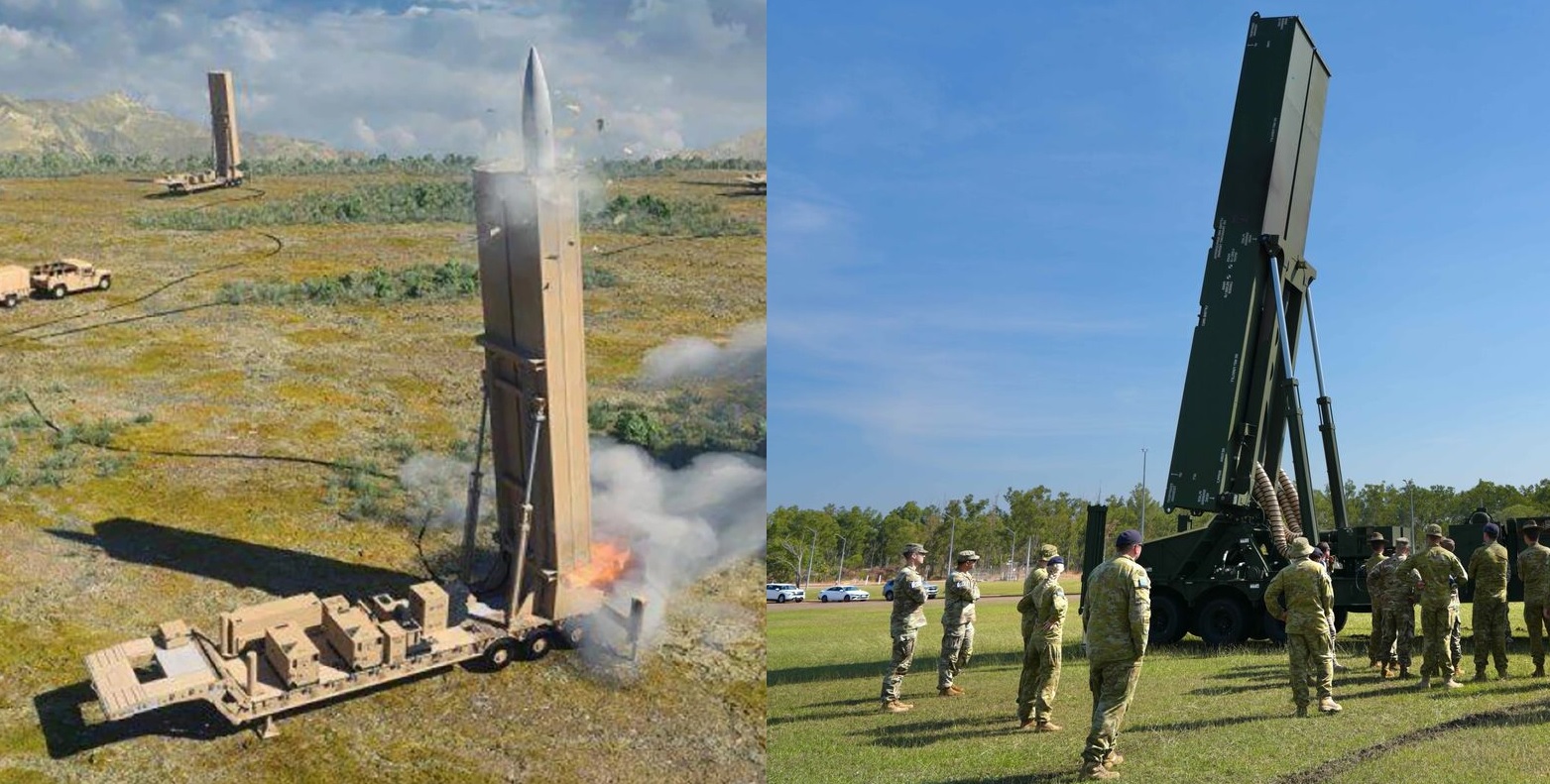
WASHINGTON : The United States Army has formally missed its deadline to deploy the Dark Eagle hypersonic missile, confirming that the nation’s first ground-based hypersonic weapon will not be fielded until early 2026, despite the assigned combat unit already being trained and operationally ready.
The setback, acknowledged this week by the Army and first reported by Bloomberg, marks the third major delay for the Long-Range Hypersonic Weapon (LRHW) program since its launch in 2018. The program has absorbed more than $12 billion in Pentagon funding and is central to Washington’s effort to counter advances by strategic rivals in hypersonic warfare.
A Weapon Ready in Theory, Not in Practice
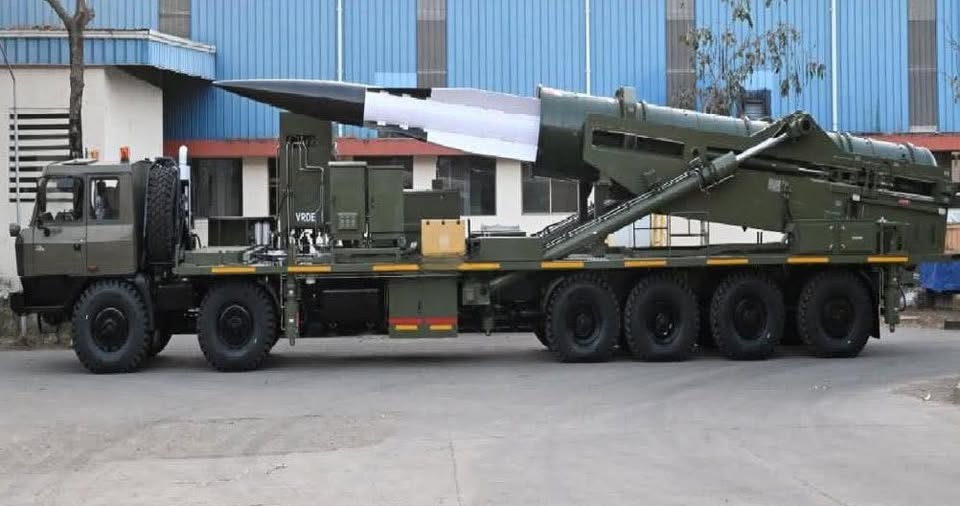
According to the Army, the missile itself has not yet completed the final stages of integration, safety certification, and operational readiness testing required before it can be issued to soldiers. While launchers, command vehicles, and support equipment are already in place, the hypersonic glide vehicle remains short of fielding standards.
“Fielding activities include the required integration, safety, and readiness steps to ensure soldiers receive a system that is reliable, sustainable, and effective in operational environments,” the Army said in a statement, adding that those steps are now expected to conclude in early 2026.
The service emphasized that it is prioritizing system maturity and rigorous testing over speed, reflecting the extreme technical challenges involved in operating weapons that travel at more than five times the speed of sound while enduring intense heat and pressure.
What Dark Eagle Is Designed to Do
Dark Eagle is the Army’s component of a broader $10.4 billion U.S. hypersonic weapons effort. The system uses a boost-glide design: a rocket booster accelerates the weapon to hypersonic speed before releasing a maneuverable glide body capable of striking targets thousands of kilometers away with conventional explosives.
The capability is intended to give the Army a prompt, long-range strike option against high-value targets, including air defenses and command centers, without relying on nuclear weapons. The missile is being developed by Lockheed Martin, while the Army oversees integration, testing, and deployment.
A Pattern of Missed Deadlines
The current delay follows earlier missed milestones in September 2023 and again in 2025, underscoring the difficulty of translating hypersonic concepts into reliable battlefield systems. According to the Government Accountability Office, the first Dark Eagle battery alone is expected to cost roughly $2.7 billion, including missiles, infrastructure, and support equipment.
Despite those challenges, the Army moved ahead with organizational steps. On December 17, it announced the activation of the first Dark Eagle battery, describing it as a “significant advancement” in U.S. military capability. The announcement did not disclose that the missiles themselves were not yet ready for operational use.
Strategic Pressure From Abroad
The delay comes at a sensitive moment for U.S. defense planning. Both China and Russia have already deployed hypersonic weapons, and Russia has used such systems in combat during the war in Ukraine. Defense analysts warn that the continued absence of a U.S. ground-based hypersonic capability leaves a notable gap in deterrence.
The situation also represents an early test for Defense Secretary Pete Hegseth, who has publicly called for faster weapons development and deployment. Hegseth visited a Dark Eagle launcher during a December 12 trip to Huntsville, a key hub for Army missile programs, and has emphasized the need to accelerate fielding timelines without sacrificing safety.
Army officials maintain that the program remains on track for eventual success and argue that rushing a system of this complexity would pose unacceptable risks. If the revised schedule holds, Dark Eagle will finally enter service in early 2026, nearly a decade after development began.
Until then, the United States will continue to rely on testing, prototypes, and allied capabilities as it works to close the hypersonic gap with its global competitors — a reminder that, in modern warfare, speed on the battlefield often depends on patience in the laboratory.
About the Author
Aditya Kumar:
Defense & Geopolitics Analyst
Aditya Kumar tracks military developments in South Asia, specializing in Indian missile technology and naval strategy.