Fast-Track Strike: U.S. to Arm Ukraine with ERAM Cruise Missiles
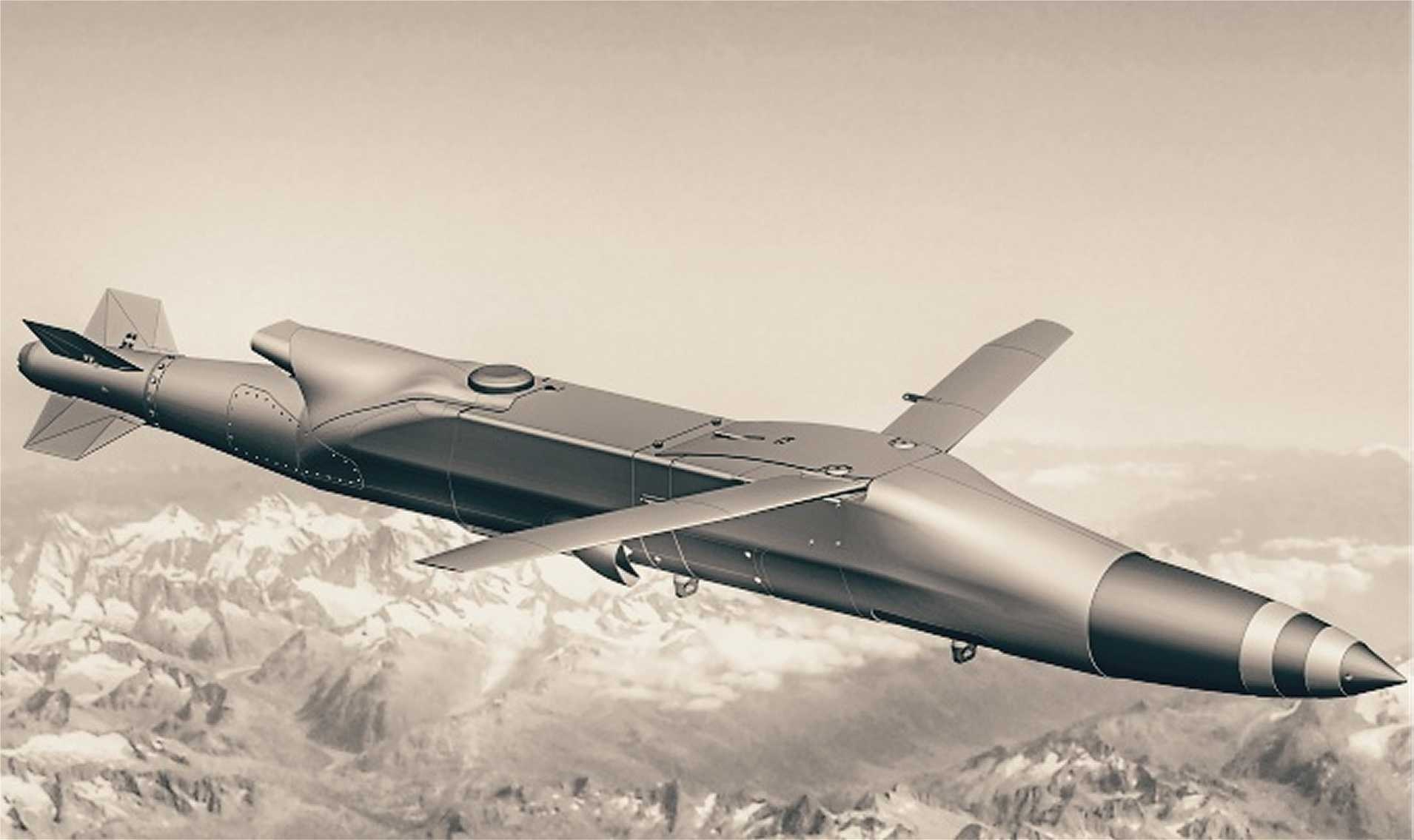
The United States is set to deliver a new generation of low-cost, long-range, air-launched cruise missiles to Ukraine this October, marking one of the fastest weapons development programs in modern history. Known as the Extended-Range Attack Munition (ERAM), the missile has gone from initial concept to operational delivery in just 14 months.
A Radical Shift in Weapons Development
The ERAM was born out of the U.S. Air Force’s Weapons Capacity Task Force, an organization created to accelerate innovation. Backed by a $225 million budget, the Task Force partnered with two nontraditional defense firms, CoAspire and Zone 5 Technologies, which rapidly developed prototypes. Test flights were carried out on a U.S. Douglas A-4 and a Ukrainian MiG-series fighter only months after contracts were awarded.
This speed is unprecedented. Traditional cruise missile programs, such as the JASSM, typically take years or even a decade to field. In contrast, the first batch of ERAMs will arrive in Ukraine in October 2025, with a larger delivery of 840 units planned for late 2026.
U.S. Approval and European Backing
In late August, the U.S. government approved the possible sale of up to 3,550 ERAM missiles to Ukraine, valued at more than $800 million. The package includes GPS-based navigation systems, logistics, and training support. While Ukraine is authorized to receive thousands, the initial shipment will be limited to 10 missiles, allowing Ukrainian forces to begin operational integration on both F-16 and MiG-29 aircraft.
Notably, the program has strong European support. Countries such as Denmark, Norway, and the Netherlands are contributing funding through coordinated defense assistance frameworks, highlighting the growing transatlantic collaboration in arming Kyiv.
What Makes ERAM Special?
-
Fast & Affordable: Developed in record time with cost-saving digital engineering and modular design.
-
Flexible Deployment: Compatible with standard bomb racks, able to mount under aircraft wings or inside weapon bays.
-
Advanced Navigation: Uses GPS and inertial navigation that can function even in jammed or degraded electronic warfare environments.
-
Mass Production Potential: Designed for scalability, with the U.S. considering thousands of additional units for its own stockpile.
Strategic Impact for Ukraine
For Kyiv, the arrival of ERAM adds a new long-range strike option, allowing Ukrainian forces to target critical Russian infrastructure and command hubs from safer distances. Although the Pentagon requires Ukrainian coordination before using long-range U.S. systems inside Russia, the missile still significantly expands Ukraine’s battlefield choices.
A Blueprint for Future U.S. Weapons
The ERAM program is being closely studied in Washington as a model for future weapons procurement. By tapping into nontraditional suppliers and cutting development timelines, the Pentagon hopes to break away from the slow, costly methods of the past.
Beyond ERAM, the Weapons Capacity Task Force is pursuing related projects, including palletized munitions, low-cost air-to-air missiles, and a classified program called Sunrise. Prototyping for hypersonic and subsonic systems is expected to begin in 2026, showing that the ERAM may be just the first of many rapid-fire innovations.
✍️ This article is written by the team of The Defense News.