FBI Arrests Two Chinese Nationals for Smuggling Dangerous Crop Pathogen into the U.S.
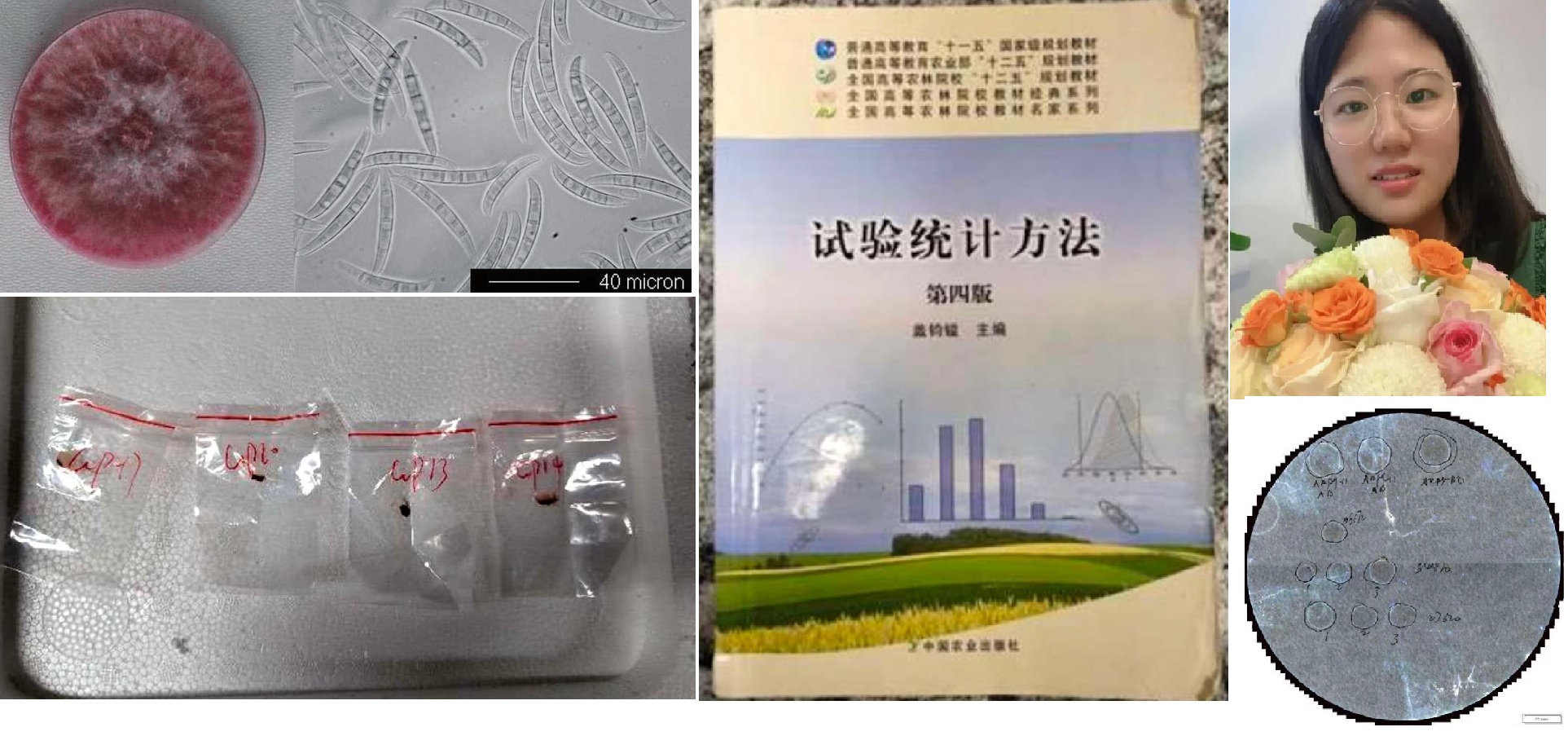
In a troubling case of biological smuggling, the FBI has arrested two Chinese nationals, Yunqing Jian (33) and Zunyong Liu (34), for illegally importing a dangerous agricultural pathogen into the United States. The biological agent in question is Fusarium graminearum, a notorious fungus responsible for causing head blight—a devastating disease that affects key staple crops such as wheat, barley, maize, and rice.
This pathogen not only threatens food security but also poses indirect health risks to both humans and livestock, making the case a national biosecurity concern.
What is Head Blight?
Head blight, also known as Fusarium head blight (FHB), is one of the most destructive crop diseases worldwide. Caused by Fusarium graminearum, the pathogen spreads rapidly under humid conditions, rotting the heads of cereal plants and severely reducing grain quality and yield. Even more concerning is its ability to produce mycotoxins—specifically deoxynivalenol (DON), also called "vomitoxin." These toxins contaminate grain and can cause severe illness in humans and animals when ingested.
In humans, consumption of contaminated grain may lead to nausea, vomiting, abdominal pain, and immune system suppression. In livestock, particularly swine and poultry, the toxin has been linked to growth retardation, reduced feed intake, and reproductive issues.
The Plot Unfolds
According to U.S. authorities, Jian and Liu smuggled samples of this fungus into the U.S. through the Detroit Metropolitan Airport. Liu, after initially denying any wrongdoing, later admitted to bringing the pathogen in for unauthorized research purposes. Both individuals were conducting or intending to conduct studies on Fusarium graminearum at the University of Michigan—without proper disclosure or authorization from U.S. biosecurity or customs officials.
Investigators revealed that Yunqing Jian had previously expressed loyalty to the Chinese Communist Party (CCP) and had received direct funding from the Chinese government for similar work involving this pathogen while in China. Her boyfriend, Zunyong Liu, currently works at a university in China where he also researches Fusarium graminearum.
This connection to Chinese government funding has raised red flags among federal investigators, who fear the act could be part of a broader effort to acquire and manipulate agricultural or dual-use biotechnologies with strategic implications.
Strategic and Economic Threat
The deliberate smuggling of this pathogen into the U.S. cannot be dismissed as mere academic misconduct. Fusarium graminearum is on the radar of many agricultural biosecurity agencies due to its:
-
High contagion and environmental persistence
-
Ability to devastate crop yields
-
Impact on food safety and animal health
-
Economic ramifications: estimated global losses run into billions of dollars annually
The U.S. Department of Agriculture (USDA) classifies this fungus as a serious plant pest. An outbreak within domestic farmlands could cripple U.S. cereal production and require years to fully contain.
National Security Concerns
This case arrives at a time of heightened concern over foreign espionage in U.S. research institutions. In recent years, federal agencies have been increasingly vigilant about safeguarding sensitive agricultural, medical, and technological research from covert foreign influence or theft. While there is no direct evidence yet that Jian and Liu intended to sabotage American agriculture, the unauthorized transport and research of such a potent pathogen—along with links to Chinese government-sponsored projects—has cast a long shadow over their intentions.
Current Legal Action
Both Jian and Liu are now facing federal charges for smuggling biological material without proper declaration and for conducting unapproved research involving a regulated agricultural pathogen. They are being held under suspicion of violating the Plant Protection Act and potentially other statutes related to biosecurity and foreign influence.
The FBI and the U.S. Department of Agriculture continue to investigate the full scope of the incident, including whether there were any other accomplices or institutions involved, either in the U.S. or abroad.
This incident underscores the complex intersection of biological research, international relations, and national security. As biological materials become easier to transport and manipulate, the risk of their misuse—deliberate or negligent—rises. The arrest of Jian and Liu serves as a stark reminder of the importance of stringent oversight in the global scientific community, especially in fields dealing with pathogens that can cause mass agricultural disruption and human health risks.
✍️ This article is written by the team of The Defense News.