F-404 Engine Delays Stall Tejas Mk-1A Rollout, HAL Races to Meet IAF Deadlines
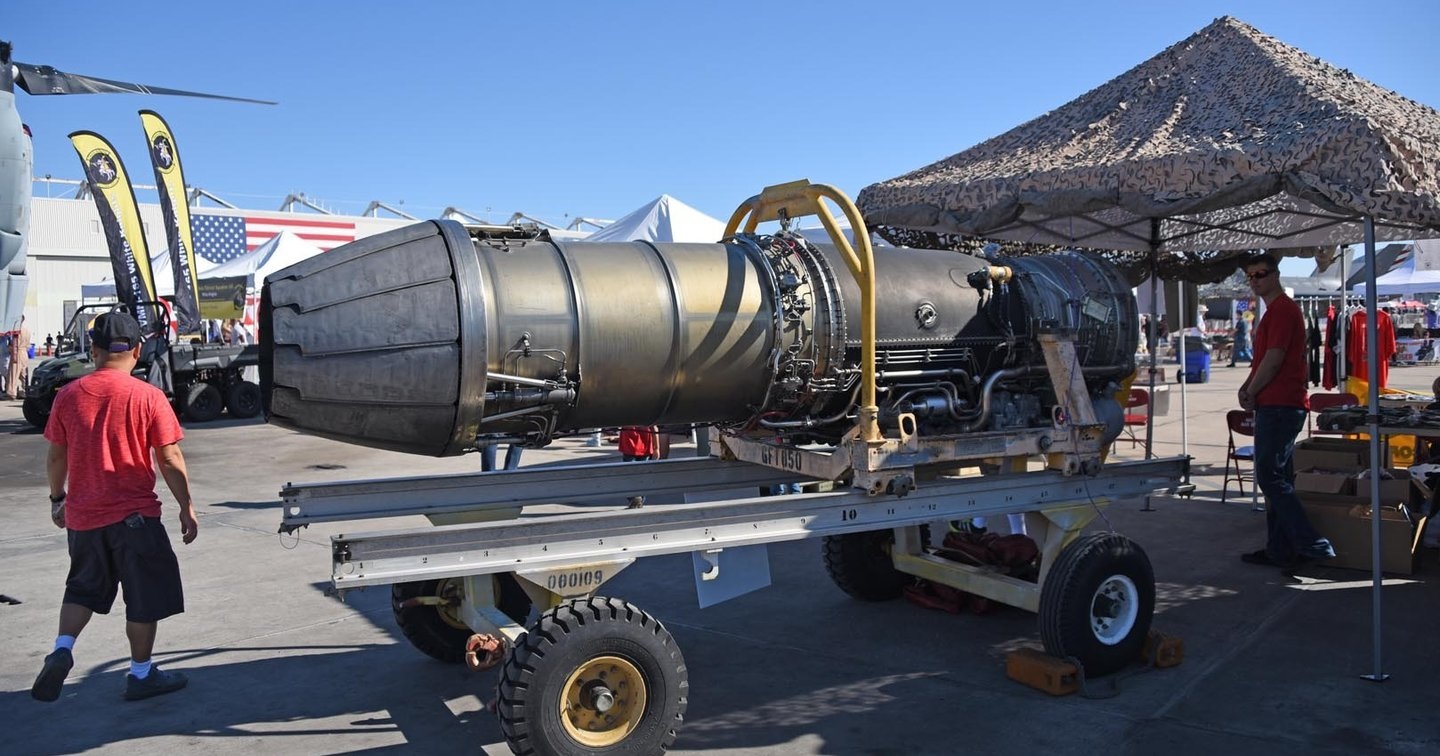
New Delhi : Hindustan Aeronautics Limited’s (HAL) ambitious Tejas Mk-1A fighter jet programme has hit turbulence as delays in the supply of F-404 jet engines from General Electric (GE) slow production schedules and push back deliveries to the Indian Air Force (IAF).
Engines in Short Supply
The U.S. aerospace giant had earlier completed a batch of 65 F-404 engines for India in 2016, after which the production line was shut. A fresh order of 99 engines placed in 2021 required GE to restart the line, but reactivation has been slower than expected due to supply chain bottlenecks and disrupted vendor networks.
While deliveries began in March 2025, with another in July, GE has been unable to meet the promised monthly supply. Missed deliveries in August have forced GE to assure HAL that 3–5 engines will arrive by September–October to make up for the backlog. GE has committed to stabilising deliveries at two engines per month by March 2026, and later ramping up to 24–30 engines annually from 2027 onwards.
HAL’s Production Bottlenecks
HAL has so far assembled two Tejas Mk-1A fighters fitted with the available engines. Both are undergoing advanced weapon trials, including tests of Astra air-to-air missiles, laser-guided bombs, and the Israeli ELTA ELM-2052 radar. One of these jets is stationed at the new Nashik facility, inaugurated to scale up Tejas production, and is expected to be handed over to the IAF around October this year.
The delays have already impacted HAL’s financials, with the company reporting an 8% drop in quarterly profit earlier this year due to slower aircraft handovers. Officials, however, remain confident that with stabilised engine supplies, HAL will be able to deliver 12–16 aircraft annually from 2026, rising to nearly 30 jets a year by 2028 across its Bengaluru and Nashik plants.
IAF’s Expanding Demand
The IAF’s requirement has grown sharply. The initial ₹45,000-crore contract for 83 Mk-1A fighters has now been followed by Cabinet approval for an additional 97 aircraft, raising the total production target to around 180 jets by 2032. This expansion means HAL will require more than 110 additional F-404 engines beyond the original contract, putting further pressure on GE to scale up its production line.
Future Hinges on F-414 Deal
Even as the Mk-1A programme struggles with engine supplies, attention is turning to the next stage. India and GE are deep in negotiations over the more powerful F-414 engines, which will power the Tejas Mk-2 and the fifth-generation Advanced Medium Combat Aircraft (AMCA). A high-level Indian delegation is set to visit the U.S. later this year, with both sides aiming for a final agreement by 2026.
Experts stress that while the F-404 is vital for the Tejas Mk-1A fleet, the F-414 will be the cornerstone of India’s future fighter jet capability. At the same time, pressure is mounting on India to accelerate indigenous engine development to reduce strategic dependence on foreign suppliers.
✍️ This article is written by the team of The Defense News.