Ex-Pentagon Official: Pakistan Army Chief’s Nuclear Threat ‘Like Osama bin Laden in a Suit
A former Pentagon analyst has issued a blunt warning about Pakistan’s recent nuclear rhetoric, accusing the country of acting like a “rogue state” after its army chief allegedly made alarming threats during a visit to the United States.
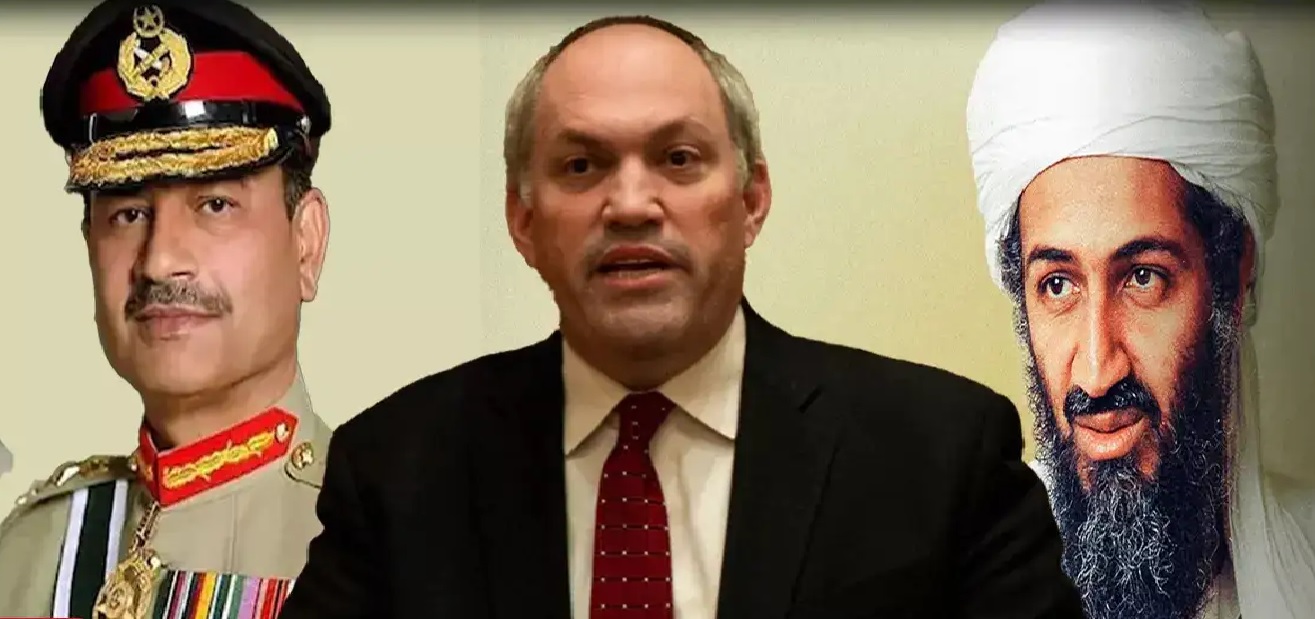
The controversy stems from remarks reportedly made by General Asim Munir, Pakistan’s army chief, during a meeting with US military officials in Tampa, Florida. According to accounts, Munir allegedly warned that if Pakistan were to “go down,” it would “take half the world down” with it — a statement interpreted as a thinly veiled nuclear threat.
Michael Rubin, a former US defense official and senior policy expert, condemned the comments as “completely unacceptable,” comparing them to rhetoric once used by terrorist leaders such as Osama bin Laden and extremist groups like ISIS. He argued that such statements raise serious doubts about Pakistan’s reliability as a responsible nuclear power.
Rubin urged Washington to respond decisively, suggesting that Pakistan should be stripped of its status as a major non-NATO ally and even considered for designation as a state sponsor of terrorism. He went further, calling for General Munir to be declared persona non grata, banned from receiving US visas, and immediately expelled from the country following such remarks.
He criticized the lack of immediate pushback from US officials present during the meeting, saying Munir should have been escorted to the airport “within 30 minutes” of making the alleged threat.
Beyond the immediate controversy, Rubin warned that Pakistan’s unstable political climate, combined with its nuclear arsenal, creates a dangerous environment where terrorist groups could gain access to nuclear weapons. He said this is not a typical diplomatic dispute, but a fundamental threat to global security.
Rubin also floated controversial long-term solutions, including allowing Pakistan to face a “managed decline” — which could involve recognizing independence movements in regions like Balochistan — and even future military operations by US special forces to secure Pakistani nuclear weapons if the situation deteriorates.
The analyst linked the episode to shifting US foreign policy, noting that former President Donald Trump’s engagement with Pakistan marks a departure from decades of bipartisan support for deepening US-India ties. He argued that ongoing friction between Washington and New Delhi — partly over India’s oil trade with Russia — would likely ease under future administrations, strengthening the strategic partnership.
Rubin’s stark comments highlight growing unease in Washington over Pakistan’s political trajectory and the risks posed by its nuclear arsenal. For US policymakers, the challenge lies in balancing diplomatic engagement with the need to address potential threats from a nuclear-armed nation in one of the world’s most volatile regions.
✍️ This article is written by the team of The Defense News.