European Plan to Use Frozen Russian Assets for Ukraine Stalls as France and Belgium Refuse to Bear Risks
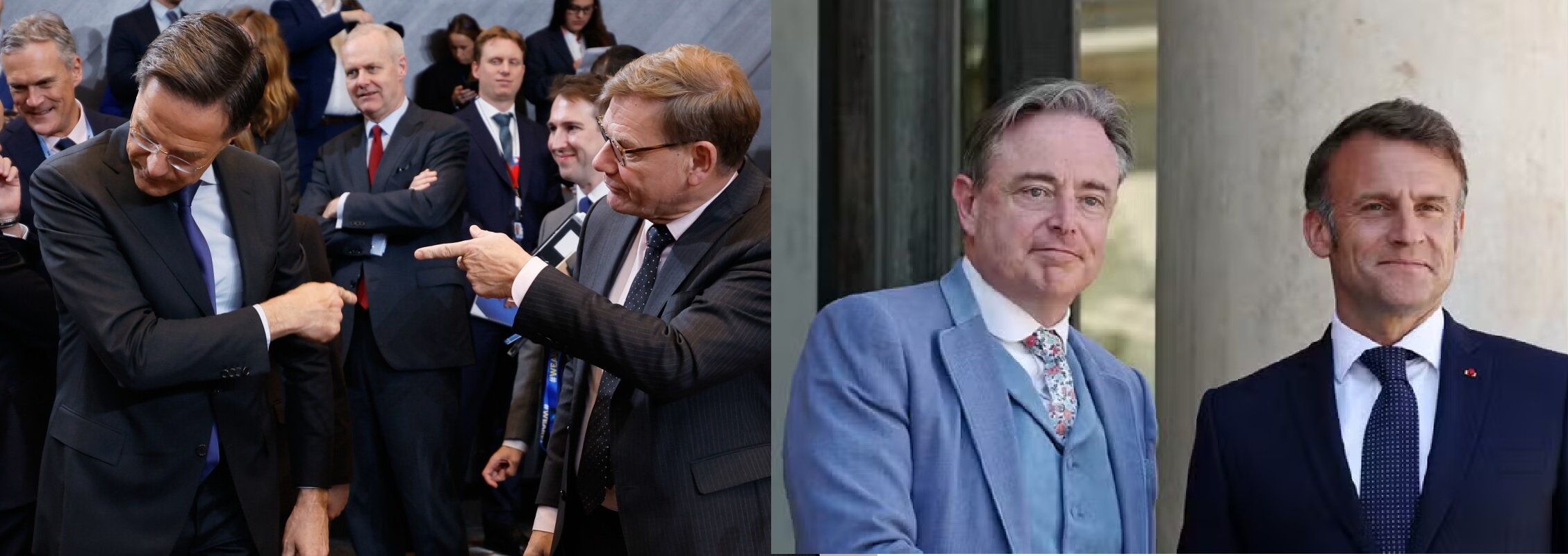
The European Union’s proposal to finance Ukraine using frozen Russian state assets is facing major internal resistance, with France and Belgium now blocking the plan and sharply reducing hopes of a unified EU strategy.
France Rejects Use of €18 Billion Frozen in Its Banks
France has refused to contribute the €18–19 billion in Russian sovereign assets frozen in its commercial banks to the EU’s proposed “reparations loan” for Ukraine. Paris argues that forcing private banks to pledge or transfer these assets could trigger serious legal liabilities, including lawsuits from Russia and affected clients.
French officials say the status of these assets — held in various private accounts and financial products — makes them far more complex than the centralized Russian reserves held at Euroclear in Belgium.
Belgium Refuses to Take the Burden Alone
Belgium, which hosts €165–185 billion of immobilized Russian assets at Euroclear — the largest single holding in the EU — has also rejected the Commission’s plan. Brussels insists it will not carry the legal and financial risk alone while other EU capitals hold back.
Belgian leaders warn that any unilateral confiscation could:
- Belgium could be exposed to huge compensation claims if the war ends and Russia sues for restitution;
-
the amount at stake is close to a third of Belgian GDP, making any unilateral liability politically and financially explosive; and
-
Russian retaliation could threaten Euroclear itself, with its CEO reportedly warning that overly aggressive moves could even risk the depository’s solvency.
The EU’s Financing Plan Hits a Wall
The European Commission had proposed raising up to €90 billion for Ukraine by using frozen Russian assets as backing for a new EU loan programme.
The idea followed the earlier EU decision to redirect windfall profits generated from Russian central bank assets — which yields only a few billion euros annually. The Commission’s new proposal aimed to create a more powerful, long-term financing mechanism as Ukraine struggles with growing budget needs.
However, the plan requires unanimity, and both France and Belgium have now created a political deadlock.
Legal Risks and Financial Warnings
EU lawyers, national finance ministries, and the European Central Bank have repeatedly warned that confiscating or pledging the principal of Russian sovereign assets could violate international protections for central bank property.
The ECB has refused to act as a guarantor, signalling that the proposal falls outside its legal mandate.
Russia, meanwhile, has vowed to fight any asset seizure in court for decades and to retaliate by targeting European companies’ assets in Russia.
Some EU States Push Forward, But Momentum Slows
Seven EU member states — including Estonia, Lithuania, Latvia, Finland, Sweden, Poland, and Ireland — have urged Brussels to push ahead, arguing that Russia’s invasion already justifies exceptional action and that Ukraine cannot afford financial delays.
But without France and Belgium, the Commission may need to scale down its ambitions and rely only on windfall profits or conventional EU borrowing instead of asset-backed loans.
Ukraine Left Waiting
For Ukraine, the stalled proposal comes at a critical moment. The G7 has already approved a $50 billion loan backed by future profits from frozen Russian assets, but EU backing is essential for longer-term stability.
With major internal divisions, the EU’s plan to turn frozen Russian reserves into a substantial, securitized fund for Ukraine is effectively paralyzed — politically alive, but in practice “deader than dead,” as one official described.
About the Author
Aditya Kumar:
Defense & Geopolitics Analyst
Aditya Kumar tracks military developments in South Asia, specializing in Indian missile technology and naval strategy.