Estonia’s Reserve Soldiers Fire HIMARS for First Time in Historic Live-Fire Drill on Saaremaa
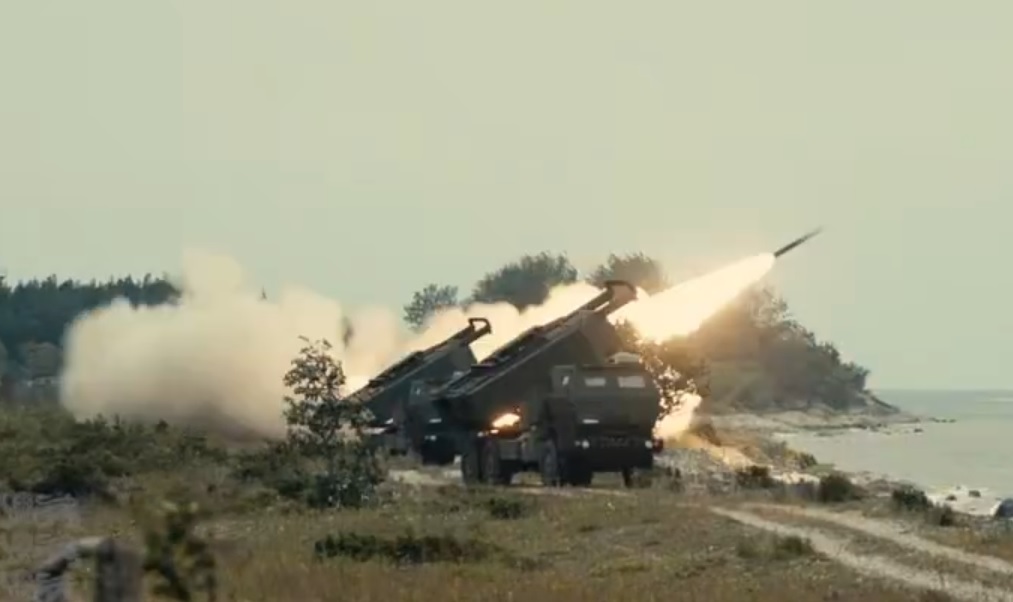
In a major milestone for Estonia’s defense readiness, reserve soldiers of the Estonian Defence Forces (EDF) have, for the first time, successfully conducted a live-fire exercise using HIMARS rocket launchers. This landmark event took place on 11 July on the Undva Peninsula in Saaremaa, as part of a larger artillery battery training assembly held from 4 to 12 July in the Saaremaa and Muhu municipalities.
The exercise featured Estonian reservists who had previously undergone specialized training in operating the M142 High Mobility Artillery Rocket System (HIMARS)—one of the most advanced precision-guided artillery systems in the world. This marks a significant upgrade to Estonia’s firepower, showcasing the country’s growing capacity to conduct independent, high-tech military operations.
“The HIMARS is now part of our national defence,” said Battery Sergeant Major Margus Oras of the Division Artillery Battalion. “Training began even before the systems arrived in Estonia, in cooperation with units from the United States.”
The HIMARS system, manufactured by Lockheed Martin, is highly regarded for its long-range precision strike capability. It can deploy a variety of guided munitions, such as the GMLRS (Guided Multiple Launch Rocket System) rounds with a range of over 70 km, and even ATACMS tactical ballistic missiles, depending on configuration. Though Estonia has not publicly confirmed which munitions it currently holds, the system dramatically increases its operational range and deterrence capacity.
The Estonian Defence Forces received HIMARS units as part of a broader push to modernize its artillery forces in response to heightened regional security threats, especially after Russia's invasion of Ukraine. The training and eventual integration of HIMARS into the country’s defense strategy has involved close cooperation with the United States, including early operator training before the platforms arrived on Estonian soil.
“Today, we have a fully trained rocket artillery battery that continues to practise defending Estonia,” added Oras. “We have both experienced teams and state-of-the-art equipment – and now we’ve reached a level where we can independently conduct both training and firing exercises.”
The nine-day training assembly focused on enhancing combat readiness and unit interoperability. It gave reservists the opportunity to refresh technical skills, work in synchronized fire teams, and sharpen their real-time operational responses in a simulated battlefield setting. These exercises are especially critical in ensuring that reserve soldiers are combat-ready and capable of seamlessly integrating with active units when needed.
The Division Artillery Battalion, which organized the exercise, plays a central role in Estonia’s indirect fire capabilities. It serves as a training and support hub for both conscripts and professional soldiers and is tasked with providing fire support to division-level units during wartime.
The live-fire exercise not only demonstrates Estonia’s growing self-reliance in advanced warfare technologies but also sends a clear signal to allies and potential adversaries alike: Estonia is serious about defending its territory and is capable of using modern tools to do so. The integration of HIMARS is expected to reshape Estonia's defensive posture, making it more agile, more precise, and more connected to NATO’s collective security infrastructure.
✍️ This article is written by the team of The Defense News.