Elbit Systems Secures $150 Million European Contracts to Shield Military Air Fleets from MANPADS Threats
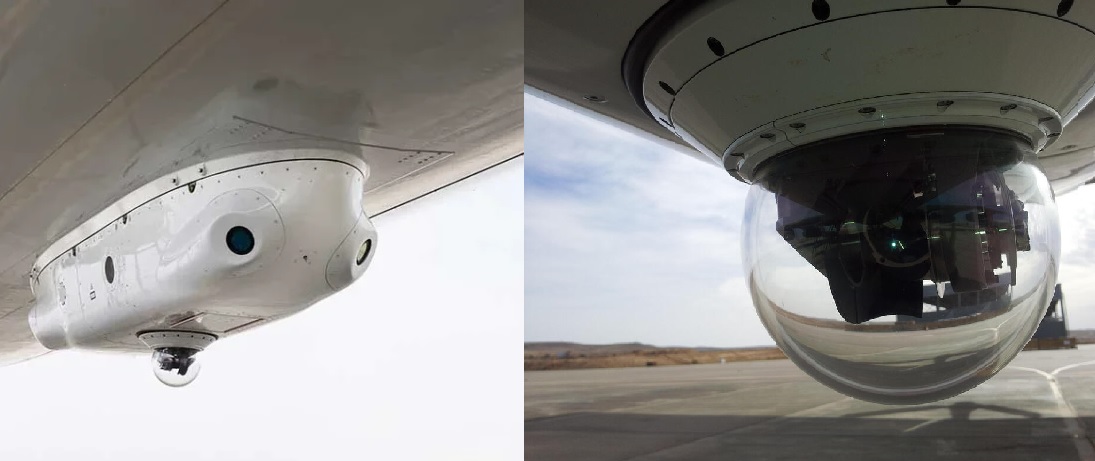
Jerusalem / Europe: Israeli defence major Elbit Systems has secured new contracts worth approximately $150 million to equip additional European military air fleets with its Directed Infrared Countermeasures (DIRCM) self-protection systems, significantly expanding the footprint of one of the world’s most trusted airborne survivability technologies.
The contracts, awarded by multiple European customers, will see Elbit Systems deliver, integrate, and support its combat-proven DIRCM suites, including the flagship J-MUSIC solution. Deliveries are expected to take place over the next several years, reinforcing Europe’s efforts to protect strategic airlift and high-value aviation assets against rapidly evolving missile threats.
At the core of these contracts is the growing concern over the proliferation of MANPADS—portable infrared-guided missiles that pose a persistent and lethal risk to military transport aircraft, refuellers, ISR platforms, and VIP aircraft operating in contested or semi-permissive airspace. Conflicts over the past decade have demonstrated that even non-state actors can field sophisticated MANPADS, making advanced onboard protection no longer optional but essential.
Elbit Systems’ DIRCM technology addresses this threat through a combination of advanced missile warning sensors, high-resolution imaging, and laser-based countermeasures. Once an incoming missile is detected, the system rapidly tracks it and directs a precisely modulated laser beam to disrupt the missile’s infrared seeker, effectively breaking lock before impact. This hard-to-jam, fast-reaction approach provides protection without relying on expendable flares, reducing logistical burden and collateral risk.
The J-MUSIC DIRCM system, specifically selected under these new contracts, is already operational with numerous air forces worldwide and has accumulated hundreds of thousands of flight hours on a wide range of aircraft types. Its compact architecture and low drag profile allow seamless integration on large transport aircraft, tankers, and special-mission platforms, making it particularly suited for Europe’s multinational fleets.
According to industry analysts, the latest $150 million award reflects a broader trend across NATO and partner nations, where strategic airlift missions are increasingly exposed to near-peer and asymmetric threats. Humanitarian air drops, rapid troop deployments, and logistics flights often operate close to hostile territory, elevating the need for persistent, always-on self-protection.
Elbit Systems emphasized that the contracts also include long-term sustainment, training, and system upgrades, ensuring that customer fleets remain protected against future generations of infrared-guided missiles. The company’s DIRCM roadmap incorporates continuous software evolution, improved threat libraries, and enhanced sensor fusion to counter emerging seeker technologies.
With these latest European orders, Elbit Systems further cements its position as a global leader in airborne self-protection, while Europe accelerates the hardening of its air mobility backbone. As missile threats continue to spread and operational environments grow more complex, DIRCM systems like J-MUSIC™ are fast becoming a standard fit rather than a niche capability—a shift underscored by this significant $150 million investment in crew and aircraft survivability.
About the Author
Aditya Kumar:
Defense & Geopolitics Analyst
Aditya Kumar tracks military developments in South Asia, specializing in Indian missile technology and naval strategy.