EU Imposes Sanctions on Indian Refinery Nayara Energy Over Russian Oil Trade

The European Union (EU) on July 18, 2025, announced new sanctions—and for the first time, they directly impact an Indian company.
The sanctions target Nayara Energy Ltd, a large Indian oil refinery located in Gujarat and partly owned by Russian oil giant Rosneft, which holds a 49.13% stake. The move is part of the EU’s broader effort to cut off Russia’s oil revenues being used to fund the war in Ukraine.
Why Nayara Was Targeted
The EU alleges that Russia is using third countries, including India, to bypass earlier sanctions. Nayara Energy, previously known as Essar Oil Ltd, runs one of India’s biggest refineries and operates more than 6,750 retail fuel stations across the country. It processes a significant portion of Russian crude oil, which has increased sharply after the West stopped buying directly from Russia.
The new EU sanctions block Nayara from exporting refined products like diesel and petrol to any EU country. The aim is to stop Russia from indirectly accessing European markets through countries not formally part of Western sanctions.
India’s Response
India responded strongly, saying it “does not subscribe to any unilateral sanctions” and remains “a responsible actor” committed to its legal obligations. New Delhi has consistently maintained that its energy trade decisions are driven by national interest and economic security, not political alignment.
What Else Is in the Sanctions Package
The EU’s latest measures also include:
-
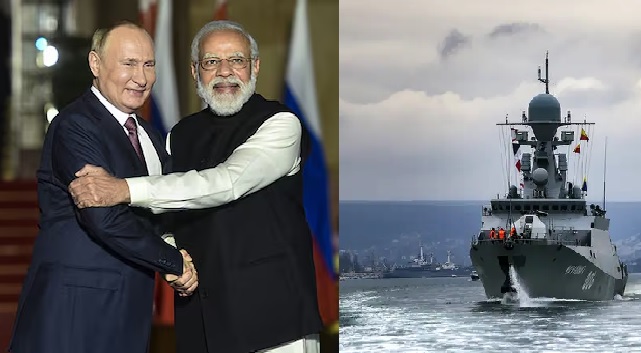
Blacklisting 105 vessels that are part of Russia’s so-called “shadow fleet”—a group of ships used to secretly move Russian oil and evade sanctions. This fleet has grown from 100 ships in 2023 to nearly 800 ships in 2025.
-
Excluding 20 more Russian banks from the global payments system, tightening financial restrictions that already froze around two-thirds of Russia’s $330 billion central bank reserves.
-
Lowering the oil price cap from $60 to $47.60 per barrel on Russian crude. This cap, enforced by the G7 countries, is designed to limit Moscow’s oil income while allowing oil to continue flowing to global markets to avoid price shocks.
Impact on Global Oil Market
India and China, which have been buying large amounts of discounted Russian oil, may now find more pricing advantages due to the lowered cap. However, the EU’s action on Nayara indicates that Asian refiners could face more scrutiny going forward if they’re seen as helping Russia sidestep Western sanctions.
Why This Matters
This is the first time a non-Russian, non-Western company has been directly punished for its involvement in Russian oil trade. The EU is now clearly expanding its sanctions to target third-party countries, not just Russia itself.
These new measures show that the EU is closing the loopholes in its sanction system and sending a message that neutral countries dealing with Russian energy might also face consequences.
The Nayara Energy case may become a precedent, signaling that the EU and its allies are ready to act against any player—regardless of nationality—that helps Russia’s war economy survive.
✍️ This article is written by the team of The Defense News.