EU Approves Joint Procurement of Advanced Mistral 3 Missiles to Strengthen European Air Defense
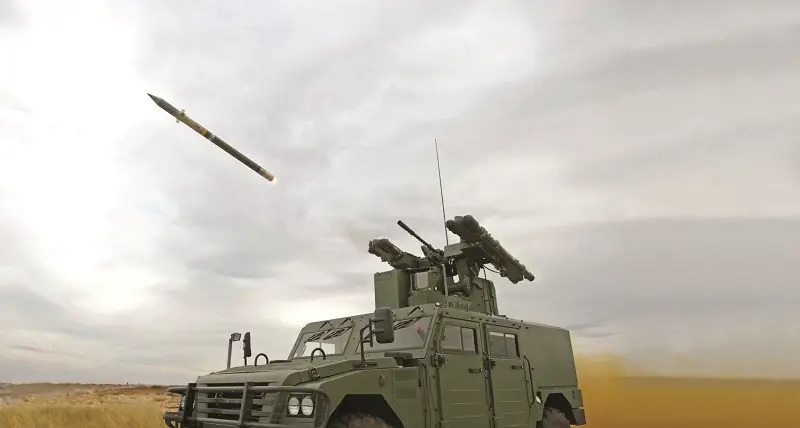
In a landmark decision, the European Commission has approved a joint procurement initiative for the highly advanced Mistral 3 surface-to-air missiles, led by France. This collaborative effort, involving nine European nations—France, Belgium, Cyprus, Estonia, Hungary, Romania, Spain, Slovenia, and Denmark—marks a significant stride in bolstering the continent’s air defense capabilities. The decision, announced on November 14, 2024, reflects the growing emphasis on unified defense strategies amidst evolving security challenges in the region.
A Unified European Defense Vision
The project, part of the European Defence Industry Reinforcement through Common Procurement Act (EDIRPA), is a testament to Europe's commitment to fortifying its defense industrial base through joint acquisitions. By pooling resources and requirements, the participating nations aim to enhance not just their collective security, but also the resilience and competitiveness of the European defense industry.
France’s Defense Procurement Agency (DGA) will oversee the acquisition of 1,500 Mistral 3 missiles from MBDA, a leading European missile manufacturer. This deal, underpinned by a cooperation framework agreement signed during the Eurosatory exhibition in June 2024, is poised to provide long-term visibility to defense manufacturers, ensuring operational continuity and innovation.
Mistral 3: Cutting-Edge Technology
At the heart of this initiative lies the Mistral 3 missile, an exemplary short-range air defense system known for its versatility and precision. The Mistral 3 is equipped with a "fire-and-forget" guidance system, allowing it to lock onto targets autonomously after launch. Its advanced seeker technology, including dual-band imaging infrared and laser proximity fuse, ensures high accuracy even in cluttered or countermeasure-heavy environments.
Key specifications of the Mistral 3 include:
- Speed: Exceptional agility with speeds exceeding Mach 2.
- Target Capability: Effective against aircraft, helicopters, drones, cruise missiles, and loitering munitions.
- Mobility: Weighing under 20 kilograms and measuring less than two meters, it is easily portable by ground units.
- Operational Range: Covers targets at a distance of up to 6 kilometers and altitudes of 3 kilometers.
These attributes make the Mistral 3 a critical component in addressing modern aerial threats, particularly in low-altitude, high-threat scenarios.
Strategic Implications
This joint procurement effort is more than just an acquisition; it represents a shift toward greater European defense integration. By adopting a cooperative framework, member states aim to minimize costs, avoid duplication, and create a more unified response to shared threats. Moreover, this initiative ensures participating nations receive state-of-the-art technology while fostering industrial synergies within the European Union.
The approval of the Mistral 3 project underscores the EU's resolve to adapt to an increasingly contested airspace. As security dynamics evolve, projects like this not only enhance national defense but also strengthen the bloc's collective deterrence capabilities.
The European defense landscape is entering a new era of collaboration and technological advancement. With the Mistral 3 initiative leading the way, participating nations have set a precedent for future joint procurements, signaling a robust and united approach to safeguarding European airspace. As the project progresses, it is poised to become a cornerstone of European security, bolstering both military readiness and industrial resilience.
✍️ This article is written by the team of The Defense News.