EU Approves €90 Billion Loan for Ukraine After Marathon Talks, Leaves Russian Assets Untouched
European Union (EU) leaders agreed on Friday to provide Ukraine with a €90-billion loan to help cover mounting budget shortfalls over the next two years, delivering a major financial lifeline while stopping short of a politically sensitive plan to use frozen Russian state assets to fund the support.
The agreement followed more than a day of tense negotiations at an EU summit in Brussels and comes as Ukraine faces intensifying fiscal pressure amid the ongoing war with Russia and renewed diplomatic efforts by the United States to push for a negotiated settlement.
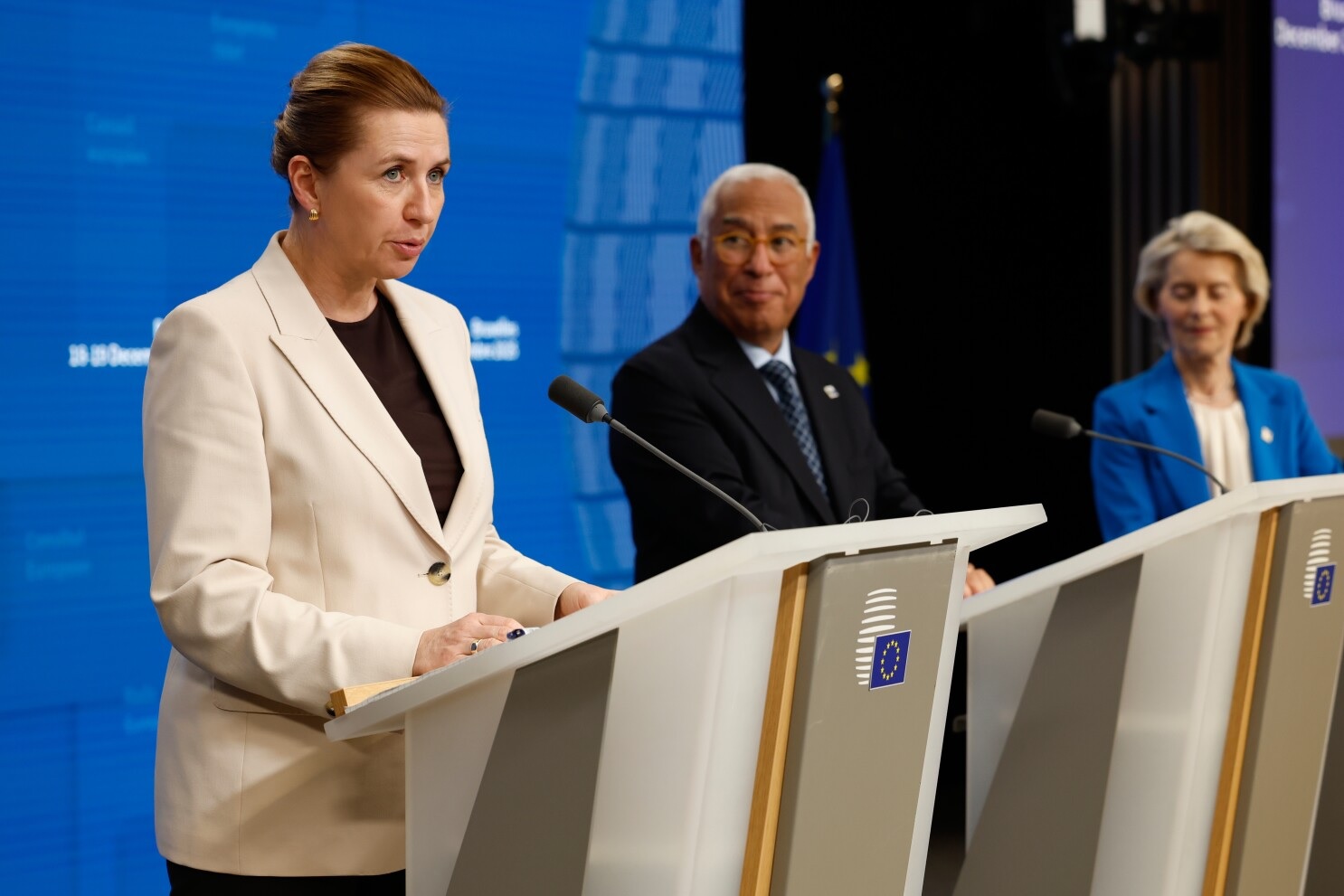
“We have a deal. Decision to provide 90 billion euros of support to Ukraine for 2026–27 approved,” European Council President Antonio Costa said in a post on X. “We committed, we delivered.”
Budget-Backed Support
Under the deal, the EU will raise the funds as a loan backed by the bloc’s common budget, allowing the financial risk to be shared among member states. The support is aimed at helping Kyiv cover essential state expenditures, including public sector wages, pensions and social services, as war-related spending continues to strain Ukraine’s finances.
EU officials estimate that Ukraine will need around €135 billion in additional financing over the next two years to remain solvent, with a significant cash shortfall expected to begin as early as April. While the €90-billion package does not fully close the gap, Brussels believes it will provide critical stability and reassure international partners.
German Chancellor Friedrich Merz, who had pushed for a more ambitious funding mechanism, said the final agreement nevertheless “sends a clear signal” to Russian President Vladimir Putin that Europe’s support for Ukraine remains firm.
Frozen Russian Assets Debate
The summit was dominated by debate over whether to tap roughly €200 billion in Russian central bank assets frozen within the EU since Moscow’s full-scale invasion of Ukraine. Supporters of the idea argued that using the assets to back a loan for Kyiv would be both symbolically powerful and financially efficient.
The proposal ultimately stalled over concerns about legal risks and liability sharing. Belgium, where the vast majority of the frozen assets are held, demanded firm guarantees that any financial or legal fallout would be shared across the EU. Several member states were unwilling to provide such assurances, fearing long-term consequences for the bloc’s financial credibility.
As talks stretched into a second day, leaders opted for the budget-backed loan, leaving the question of using Russian assets unresolved.
Ukraine’s Position
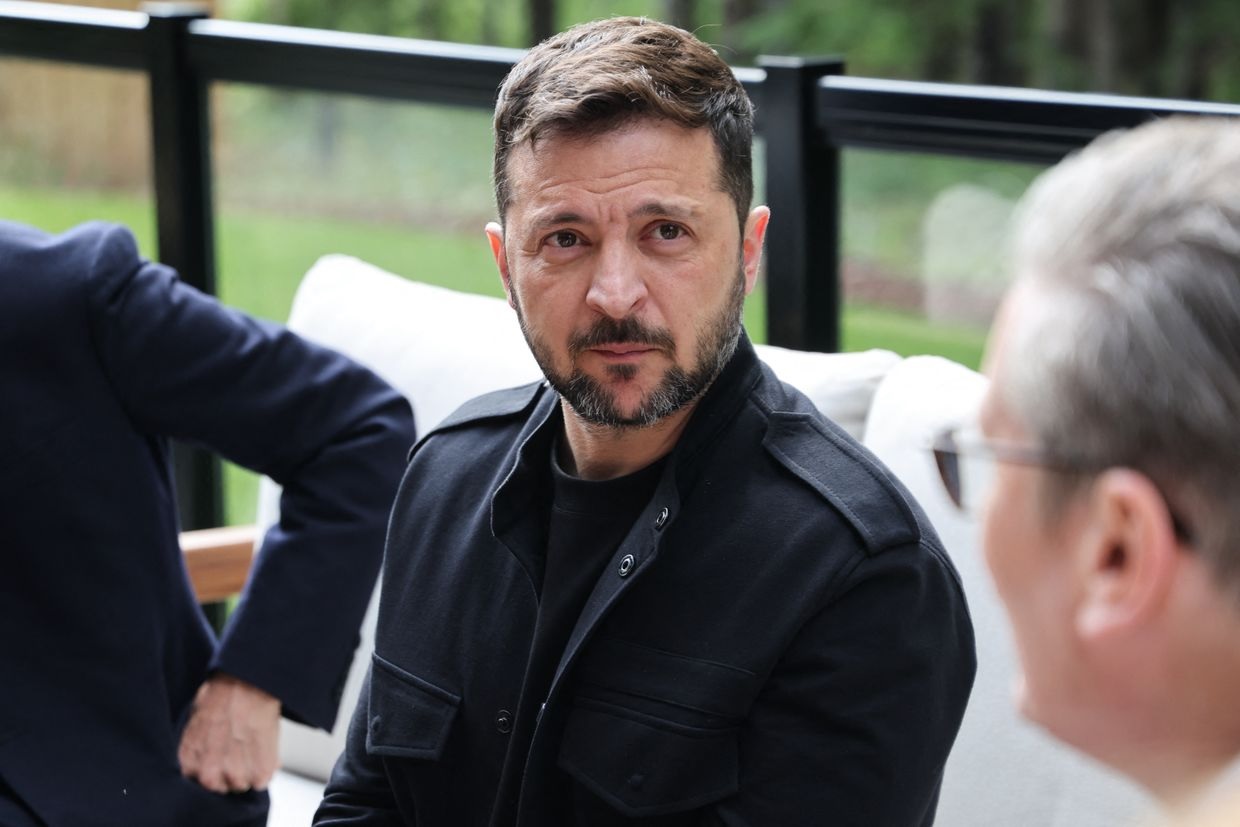
Ukrainian President Volodymyr Zelensky urged EU leaders to use Russian assets, framing the move as both just and necessary.
“Russian assets must be used to defend against Russian aggression and rebuild what was destroyed by Russian attacks. It’s moral. It’s fair. It’s legal,” Zelensky said.
While Kyiv may be disappointed by the EU’s reluctance to take that step, securing financing through another mechanism is still seen as a crucial relief. Zelensky had warned that Ukraine needed a clear decision by the end of the year to avoid destabilising uncertainty and to strengthen its position in any future negotiations.
US Talks and Diplomatic Pressure
The EU decision comes against the backdrop of renewed diplomatic efforts by Washington. Zelensky confirmed that Ukrainian and US delegations would hold talks on Friday and Saturday in the United States.
He said Kyiv was seeking clearer details on the security guarantees the US could offer to deter future Russian aggression.
“What will the United States of America do if Russia comes again with aggression?” Zelensky asked. “What will these security guarantees do? How will they work?”
US President Donald Trump has continued to publicly urge Ukraine to move quickly toward a negotiated settlement, reiterating his hope that Kyiv will “move quickly” to agree on a deal to end the war.
An Interim Solution
EU officials stressed that the €90-billion loan is an interim measure, not a permanent solution to Ukraine’s financial needs. Discussions on long-term reconstruction funding, potential future use of Russian assets, and broader post-war security arrangements are expected to continue into next year.
For now, EU leaders are presenting the agreement as evidence of unity and resolve, providing Ukraine with immediate financial relief even as deeper divisions over how best to fund its survival and recovery remain unresolved.
✍️ This article is written by the team of The Defense News.