Dynetics Secures $264.6 Million U.S. Army Contract to Advance IFPC Air Defense System
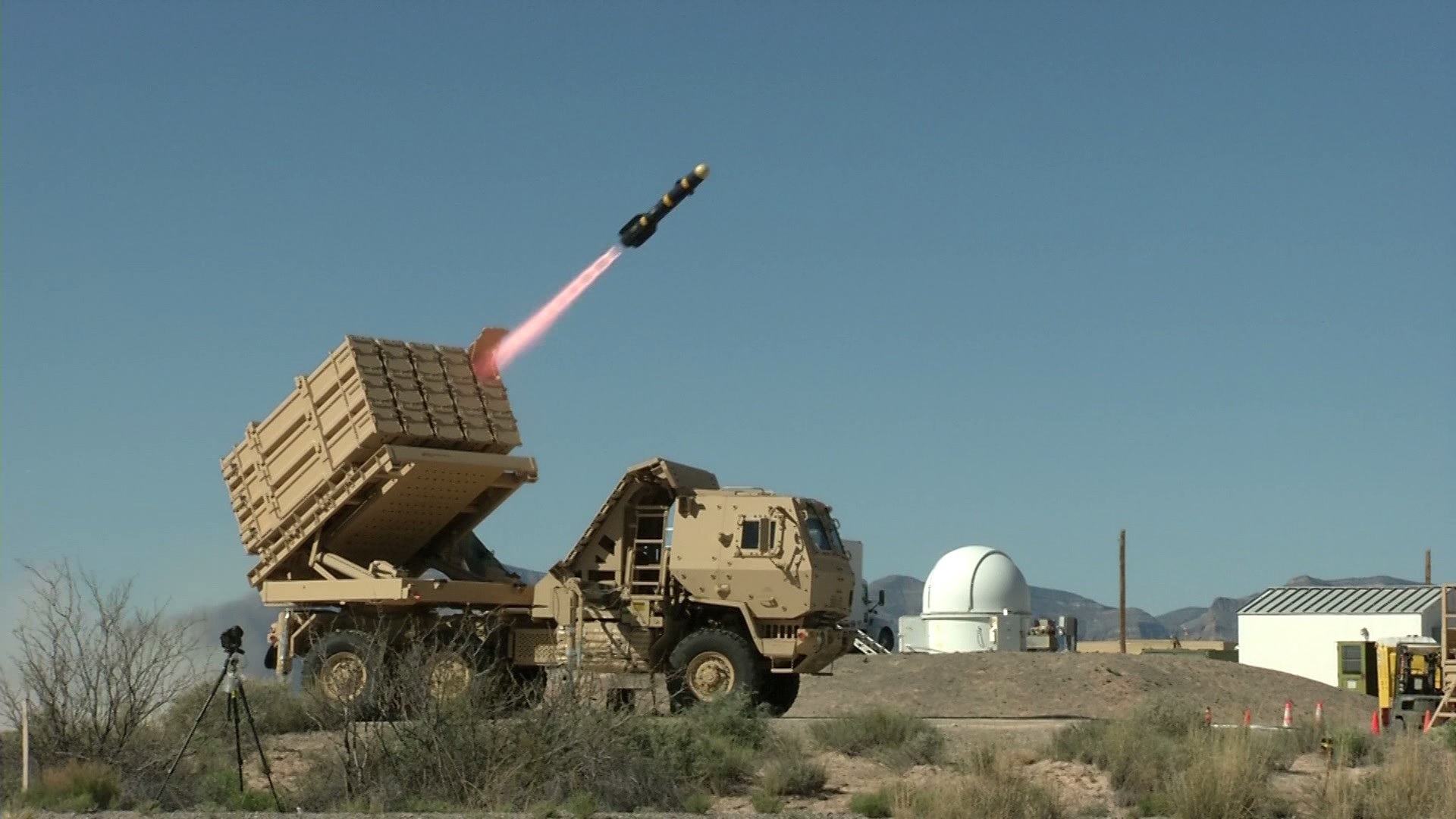
In a significant move to bolster the United States’ layered air defense strategy, the Department of Defense (DoD) awarded a $264.6 million contract to Dynetics Inc. on July 30, 2025. The Huntsville, Alabama-based defense firm will lead the advancement of the U.S. Army’s Indirect Fire Protection Capability (IFPC) program—an air defense system designed to counter a wide range of aerial threats, from drones and cruise missiles to rocket and mortar attacks.
The contract is a fixed-price and cost-plus-fixed-fee agreement, backed by the U.S. Army’s Fiscal Year 2025 research, development, testing, and evaluation (RDT&E) budget. More than $127 million was obligated at the time of signing. The project work will be conducted across three key locations: Huntsville (Alabama), Dallastown (Pennsylvania), and Chanhassen (Minnesota). Completion is targeted for July 30, 2026, with overall management under the Army Contracting Command at Redstone Arsenal, Alabama.
A Multi-Layered Shield Against Emerging Threats
The IFPC is central to the Army's efforts to protect semi-fixed and fixed sites from indirect aerial attacks. These include RAM threats (rockets, artillery, and mortars), unmanned aerial systems (UAS), and cruise missiles—weapon types increasingly used in asymmetric or saturation-style assaults. Designed to fill the gap between short-range air defense systems like M-SHORAD and long-range solutions such as the Patriot missile system, the IFPC adds an essential middle tier to the U.S. Army’s air and missile defense architecture.
Its core strength lies in its modularity and adaptability. The system is being developed to function within the Army’s Integrated Battle Command System (IBCS), allowing for real-time integration between sensors, launchers, and command-and-control platforms. It supports multiple interceptors, including Israel’s combat-proven Tamir missile from the Iron Dome and a customized version of the AIM-9X missile.
Dynetics' launcher for the IFPC Increment 2 program has been engineered with interoperability in mind, ensuring seamless integration with allied forces and compatibility with evolving missile defense technologies.
Building on a $4.1 Billion Strategic Framework
This latest contract builds on the momentum of a major agreement signed in November 2024, when the Army entered into a $4.1 billion indefinite-delivery/indefinite-quantity (IDIQ) framework with Dynetics. That earlier agreement included funding for low-rate and full-rate production, lifecycle support, and agile acquisition. As part of it, a $204 million undefinitized contract action had already been issued, with $99 million obligated at the time.
This flexible contracting model supports rapid acquisition and timely fielding of the IFPC system, ensuring it can evolve in step with emerging threats. By leveraging the IBCS network for integrated sensor-shooter coordination, the IFPC will significantly enhance threat detection and engagement across complex operational environments.
A Strategic Leap Toward Future Air Dominance
The importance of IFPC is underscored by the growing global demand for mobile, modular air defense systems capable of countering UAS and RAM threats. Whether deployed to defend forward-operating bases, high-value assets, or allied infrastructure, the IFPC provides a cost-effective, adaptable solution that complements existing systems.
With continued investment through this new contract, the U.S. Army is not only reinforcing its future battlefield dominance but also promoting greater interoperability with international partners. The system's open architecture and compatibility with multinational command networks make it an ideal component for joint operations.
As aerial threats grow more sophisticated and accessible to adversaries, the IFPC stands out as a timely and crucial capability—ensuring the U.S. and its allies are equipped to meet tomorrow’s challenges with agility and precision.
✍️ This article is written by the team of The Defense News.