Dynamatic Technologies Hands Over Vertical Launch Unit to BEL for India’s Naval VL-SRSAM System
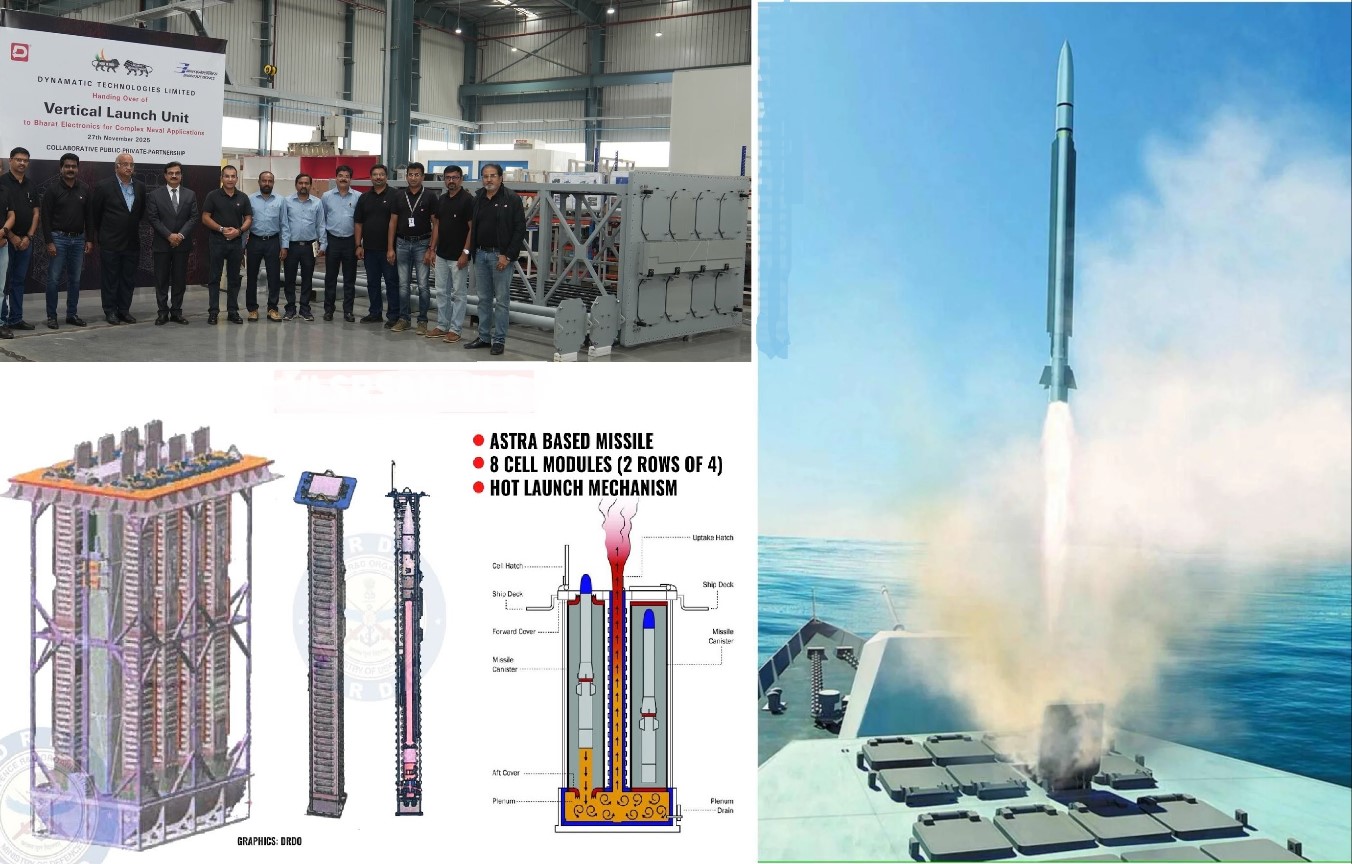
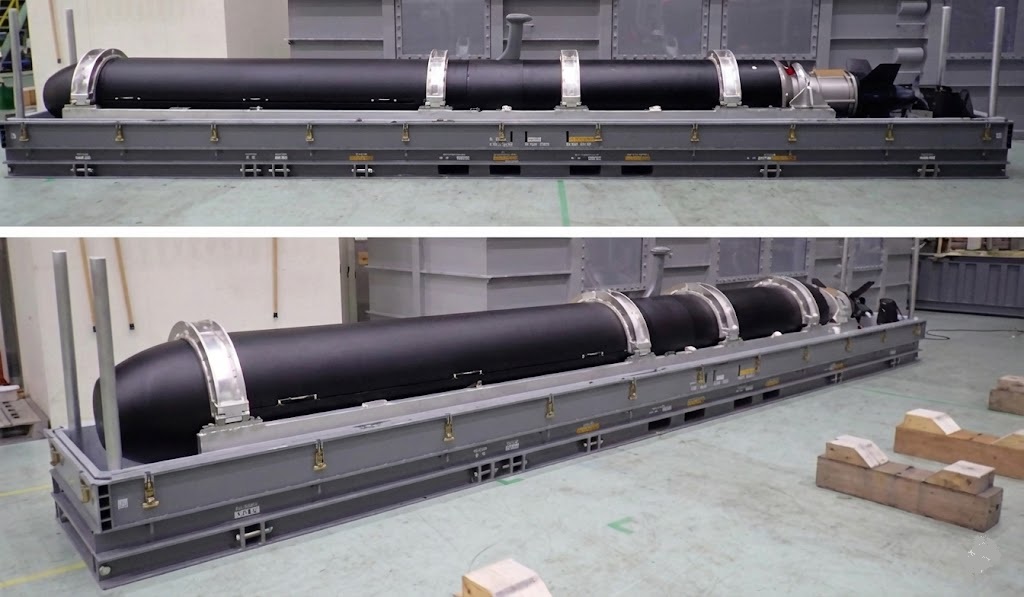
New Delhi / Bengaluru, 27 November 2025 — In a significant boost to India’s indigenous defence manufacturing and naval strike-capabilities, Dynamatic Technologies Ltd (DTL) has officially handed over the Vertical Launch Unit (VLU) to Bharat Electronics Ltd (BEL) on 27 November 2025. The hand-over marks a key milestone in the public–private partnership driving the Indian Navy’s next-generation air-defence systems.
BEL, responsible for major sub-systems, electronics, canisters, and launcher-related work, will now integrate the VLU into the Navy’s Vertical Launch – Short Range Surface-to-Air Missile (VL-SRSAM) system. Dynamatic Technologies played a crucial role in building the launcher structures, the mechanical foundation that enables vertical missile launches from warships.
The VL-SRSAM, developed by DRDO, is expected to replace older short-range defence systems aboard frontline Indian Navy ships. It is designed to counter sea-skimming missiles, fighter aircraft, UAVs, helicopters, and other close-range aerial threats.
VL-SRSAM Specifications (DRDO)
-
Weight: ~170 kg
-
Length: ~3.93 m
-
Diameter: 178 mm
-
Range: Up to ~80 km (upgraded from earlier ~40 km)
-
Propulsion: Solid-fuel rocket motor, smokeless exhaust
-
Guidance: Mid-course inertial navigation + Active radar seeker terminal homing
-
Control: Thrust vector control + cruciform wings
-
Launch Type: Cold-launch vertical launch system (VLS)
-
Threat Envelope: 360-degree coverage against low-flying, high-speed, sea-skimming threats
During a major test on 26 March 2025 at the Integrated Test Range, Chandipur, the VL-SRSAM successfully intercepted a high-speed, low-altitude target, validating its agility, reaction speed, and precision. The test also confirmed full functionality of its indigenous RF seeker, multi-function radar, and weapon control system.
The Indian Navy plans to induct the VL-SRSAM across destroyers, frigates, corvettes, and potentially aircraft carriers, replacing ageing systems. Full integration is targeted around 2030, marking a major leap for India’s self-reliance in naval air defence.
This VLU hand-over signifies a strengthening of India’s defence industrial ecosystem, where PSUs like BEL and private firms like DTL collaborate on complex, high-precision naval systems. It also highlights the Navy’s urgent need for modern anti-missile shields, especially as maritime environments grow more contested globally.
With the VLU now transferred to BEL, the project enters its most critical phase — system integration and shipboard deployment, bringing India one step closer to fielding a fully indigenous ship-based missile shield.
About the Author
Aditya Kumar:
Defense & Geopolitics Analyst
Aditya Kumar tracks military developments in South Asia, specializing in Indian missile technology and naval strategy.