Dhruva Space to Launch Australian AI and Imaging Payloads on Its Indigenous P-30 Satellite in 2025
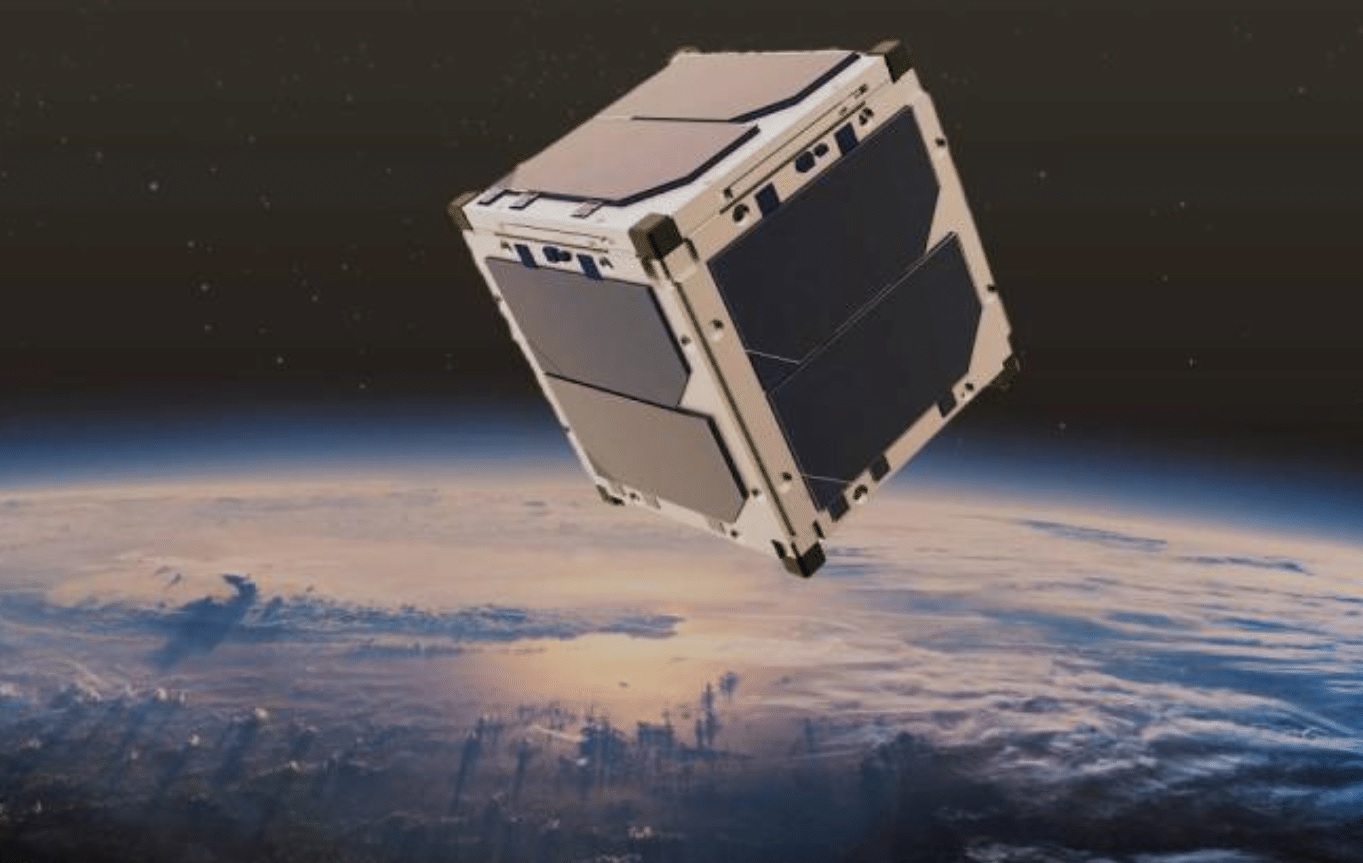
In a major step forward for India’s private space sector, Hyderabad-based startup Dhruva Space has announced its first full-scale commercial satellite mission, called LEAP-1, scheduled for launch in the third quarter of 2025. This mission will not only mark the operational debut of Dhruva's indigenously developed P-30 satellite platform, but it will also carry two advanced payloads from Australian companies, highlighting growing international trust in Indian space technology.
The LEAP-1 satellite will be launched aboard a SpaceX Falcon 9 rocket, taking Dhruva Space’s technology into the global commercial spotlight. Unlike earlier missions which focused on in-orbit demonstrations, LEAP-1 represents a shift to actual service delivery, showing that Dhruva Space is ready to offer end-to-end solutions to international clients.
Two Australian Payloads, One Indian Platform
The satellite will host payloads from Akula Tech and Esper Satellites, two Australian space-tech companies:
-
Akula Tech's Nexus-01 is an AI-powered data processing module. It’s designed to analyze data directly in orbit, using machine learning for applications like real-time fire detection, spectral analysis, and even defense-related monitoring. This onboard retraining capability helps avoid delays in data transmission and allows the satellite to adapt its operations mid-mission.
-
Esper Satellites’ OTR-2 payload is a high-resolution hyperspectral imager, designed to collect rich spectral data from Earth. Its uses include agriculture analysis, mineral exploration, climate monitoring, and disaster assessment. Data from OTR-2 will be available through Esper’s EarthTones API, enabling clients to access processed Earth observation data in real-time.
What’s Special About the P-30 Platform?
Dhruva’s P-30 satellite bus, which forms the base of LEAP-1, was successfully space-qualified during ISRO’s PSLV-C58/POEM-3 mission in January 2024. That test proved its reliability in orbit, making it ready for commercial use.
Some key features of the P-30 satellite include:
-
Designed for 10–30 kg class nano-satellites.
-
Suitable for Low Earth Orbit (LEO) missions.
-
Supports multiple payloads on a single platform.
-
Equipped with electric propulsion, deployable and body-mounted solar panels, and 3-axis attitude control.
-
Mission life of up to five years, with modular design allowing rapid payload integration.
This flexibility makes it attractive for clients in commercial, scientific, and defence sectors.
The Bigger Picture: LEAP Program and Tech Backbone
LEAP-1 is part of Dhruva’s broader LEAP program (Launching Expeditions for Aspiring Payloads)—a hosted payload initiative that provides easier access to space for emerging tech firms.
Backing this is Dhruva’s Ground Station-as-a-Service (GSaaS) and their Integrated Space Operations and Command Suite (ISOCS). Together, these allow clients to control payloads, manage satellites, and access data in real time, without needing their own infrastructure. This streamlines space missions for private players, especially startups and research institutions.
India-Australia-US Collaboration in Orbit
The LEAP-1 mission showcases a growing Indo-Australian space partnership, with indirect support from U.S. collaborators. As more countries look for cost-effective and reliable space services, India's private space industry is becoming a key player in the global supply chain.
With LEAP-1, Dhruva Space is not just launching a satellite—it’s launching a signal that India is ready to lead in commercial space services, using home-grown innovation to meet global needs. This mission sets the stage for many more international collaborations and next-generation satellite deployments in the years ahead.
✍️ This article is written by the team of The Defense News.