Denmark Secures U.S. Approval for $318.4 Million Purchase of AIM-9X Block II Missiles
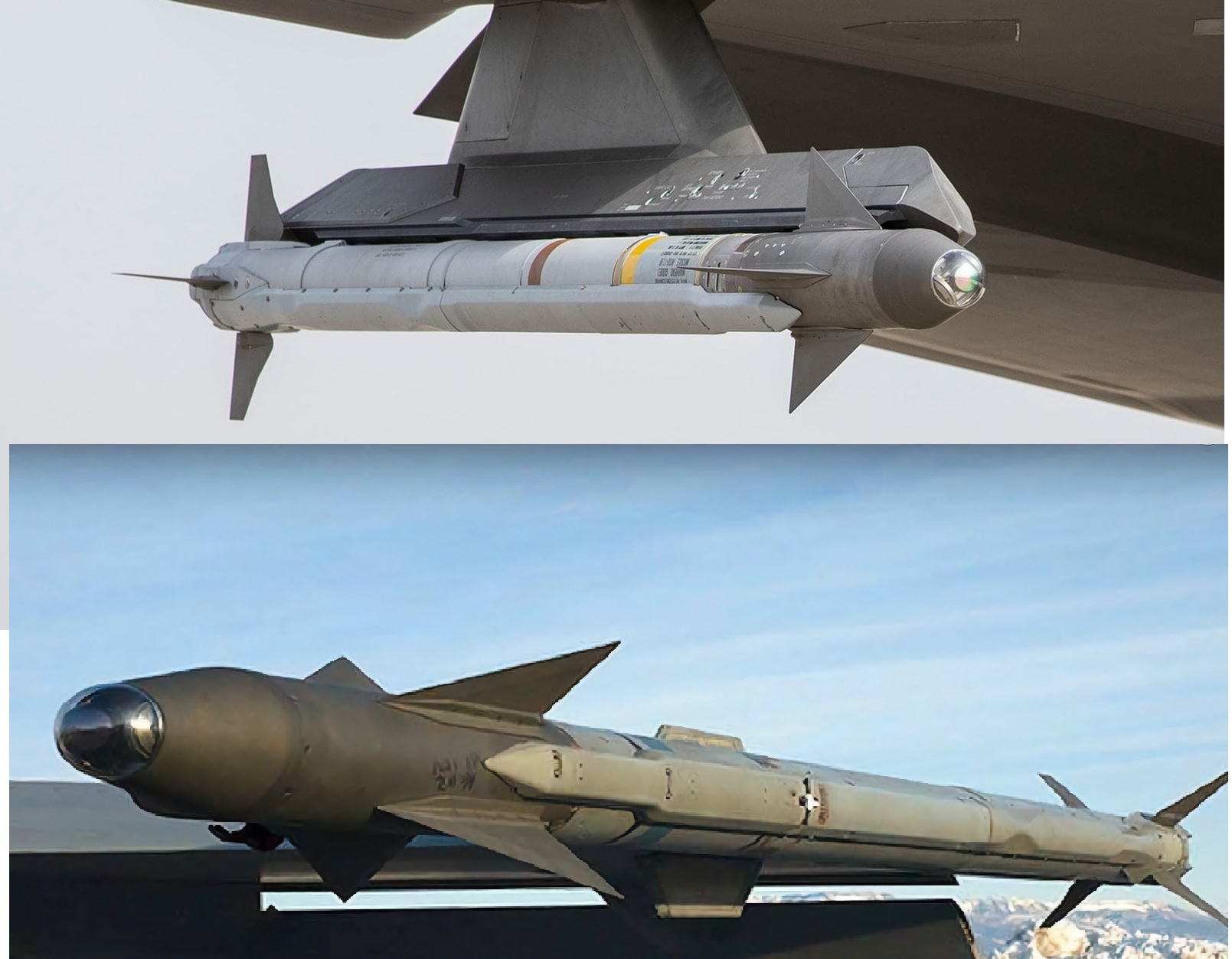
Denmark has moved a step closer to modernizing its short-range air-to-air weapon inventory after receiving approval from the United States for a potential $318.4 million Foreign Military Sale (FMS) of AIM-9X Block II Sidewinder missiles. The package includes up to 340 missiles and 34 tactical guidance units, along with an extensive support and training framework that will help the Royal Danish Air Force (RDAF) integrate the missile across its fighter fleet.
The approval, issued by the U.S. Defense Security Cooperation Agency (DSCA), highlights the growing emphasis among European F-16 and F-35 operators to shift from older AIM-9L/M variants to the more capable Block II family. Denmark’s request places it among several NATO air forces standardizing on the AIM-9X to ensure greater interoperability and enhanced air combat readiness.
Strengthening Denmark’s Air Defense Network
The proposed purchase is viewed as a key component of Denmark’s long-term airpower modernization plan. With the country transitioning to the F-35A Lightning II, and maintaining a portion of its F-16AM/BM Fighting Falcon fleet during the adjustment period, the AIM-9X Block II will serve as the RDAF’s primary short-range infrared missile.
Unlike legacy Sidewinder versions, the Block II introduces an updated seeker, digital electronics, and advanced software enabling engagement of fast-maneuvering threats with greater accuracy and flexibility. For Denmark, the missile enhances both defensive counter-air missions and close-range engagement capabilities in support of NATO operations.
What the Sale Includes
The full FMS package goes far beyond the missile hardware. It covers a wide set of elements required to bring a high-end weapon system into service:
-
340 AIM-9X Block II missiles
-
34 tactical guidance units
-
Training aids and simulator components
-
Missile software, test equipment, and mission support tools
-
Operational and technical training programs
-
Spare parts, repair kits, and support equipment
-
Technical publications and documentation
-
Engineering and logistics support from U.S. military and contractors
This structure ensures Denmark receives not only the missiles but also the full ecosystem necessary for storage, handling, maintenance, and integration with RDAF aircraft and training pipelines.
AIM-9X Block II: Capabilities and Features
The AIM-9X Sidewinder is the latest evolution of a missile family that has been in service since the early 1950s. The Block II upgrade offers a broad array of improvements designed for modern air combat:
Key Enhancements
-
Imaging Infrared (IIR) Seeker:
A 128×128 focal plane array for high-resolution heat tracking. -
High off-boresight capability:
Enables pilots to engage targets at large angles using helmet-mounted cueing systems. -
Thrust vectoring control:
Allows extreme maneuverability in dogfights. -
Datalink and LOAL (Lock-On-After-Launch):
Lets the missile receive mid-course updates, enabling engagements:-
Beyond visual range
-
Over-the-shoulder (rear hemisphere)
-
Using off-board target tracking
-
-
Updated processors and fuze design:
Improved safety, better resistance to countermeasures, and enhanced accuracy.
Technical Dimensions
-
Length: ~3.02 m
-
Diameter: 12.7 cm
-
Weight: 84–86 kg
-
Warhead: 9.4 kg WDU-17/B blast-fragmentation
Although exact range figures remain classified, the missile is designed to operate across short-to-medium engagement distances, depending on launch conditions.
European Air Forces Moving Toward AIM-9X
Denmark’s planned acquisition reflects a broader trend among NATO air forces upgrading to newer generation IR missiles as part of F-35 integration. Countries such as Norway, Belgium, Italy, the Netherlands, Romania, and the United States have already adopted or ordered AIM-9X systems.
Its interoperability with multiple U.S.-built fighters — including F-35, F-16, F-15, and F/A-18 — makes it a natural choice for countries operating mixed fleets or participating in multinational exercises.
For Denmark, adopting AIM-9X Block II ensures:
-
Alignment with NATO standard weapons
-
Reduced need to maintain older missile variants
-
Simplified logistics and shared training doctrines
-
Improved performance against modern aerial threats
Strategic Impact for Denmark
The RDAF has been expanding its operational role within NATO, particularly in air policing missions over the Baltic region and joint operations in Northern Europe. The new missile acquisition will improve Denmark’s capability to respond to close-range aerial threats and enhance its readiness for allied operations.
As Denmark inducts more F-35A fighters, equipped with advanced sensor fusion and helmet-mounted displays, the AIM-9X Block II will serve as a natural pairing, offering high-end performance in close-range engagements.
About the Author
Aditya Kumar:
Defense & Geopolitics Analyst
Aditya Kumar tracks military developments in South Asia, specializing in Indian missile technology and naval strategy.