Defence Ministry Set to Approve Rs 74,000 Cr For Minesweepers and QRSAM on July 1

In a strategic move to enhance India’s defence preparedness, the Defence Acquisition Council (DAC), chaired by Defence Minister Rajnath Singh, will meet on July 1, 2025, to review two high-value proposals that aim to boost the country’s maritime and air defence capabilities. These proposals, collectively worth around ₹74,000 crore, are focused on indigenous solutions to critical operational needs of the Indian Navy and Army.
Reviving Naval Mine Countermeasure Capabilities
One of the key proposals is the approval for the construction of 12 new Mine Countermeasure Vessels (MCMVs) for the Indian Navy. With an estimated budget of ₹44,000 crore, the project will revive a long-missing capability—since the retirement of the Karwar-class and Pondicherry-class minesweepers, the Navy has been without operational minesweeping vessels.
These new MCMVs are not ordinary ships. Designed to operate in high-risk mine-infested waters, they will come equipped with state-of-the-art mine detection and neutralization technologies, including:
-
High-definition sonar systems for underwater detection
-
Acoustic and magnetic sweeps to counter sophisticated mine types
-
Unmanned Underwater Vehicles (UUVs) for safe remote mine disposal
-
Non-magnetic hulls to avoid triggering magnetic mines
-
Modular mine-clearing systems, allowing adaptability for varied missions
Built under the 'Atmanirbhar Bharat' initiative, these vessels will be constructed by Indian shipyards through competitive bidding. While it is expected that the first vessel may take up to 7–8 years from contract signing to delivery, the project will eventually fill a critical operational void, especially as threats from underwater mines laid by Chinese and Pakistani submarines continue to rise in the Indian Ocean Region.
QRSAM System to Strengthen Army’s Last-Layer Air Defence
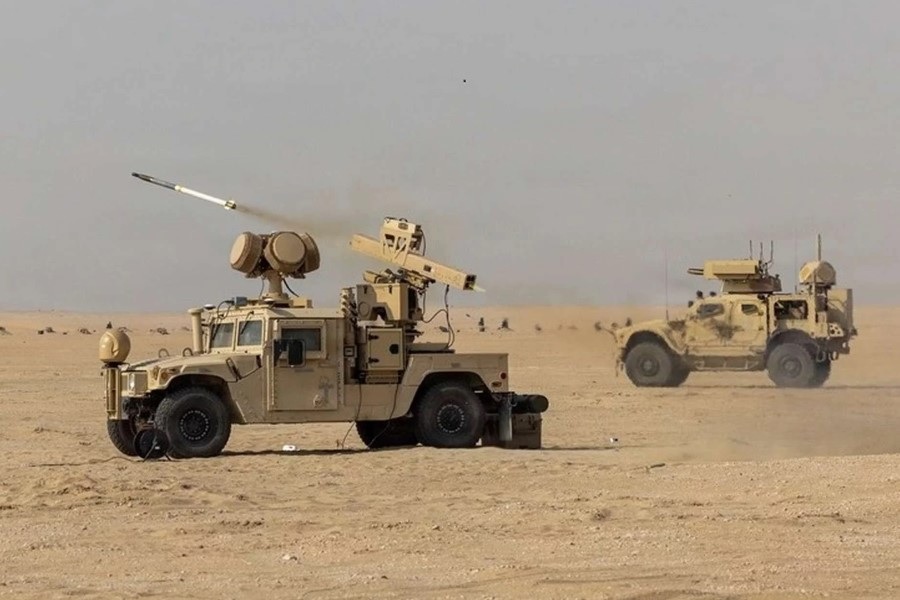
The DAC will also evaluate a ₹30,000 crore proposal to induct three regiments of the Quick Reaction Surface-to-Air Missile (QRSAM) system into the Indian Army. Developed indigenously by the Defence Research and Development Organisation (DRDO) in collaboration with Bharat Electronics Limited (BEL) and Bharat Dynamics Limited (BDL), the QRSAM system is designed for rapid deployment and agile response to aerial threats.
Technically, each QRSAM system consists of:
-
Missiles with a range of 3 to 30 km
-
360-degree coverage using Active Electronically Scanned Array (AESA) radar
-
Command and control units that link seamlessly with the Army's Air Defence Network
-
In-built jammer resistance, allowing operation in complex electronic warfare environments
-
High-mobility launchers that can quickly relocate and fire on the move
The QRSAM is intended to defend mobile formations and critical infrastructure from enemy aircraft, helicopters, cruise missiles, and drones. The system has undergone several successful test firings in varied conditions, demonstrating its readiness for frontline deployment.
Strategic Implications
These proposals come at a time when India faces evolving security threats from both its maritime and land borders. The revival of the minesweeper project will strengthen coastal security across the country's vast 7,500-kilometre-long coastline and safeguard major ports and shipping lanes—vital to India’s trade and energy security. Meanwhile, the QRSAM induction will significantly improve the Army’s low-level air defence shield, offering quick-response protection to forces and installations near conflict zones.
The DAC’s expected approvals on July 1 will mark a firm step forward in self-reliance and force modernization, reinforcing India’s defence architecture both at sea and in the air.
About the Author
Aditya Kumar:
Defense & Geopolitics Analyst
Aditya Kumar tracks military developments in South Asia, specializing in Indian missile technology and naval strategy.