Dassault Criticises Germany’s Expanded F-35 Purchase Amid Growing Tensions over Europe’s Fighter Future

Paris / Berlin : France’s Dassault Aviation has openly criticised Germany’s decision to expand its purchase of U.S.-made F-35 fighter jets, arguing that the move undermines Europe’s long-term defence ambitions even as Berlin continues to voice support for joint European programmes.
The comments reflect mounting frustration in Paris over what French defence officials and industry leaders describe as a contradiction between Europe’s strategic autonomy rhetoric and national procurement choices that increasingly favour American combat aircraft.
Germany has already committed to buying 35 F-35A Lightning II fighters to replace part of its ageing Tornado fleet and to preserve its role in NATO’s nuclear-sharing mission. In recent months, German defence planning has pointed towards the acquisition of additional F-35s, a step that could raise the overall fleet to around 50 aircraft, driven by concerns over capability gaps and delivery timelines.
From the French perspective, the issue is not the F-35’s military performance but its strategic implications. Dassault and senior figures in the French aerospace sector argue that every new U.S. fighter order weakens the political and industrial foundations of the Future Combat Air System (FCAS), the Franco-German-Spanish initiative intended to deliver a next-generation combat aircraft and associated systems by the 2040s.
FCAS has already been slowed by repeated disputes over industrial leadership, workshare and intellectual property, particularly between Dassault and Airbus. French officials worry that Germany’s expanding reliance on the F-35 sends a signal that Berlin views the European fighter programme as secondary, casting doubt on its long-term commitment.
German officials reject that interpretation, insisting that the F-35 purchase is a pragmatic and temporary solution. The Luftwaffe faces tight deadlines to retire Tornado aircraft, and the F-35 remains the only platform certified to carry U.S. B61 nuclear weapons under existing NATO arrangements. Berlin maintains that the F-35 is meant to complement, not replace, FCAS, which will not be operational for many years.
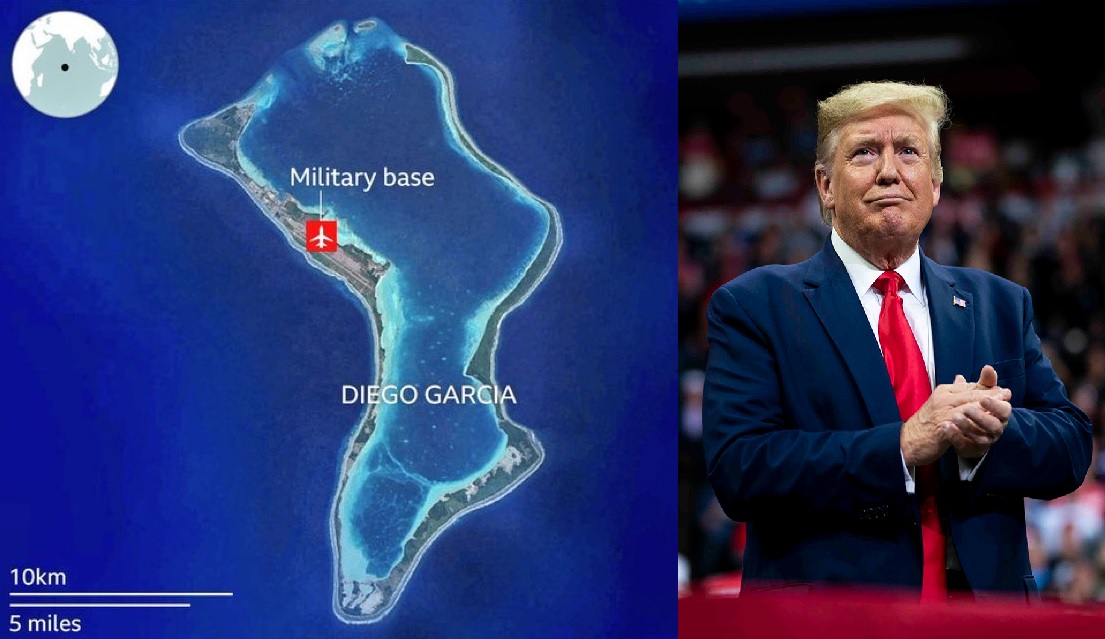
The debate has been sharpened by renewed geopolitical uncertainty. Recent remarks by U.S. President Donald Trump, including comments touching on Greenland, have been cited by French industry figures as examples of how shifts in U.S. politics can quickly influence transatlantic defence relationships. According to voices close to Dassault, such episodes reinforce the argument for reducing European dependence on foreign defence suppliers.
For Europe’s aerospace industry, the stakes extend far beyond a single procurement decision. FCAS is viewed as essential to preserving advanced design skills, high-end manufacturing jobs and technological sovereignty across the continent. Any dilution of partner commitment risks further delays, rising costs or even a fundamental restructuring of the programme.
Germany’s decision highlights a broader dilemma confronting European governments: balancing immediate operational readiness and alliance obligations with the longer-term goal of building independent European defence capabilities. As defence spending continues to rise across the continent, the coming years will determine whether flagship projects like FCAS can withstand diverging national priorities.
For Dassault, Germany’s expanding F-35 fleet is more than a tactical choice. It is a test of whether Europe is prepared to translate its ambition for strategic autonomy into concrete and sustained industrial action.
About the Author
Aditya Kumar:
Defense & Geopolitics Analyst
Aditya Kumar tracks military developments in South Asia, specializing in Indian missile technology and naval strategy.