DRDO Successfully Tests India’s First Photonic Radar, Set for Advanced Trials
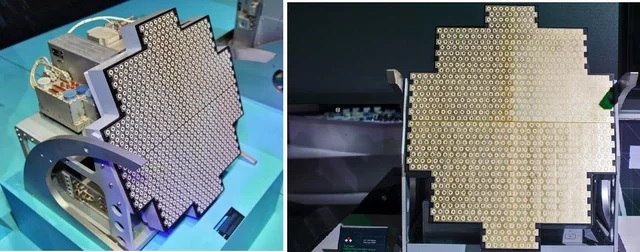
New Delhi, August 2025 – The Defence Research and Development Organisation (DRDO) has achieved a major technological breakthrough by successfully completing the site acceptance test of the country’s first-ever photonic radar system. Developed by DRDO’s Electronics and Radar Development Establishment (LRDE), this cutting-edge radar uses light-based components for signal processing, offering ultra-high resolution, the ability to detect stealth targets, and strong immunity against jamming.
A Leap in Radar Technology
Unlike conventional radars that rely on electronic circuits for generating and processing radio frequencies, the photonic radar employs laser and optical techniques. This allows it to work at much higher frequencies and with greater precision than traditional systems.
Key benefits of the system include:
-
Ultra-high resolution for detecting even very small targets.
-
Effective detection of stealth aircraft and drones, which are usually hard to track with current radar technology.
-
Strong resistance to jamming, making it reliable in electronic warfare environments.
-
Lightweight and compact design, allowing integration on fighter jets, drones, naval ships, and ground-based platforms.
India Joins Select Global League
With this achievement, India joins the ranks of only a handful of nations – including the United States, China, and Israel – that have developed photonic radar technology. This positions India at the forefront of next-generation radar innovation and significantly strengthens its air defense capabilities.
Role of Astra Microwave
A significant part of the radar’s hardware, especially the photonic components, has been developed and supplied by Astra Microwave, an Indian private-sector defense partner. This reflects the growing contribution of domestic industry in India’s defense ecosystem and supports the vision of self-reliance under Atmanirbhar Bharat.
From Lab to Field Trials
Following the successful site acceptance test, the radar will now undergo extensive field trials. These trials will test its performance in different environments, including:
-
Detection of stealth aircraft and cruise missiles.
-
Tracking of small, low-flying drones.
-
Operation in high electronic warfare conditions.
-
Integration with existing air defense and surveillance systems.
The trials, expected later this year, will be a decisive step in proving the radar’s effectiveness under real combat-like conditions.
Part of DRDO’s Future Vision
The development of the photonic radar is aligned with DRDO’s broader “next-generation warfare technologies” roadmap, which includes advances in directed energy weapons, quantum technologies, autonomous systems, and AI-based defense solutions. Together, these innovations aim to provide India with a decisive edge in future conflicts.
Why It Matters
-
Strengthens India’s ability to counter stealth fighters and drones.
-
Provides a game-changing edge in radar technology, where India now competes with the world’s most advanced nations.
-
Enhances self-reliance in defense production, reducing dependency on foreign systems.
-
Opens the door for export potential, as several countries are seeking reliable counter-stealth radar solutions.
With the successful test of its first photonic radar, DRDO has laid the foundation for one of the most advanced surveillance technologies in the world. Once trials are complete, the radar is expected to be integrated into India’s defense network, giving the armed forces a powerful tool to detect, track, and neutralize modern aerial threats.
This marks a significant step in India’s journey toward building a self-reliant, future-ready defense ecosystem, while demonstrating the country’s growing technological prowess on the global stage.
✍️ This article is written by the team of The Defense News.