DRDO Signs Technology Transfer Deal with NIBE Ltd for Pinaka Rocket Launcher and Command Post Systems
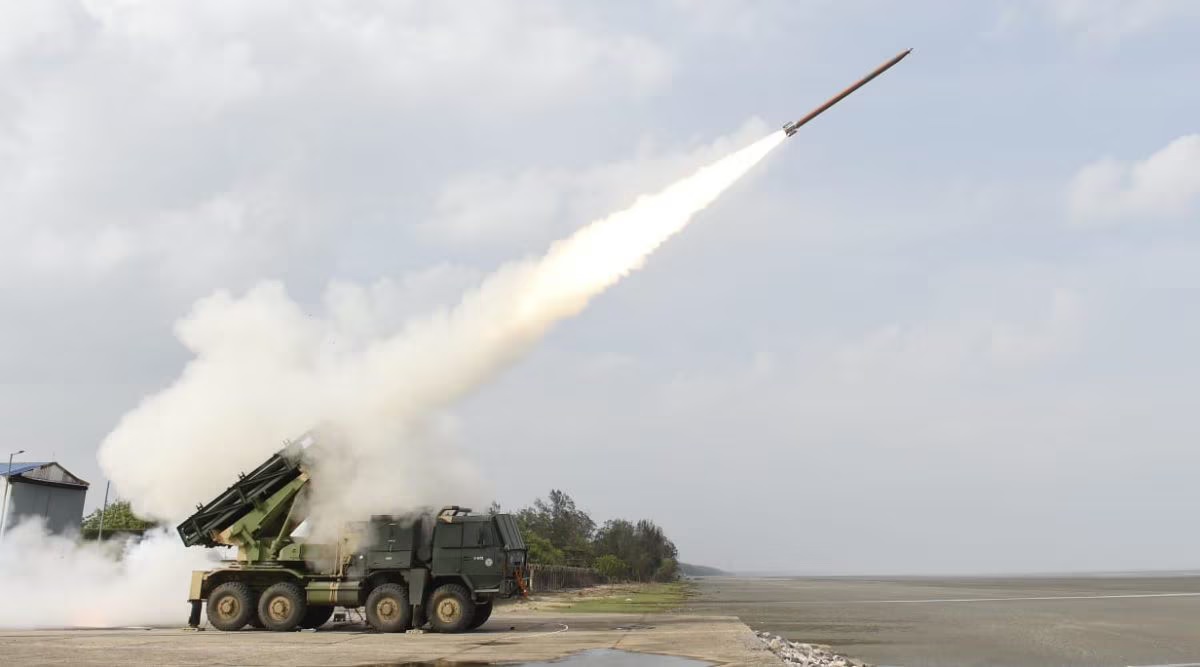
In a significant move to strengthen India’s defence manufacturing ecosystem, the Defence Research and Development Organisation (DRDO) has signed a Licensing Agreement for Transfer of Technology (LAToT) with Pune-based NIBE Limited. This agreement covers the indigenous Pinaka Multi Barrel Rocket Launcher (MBRL) system and its associated Battery Command Post (BCP), furthering the nation's efforts toward self-reliance in defence production.
The Armament Research & Development Establishment (ARDE), a key laboratory of DRDO responsible for armament systems, facilitated this technology transfer, which is expected to enhance India’s industrial capability in producing sophisticated weapon platforms.
What is the Pinaka MBRL?
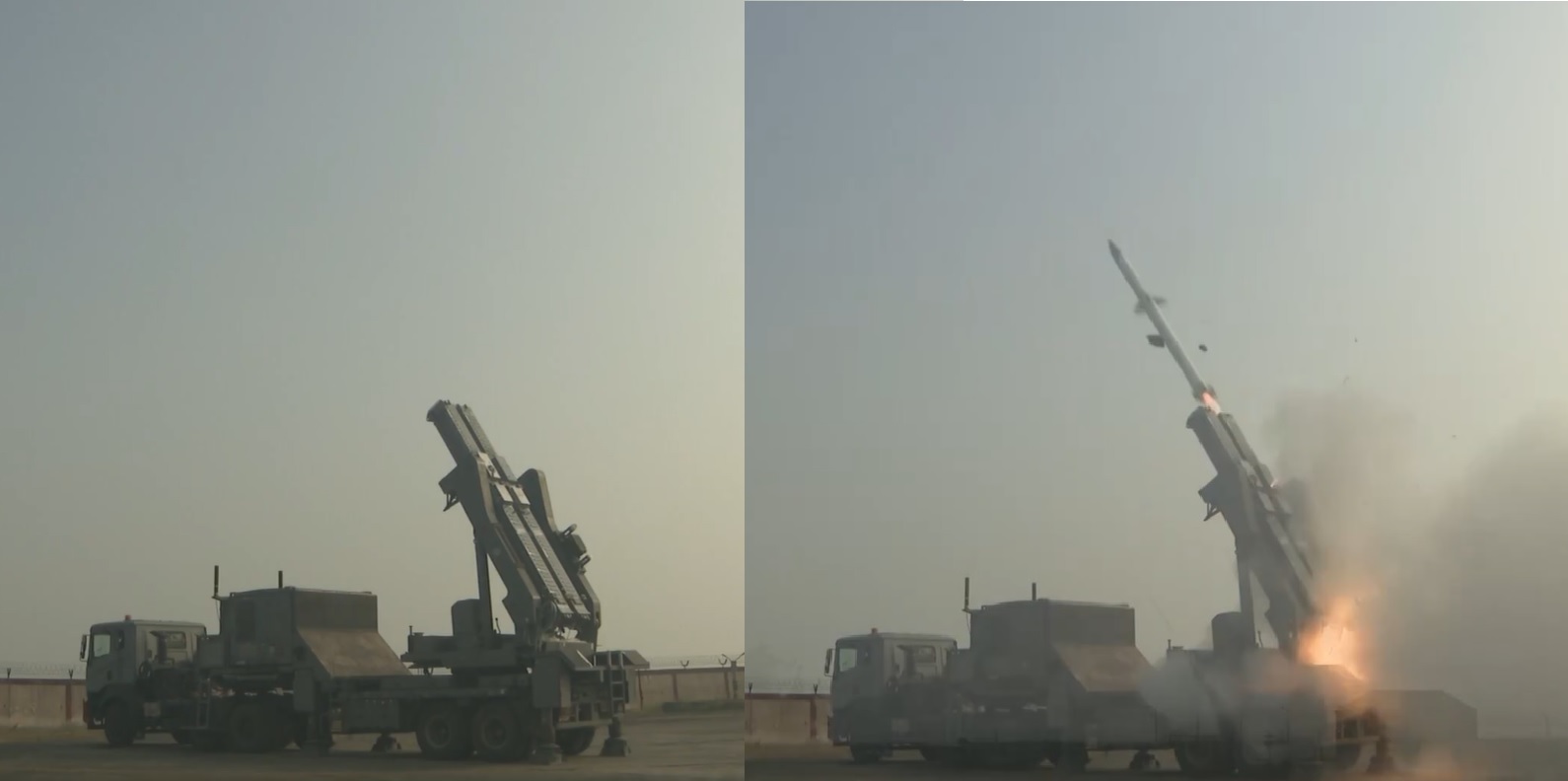
The Pinaka MBRL is a modern, high-mobility, indirect fire weapon system designed to quickly neutralise large area targets. Originally developed as a replacement for the older Russian-made GRAD systems, Pinaka has been a successful example of India’s indigenous defence research.
Each launcher vehicle can fire 12 rockets in rapid succession from a stationary, inclined position. These rockets can deliver precise, high-impact firepower over ranges of 37 to 120 kilometres, depending on the rocket variant. The system is known for its high accuracy, swift deployment, and adaptability in diverse operational conditions — from deserts to mountainous terrains.
Pinaka has already been inducted into the Indian Army and proved its effectiveness in various military exercises and operational deployments, including border tensions and live-fire demonstrations.
Battery Command Post (BCP): The Nerve Centre
Alongside the launcher, the Battery Command Post (BCP) plays a crucial role in coordinating multiple launchers in the battlefield. It acts as the control hub for targeting, communications, and fire control operations, ensuring precise coordination during missions. The BCP integrates advanced navigation, computing, and communication systems, making it a critical component in the successful operation of Pinaka batteries.
Why This Agreement Matters
This LAToT marks a vital step in strengthening India’s indigenous defence production capacity. By transferring the manufacturing technology to NIBE Limited, DRDO ensures that modern weapon systems like Pinaka MBRL and BCP are not only developed within India but also produced at scale by Indian industry partners. This reduces dependency on foreign suppliers and builds a robust domestic defence ecosystem capable of meeting the operational needs of the armed forces.
Moreover, NIBE Limited’s involvement reflects the growing participation of private Indian firms in defence manufacturing, aligning with the government’s ‘Atmanirbhar Bharat’ (self-reliant India) vision.
Defence R&D Investment: A National Priority
This development comes soon after DRDO Chairman Dr. Samir V Kamat emphasized the importance of increased investment in Research and Development (R&D) for defence at the CII Annual Business Summit 2025. He highlighted that while India currently allocates about 5% of its defence budget to R&D, plans are underway to gradually raise this to 10% in the next five years.
Dr. Kamat also pointed out that to secure victory in future conflicts, India must develop and adopt next-generation defence technologies domestically. He encouraged private sector companies to collaborate actively with DRDO and invest in innovative systems to keep pace with rapidly advancing global military capabilities.
Towards a Stronger, Safer India
This agreement is more than just a business contract; it symbolizes India's commitment to achieving technological self-reliance in defence while nurturing a vibrant defence industrial base. As India steadily climbs the ranks as a global economy and regional power, initiatives like this ensure the nation’s armed forces are equipped with cutting-edge, homegrown systems.
As DRDO and Indian industry continue to work together, India is not only strengthening its national security but also creating new opportunities for defence exports, contributing to the country's ambition of becoming a developed nation by 2047.
✍️ This article is written by the team of The Defense News.