DRDO Saves ₹2.64 Lakh Crore with Its Own Research on Hypersonic and Missile Technologies
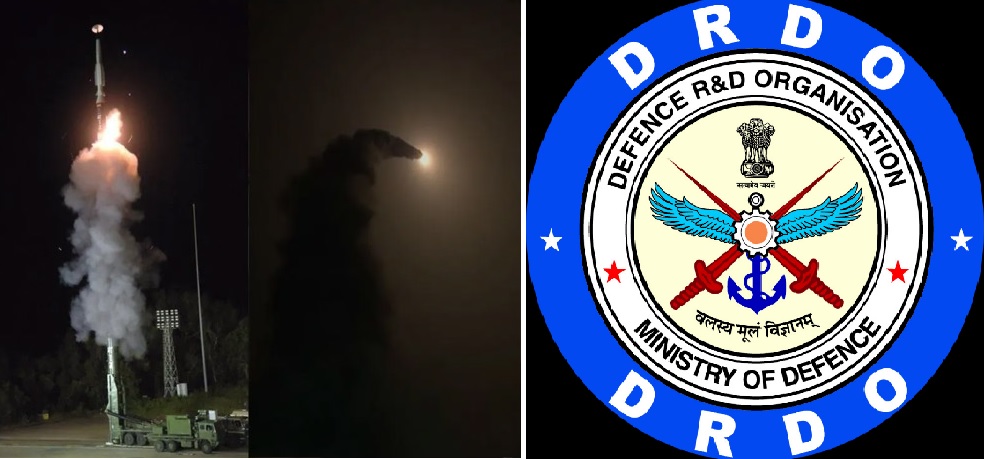
India’s push for defence self-reliance received a major endorsement this week after a parliamentary panel revealed that the Defence Research and Development Organisation (DRDO) saved ₹2,64,156 crore over the past five years through its indigenous research and development efforts. The Parliamentary Standing Committee on Defence, which tabled its latest report in Parliament on Tuesday, said these savings demonstrate the “transformative impact” of India’s domestic defence innovation ecosystem.
Major Savings and Breakthrough Technologies
According to the report, the DRDO’s expanding portfolio of homegrown systems—ranging from advanced missiles and sensors to protective systems and unmanned platforms—has significantly reduced dependence on costly foreign imports.
The committee noted that “crucial milestones in developing next-generation hypersonic technologies and missiles have been achieved” in recent years. Among these achievements:
-
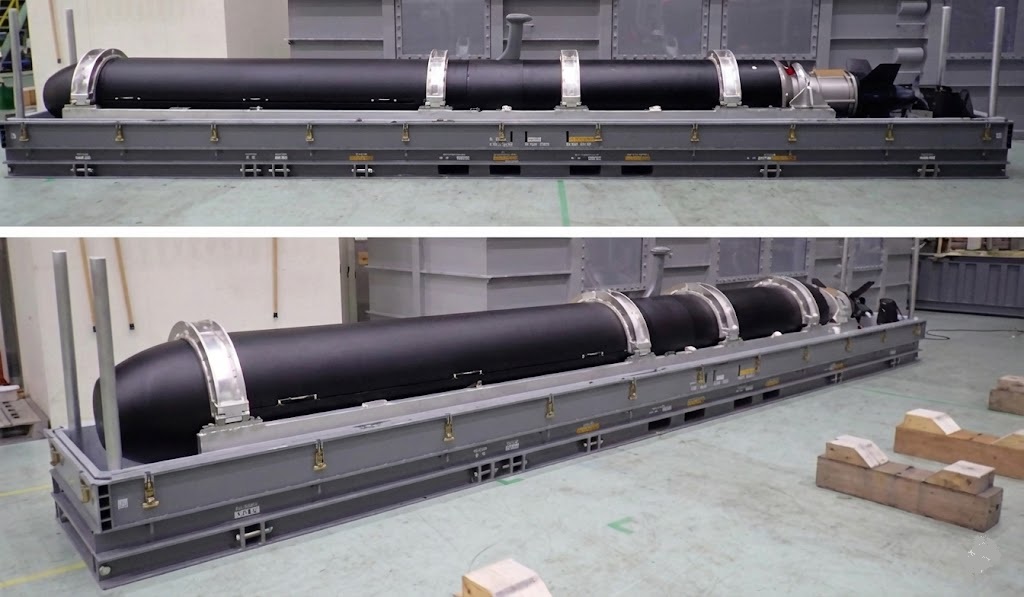
India’s first long-range hypersonic anti-ship missile was successfully flight-tested in November 2024. The test marked a major step in India’s indigenous hypersonic capabilities, an area previously dominated by only a handful of global powers.
-
In March 2024, DRDO conducted a landmark flight test of Multiple Independently Targetable Re-entry Vehicle (MIRV) technology using an Agni-class ballistic missile. MIRV capability allows a single missile to carry multiple warheads, each directed at different targets—an advanced strategic capability possessed by only a few nations.
-
The organisation also successfully developed and flight-tested the Very Short Range Air Defence System (VSHORADS), designed to counter low-altitude aerial threats such as drones, helicopters, and slow-moving aircraft.
-
The Man-Portable Anti-Tank Guided Missile (MPATGM) has completed its Provisional Staff Qualitative Requirements (PSQR) validation trials for the Indian Army, bringing India closer to fielding an indigenous alternative to imported anti-tank systems.
Government Cites Expanding Indigenous Capabilities
In its submission to the committee, the Ministry of Defence highlighted DRDO’s role in the Aatmanirbhar Bharat initiative, pointing to recent programmes such as next-generation combat aircraft technologies, directed-energy systems, advanced materials, underwater platforms, and AI-enabled defence solutions.
Officials also revealed that DRDO laboratories are working with private industry and startups under the “DRDO Technology Development Fund” and Innovations for Defence Excellence (iDEX) to accelerate innovation cycles and reduce dependency on imports.
Massive Expansion of SPARSH Pension Platform
In a separate report, the committee examined progress in pension reforms across India’s defence establishment. It noted that the country currently has 6,40,536 defence civilian pensioners and 26,79,645 armed forces pensioners, forming one of the world’s largest military pension communities.
The Committee praised the rapid rollout of the System for Pension Administration (Raksha) — SPARSH, a digital platform intended to streamline pension sanction and disbursement:
-
28.24 lakh defence pensioners have already been migrated to the platform.
-
₹67,388.45 crore has been disbursed through SPARSH in FY 2024–25 up to August 2024.
While applauding the progress, the committee urged the Ministry to expedite migration of the remaining pensioners to ensure full standardisation and transparency in pension processing.
Push to Boost Defence Exports
The committee’s report also noted that to strengthen India’s global defence footprint, newly formed defence Public Sector Undertakings have begun identifying “major target countries and exportable products” aligned with global military market trends.
India’s defence exports have surged sharply in the past decade—from ₹1,521 crore in 2016–17 to over ₹21,000 crore in 2023–24—driven by systems such as BrahMos missiles, Akash SAM systems, radars, armored vehicles, and maritime platforms. The new export strategy aims to consolidate India’s presence in Southeast Asia, Africa, West Asia, and Latin America.
Committee Encourages DRDO’s Future Roadmap
In its concluding remarks, the Parliamentary Standing Committee praised the DRDO for its “various feats” and expressed confidence that the organisation will “continue its successful stride” in mastering complex and critical technologies—from hypersonics and electronic warfare to AI-enabled systems and strategic missiles.
The report underscores a broader trend: India’s rapid transition from a major defence importer to an emerging global defence innovator, with DRDO at the centre of that shift.
If you want, I can also prepare a shorter version, a headline-only version, or a more narrative-style article.
About the Author
Aditya Kumar:
Defense & Geopolitics Analyst
Aditya Kumar tracks military developments in South Asia, specializing in Indian missile technology and naval strategy.