DARPA Awards A$38 Million to Q-CTRL for AI-Enhanced Quantum Sensing in Defense Navigation
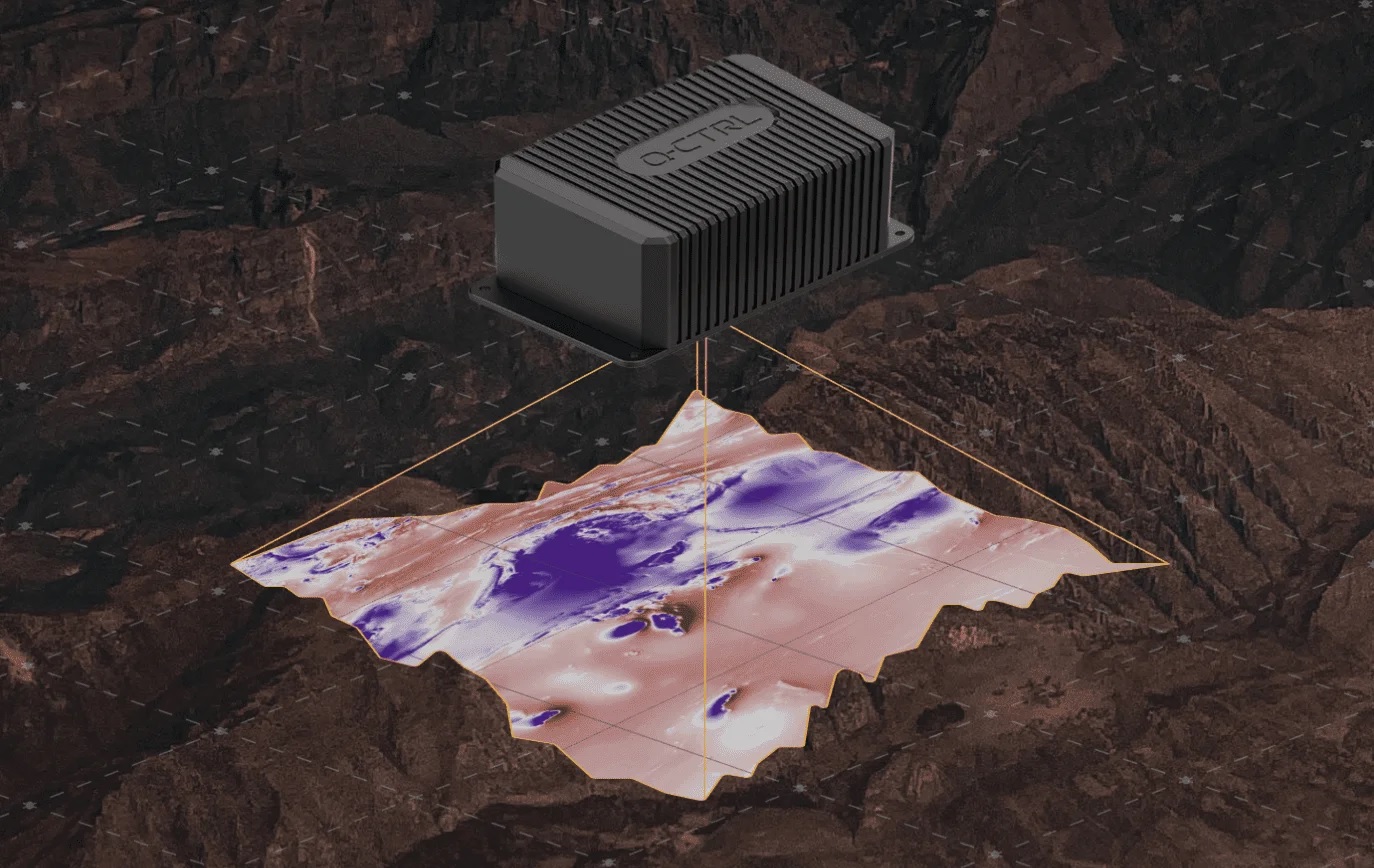
Washington / Sydney, August 29, 2025 — The U.S. Defense Advanced Research Projects Agency (DARPA) has awarded two contracts worth approximately A$38 million (US$24.4 million) to Australia’s quantum infrastructure firm Q-CTRL. The funding aims to develop next-generation quantum navigation sensors that can operate on military vehicles in environments where GPS signals are jammed, spoofed, or denied.
Lockheed Martin will join as a subcontractor, contributing its expertise in GPS integration and quantum technologies.
DARPA’s Robust Quantum Sensors Program
The initiative is part of DARPA’s Robust Quantum Sensors (RoQS) program, which seeks to accelerate the deployment of resilient navigation technologies. While quantum sensors are extremely precise in controlled laboratories, they often lose accuracy on moving platforms due to mechanical vibrations, g-forces, and electromagnetic interference. RoQS is focused on building sensors that remain stable and reliable under such real-world conditions.
Why Quantum Navigation Matters
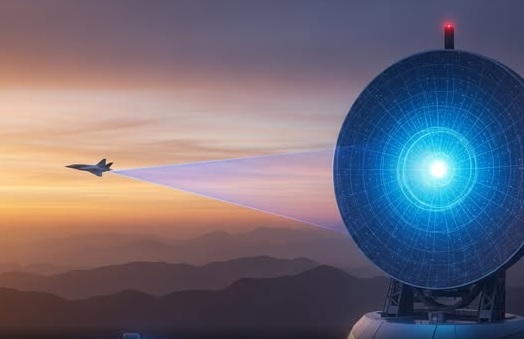
Modern battlefields are increasingly hostile to satellite navigation. GPS jamming and spoofing are now common tactics, leaving forces vulnerable if they depend solely on satellites. Quantum sensing provides an alternative by enabling navigation without GPS, ensuring secure positioning in contested environments.
Q-CTRL’s Role and Achievements
-
AI-Powered Software Ruggedization
Instead of relying on heavy physical shielding, Q-CTRL uses AI-enhanced software to stabilize quantum sensors against environmental noise. This allows the devices to function reliably aboard aircraft, ships, and land vehicles. -
Ironstone Opal Technology
Q-CTRL’s flagship system, Ironstone Opal, has achieved up to 111× better positioning accuracy compared to high-end inertial navigation systems when GPS was unavailable. -
Successful Field Trials
Earlier this year, Q-CTRL demonstrated its sensors aboard the Royal Australian Navy’s MV Sycamore. The system navigated continuously for 144 hours, using subtle changes in Earth’s gravity as a reference—proving its ability to guide missions without satellites.
Lockheed Martin Collaboration
Lockheed Martin will provide systems integration expertise, ensuring that the quantum navigation tools can be incorporated into advanced defense platforms. Senior defense experts at the company have highlighted that these systems will complement GPS, rather than replace it, by offering a fail-safe backup for military operations.
Beyond Defense: Wider Applications
While the immediate focus is defense, the same technologies could be used in:
-
Geophysical mapping and mineral exploration
-
Civil aviation and autonomous vehicles
-
Underground navigation in GPS-denied areas
-
Scientific missions by agencies such as NASA
Experts from U.S. research agencies have already shown interest in applying mobile quantum sensors to planetary exploration and Earth science missions.
Leadership Perspective
Q-CTRL CEO Michael J. Biercuk said the award reflects confidence in the company’s ability to deliver “a new generation of software-ruggedized quantum sensors for the most challenging defense missions.”
Lockheed Martin executives added that DARPA’s investment highlights the strategic importance of resilient navigation systems in securing future defense capabilities.
DARPA’s investment marks a major step toward deploying quantum navigation in real military missions. If successful, these systems could transform how soldiers, sailors, and pilots navigate in the toughest environments—while also opening doors for breakthrough civilian and scientific uses.
✍️ This article is written by the team of The Defense News.