Chinese Scientists Warn ICBMs Age Faster Than Expected, Raising Global Nuclear Concerns
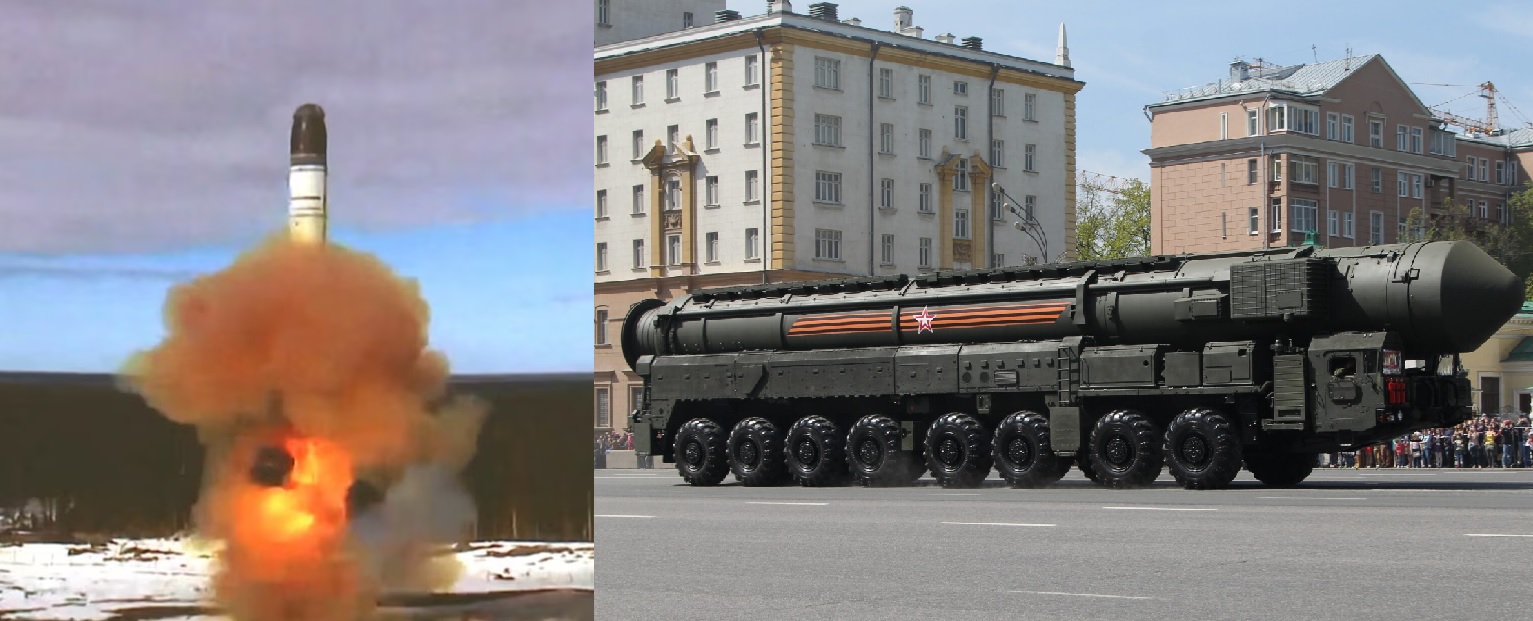
In a groundbreaking revelation, Chinese rocket scientists have discovered that the solid fuel used in intercontinental ballistic missiles (ICBMs) ages much faster than previously believed. This insight, stemming from detailed research at the National Key Laboratory of Solid Rocket Propulsion in Xian, challenges long-held assumptions about the stability and longevity of missile fuel and could explain the uptick in launch failures experienced by major nuclear powers in recent years.
A Critical Fuel Issue
Solid rocket fuel, the backbone of most ICBMs, is a highly engineered mixture typically composed of ammonium perchlorate, aluminum powder, and an HTPB (hydroxyl-terminated polybutadiene) binder. Historically, this fuel has been considered stable for well over a century under ideal storage conditions. However, the Chinese study has found alarming discrepancies. Under accelerated aging tests, fuel that appeared stable in routine inspections showed significant degradation within just 30 years.
Senior engineer Qin Pengju and his team revealed that aged propellant becomes increasingly brittle under pressure, undermining its ability to withstand the high stress of missile launches. Published in the Chinese Journal of Propulsion Technology on November 25, their research indicated that the aging process causes the propellant’s ductility—the ability to endure and adapt to high pressure— to drop sharply.
This finding is crucial, as solid fuel must endure immense pressure—up to six megapascals—during launch. If the aged propellant fractures during ignition, it could lead to catastrophic failure. Qin’s team identified that significant structural weakening begins after just 27 years, a stark contrast to earlier assumptions of stability for over a century.
Recent Launch Failures Highlight the Problem
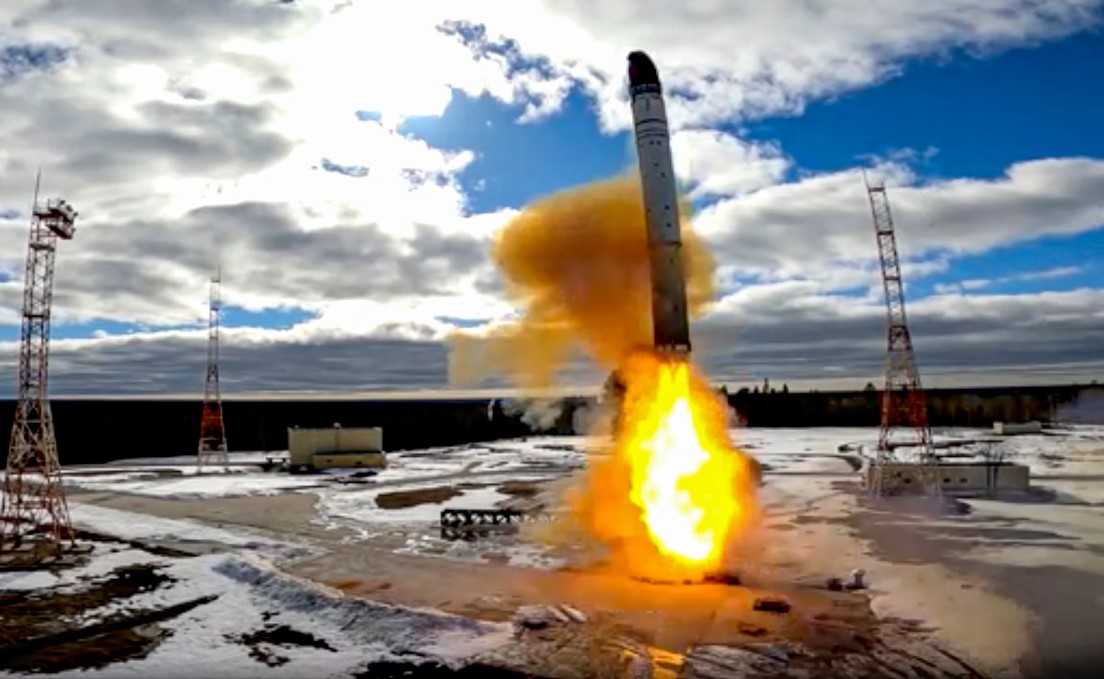
The implications of these findings resonate globally. In November 2023, a Minuteman III ICBM, manufactured by Boeing and a cornerstone of the U.S. nuclear deterrent, failed during a routine test flight, prompting its self-destruction. Shortly after, a Trident II missile—deployed by the British Royal Navy and essential to NATO’s nuclear umbrella—suffered a similar fate.
The Minuteman III, initially produced in the 1970s, remains a vital component of U.S. strategic defense, with over 400 units still in service. Meanwhile, the Trident II, operational for nearly three decades, has been lauded for its reliability but now faces scrutiny after back-to-back failures.
Despite rigorous inspections and maintenance protocols, the aging of solid propellant poses a persistent challenge. The U.S. has already committed nearly $10 billion to extend the Minuteman III’s service life into the 2030s while developing a new ground-based strategic deterrent missile. However, these failures underscore the urgent need to reassess the durability of existing nuclear arsenals.
How China's Arsenal Compares
While China’s nuclear arsenal is smaller than those of the U.S. and Russia, it has increasingly leaned on technological advancements to bolster its capabilities. Unlike silo-based missiles such as the Minuteman III, China’s ICBMs are often mobile-launched from platforms like trucks or trains, enhancing their survivability.
In September 2023, China successfully launched the Dong Feng-31AG missile, capable of carrying multiple nuclear warheads, into the southeastern Pacific. The country has also integrated hypersonic weapons into its arsenal, further complicating global nuclear strategies.
Broader Implications
Qin’s findings may explain why other nations, including North Korea, have experienced erratic missile launch results despite conducting frequent tests. In July 2023, North Korea launched its Hwasong-19 ICBM, claiming it could strike the U.S., but experts remain divided on its reliability.
The degradation of solid propellant also raises questions about the long-term viability of legacy missile systems globally. Even as nations invest billions in modernizing or replacing aging systems, these findings suggest that propellant aging could remain a critical vulnerability.
A Turning Point in Missile Technology
The revelations by Chinese scientists represent a wake-up call for the global nuclear community. As ICBMs remain pivotal to deterrence strategies, ensuring their reliability becomes paramount. The study highlights the need for ongoing research into fuel stability, improved inspection methods, and possibly developing next-generation propellants that can better withstand the test of time.
For now, this research serves as a stark reminder that the silent march of time can erode even the most formidable instruments of deterrence, potentially altering the balance of global power.
✍️ This article is written by the team of The Defense News.