Chinese Experts Call India’s Laser-Based Air Defence a “Significant Advancement”
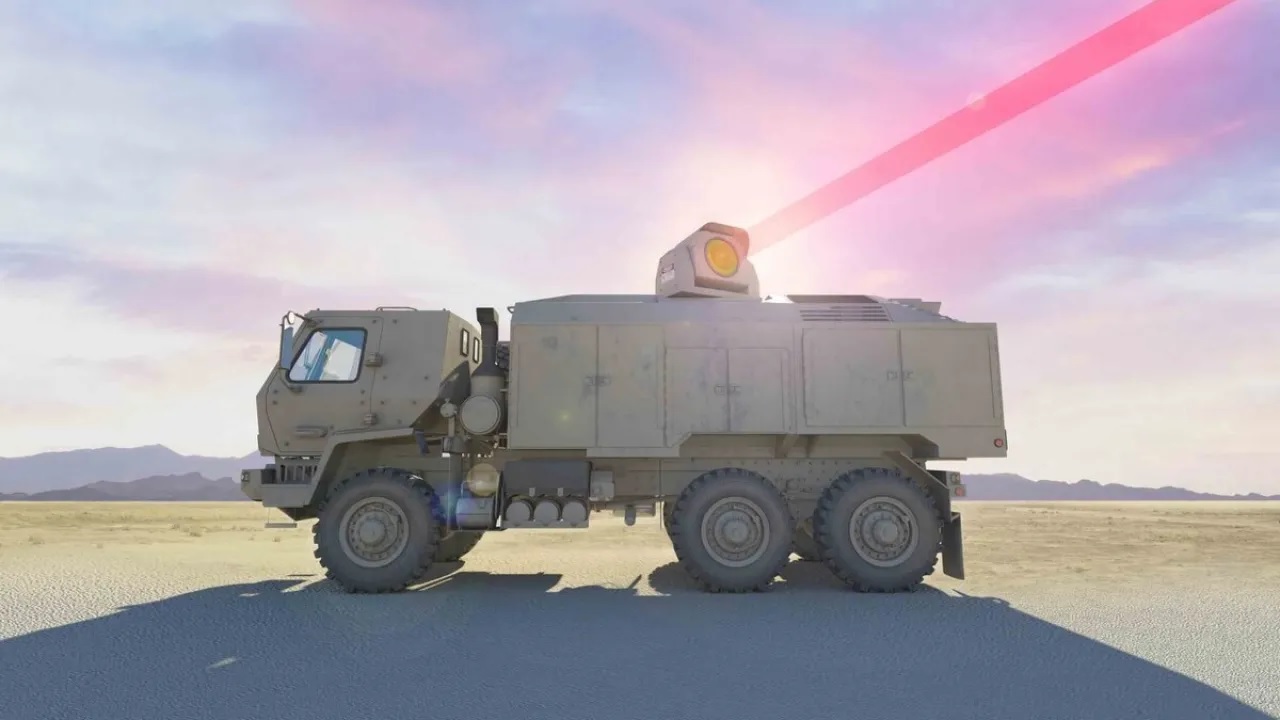
New Delhi, August 2025 – India’s successful test of the Integrated Air Defence Weapon System (IADWS), featuring a high-power laser-based Directed Energy Weapon (DEW), has drawn rare acknowledgment from Chinese military experts, who described the achievement as a “significant advancement” in air defence technology.
The IADWS, developed by the Defence Research and Development Organisation (DRDO), is a multi-layered air defence system that integrates three components:
-
Quick Reaction Surface-to-Air Missiles (QRSAMs)
-
Very Short-Range Air Defence System (VSHORADS) missiles
-
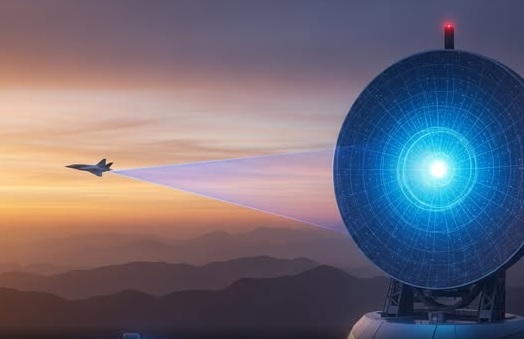
High-power laser Directed Energy Weapon (DEW)
The system was flight-tested off the coast of Odisha on Saturday, successfully intercepting multiple low and mid-altitude aerial targets.
Chinese Experts Acknowledge India’s Progress
Wang Ya’nan, chief editor of Beijing-based Aerospace Knowledge magazine, told China’s state media that while the QRSAM and VSHORADS are not novel technologies, the laser weapon system marks a major step forward.
“Among the three layers of the IADWS, the vehicle-based missile QRSAM and the man-portable air defence system VSHORADS are not technologically new, but the laser system should indeed be considered a significant advancement,” Wang said.
He emphasized that very few countries, including the United States, Russia, China, the UK, Germany, and Israel, have been able to develop and deploy such systems.
Wang highlighted the unique advantages of laser-based defence systems:
-
Speed-of-light engagement against threats like drones and cruise missiles
-
Silent, precise attacks that are difficult to detect
-
Continuous operation without the need for expensive missile reloads
-
High cost-effectiveness compared to traditional interceptor systems
Strategic Significance
The Chinese commentary is being regarded as important, considering the People’s Liberation Army (PLA) is itself heavily investing in directed energy weapons. China’s LW-30 laser defence system, often referred to as a UAV-killer, is currently one of the few operational systems of its kind.
Chinese experts admitted that India’s breakthrough places it among an elite group of nations with operational DEW technology, which will likely influence the regional balance of power.
Regional Security Context
The timing of India’s IADWS tests is noteworthy, coming just three months after Operation Sindoor, where Pakistan attempted to use Chinese-supplied drones and cruise missiles. According to the Stockholm International Peace Research Institute (SIPRI), over 81% of Pakistan’s military hardware is sourced from China, making the development of indigenous Indian defences particularly critical.
Analysts believe that the inclusion of a laser-based air defence layer will provide India with a game-changing capability to counter low-cost swarm drone attacks and stealth cruise missiles, threats increasingly deployed in regional conflicts.
Information Fusion at the Core
Wang also pointed out that the success of IADWS will depend on its information distribution network, ensuring real-time coordination between radar, missile, and laser components. Without this integration, the system would be “merely a collection of independent weapons.”
Indian officials have indicated that the IADWS uses advanced sensor fusion algorithms to create a unified threat picture, allowing automatic assignment of targets to the most effective layer—missiles for medium-range threats and lasers for low-altitude drones or UAVs.
India’s IADWS is set to undergo further evaluations before induction. Defence experts suggest that the laser weapon system could be expanded for use on naval ships and even airborne platforms in the future, creating a comprehensive, multi-domain shield against evolving aerial threats.
By earning acknowledgment from Chinese defence analysts, India’s achievement not only strengthens its strategic deterrence but also signals a shift in regional defence dynamics. The test underscores India’s ambition to become a leader in next-generation air defence technologies, joining the world’s most advanced military powers.
✍️ This article is written by the team of The Defense News.