Chinese Defence Minister Vows to Stop Taiwan Independence, Calls for US Cooperation
Chinese Defence Minister warns against Taiwan independence, calls for US cooperation; tensions persist amid diplomatic efforts.
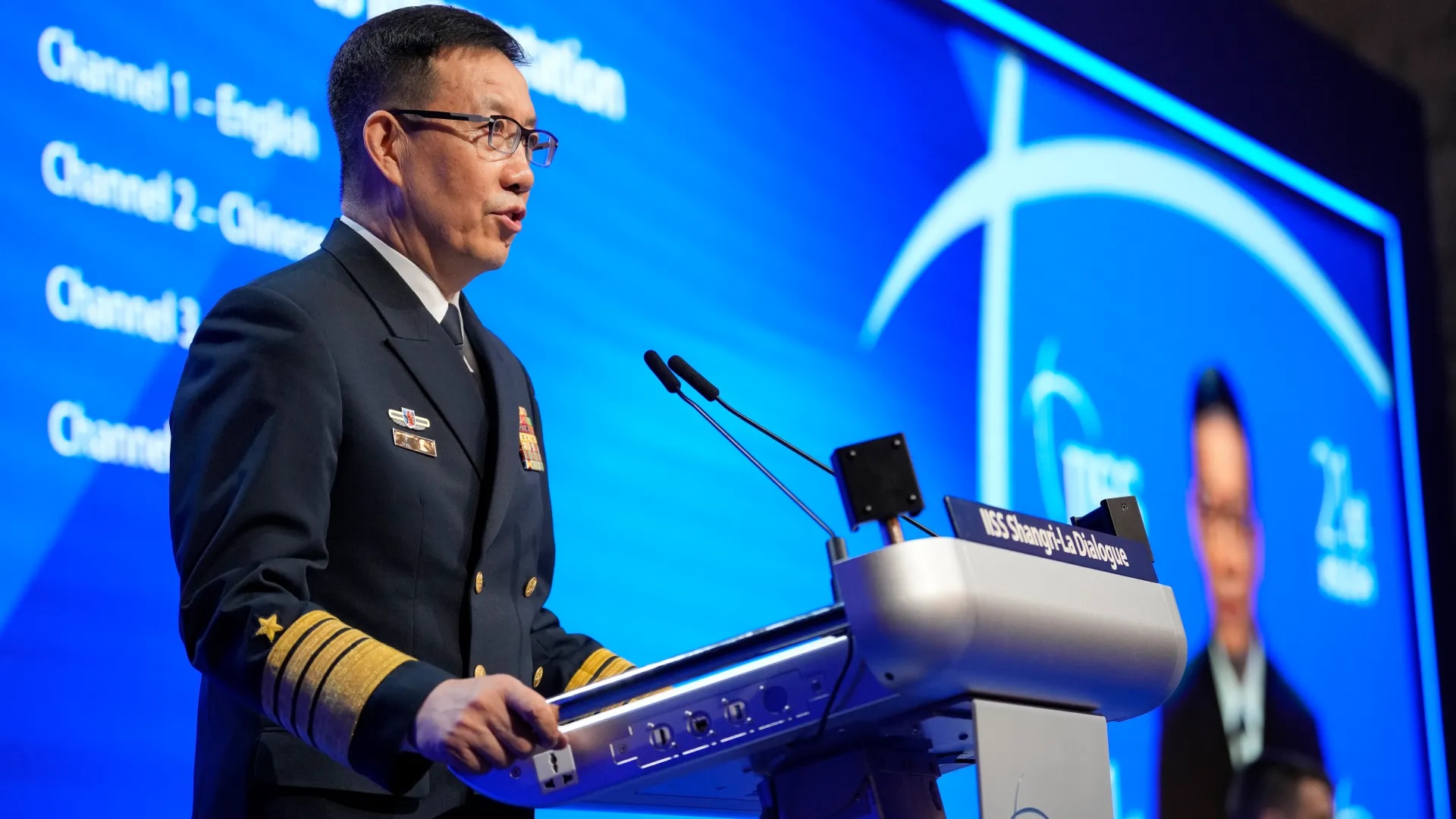
Chinese Defence Minister Dong Jun issued a stern warning about Taiwan independence at the Shangri-La Dialogue in Singapore, declaring that China’s military is prepared to act decisively to prevent any moves towards Taiwan’s independence. At the same time, he emphasized the importance of increased communication and cooperation between China and the United States.
During the annual security forum, which gathers defence officials worldwide and reflects the state of US-China relations, Dong highlighted the necessity of dialogue. “We have always been open to exchanges and cooperation, but this requires both sides to meet each other halfway,” Dong stated, underlining the need for more interactions between the two militaries due to existing differences.
High-Level Meetings and Communication
Dong's remarks came after his meeting with US Defense Secretary Lloyd Austin. The one-hour discussion, the first substantive face-to-face talks in 18 months between the defence chiefs, occurred in the backdrop of recent military tensions. Both sides showed a willingness to stabilize relations, with Austin announcing the resumption of telephone conversations between US and Chinese military commanders "in the coming months."
Taiwan Tensions
Dong’s comments also followed China’s military drills around Taiwan and threats of war after President Lai Ching-te's inauguration, whom Beijing labels a "dangerous separatist." Reiterating China's stance, Dong said, "The Chinese People's Liberation Army has always been an indestructible and powerful force in defence of the unification of the motherland, and it will act resolutely and forcefully at all times to curb the independence of Taiwan."
Recent Diplomatic Efforts
The Biden administration has increased efforts to ease tensions with China. Secretary of State Antony Blinken visited Beijing and Shanghai last month, marking a step towards improved diplomatic relations. A key focus of these efforts is resuming military-to-military dialogue to prevent conflicts from escalating.
In 2022, China cut military communications with the US in response to then-House Speaker Nancy Pelosi’s visit to Taiwan. Tensions were further heightened by an incident involving an alleged Chinese spy balloon over US airspace, and a meeting between Taiwan's then-president Tsai Ing-wen and current House Speaker Kevin McCarthy. Additionally, China's frustration grew over the US's deepening defence ties in the Asia-Pacific region, especially with the Philippines, and the regular deployment of American military assets in the Taiwan Strait and South China Sea, which Beijing perceives as containment efforts.
Moving Forward
Despite these challenges, both nations are taking steps to manage their rivalry responsibly. Following a summit between President Joe Biden and Chinese leader Xi Jinping in November, they agreed to restart high-level military talks. These discussions are expected to cover military operations near Taiwan, Japan, and the South China Sea, aiming to reduce the risk of conflict.
In summary, while China maintains a firm stance against Taiwan’s independence, it also seeks more robust communication channels with the United States to manage their complex relationship. The recent high-level meetings and planned resumption of military dialogue indicate a cautious but hopeful approach towards easing bilateral tensions.
✍️ This article is written by the team of The Defense News.