China to Showcase New Stealth Loyal Wingman Drones at 80th Victory Parade
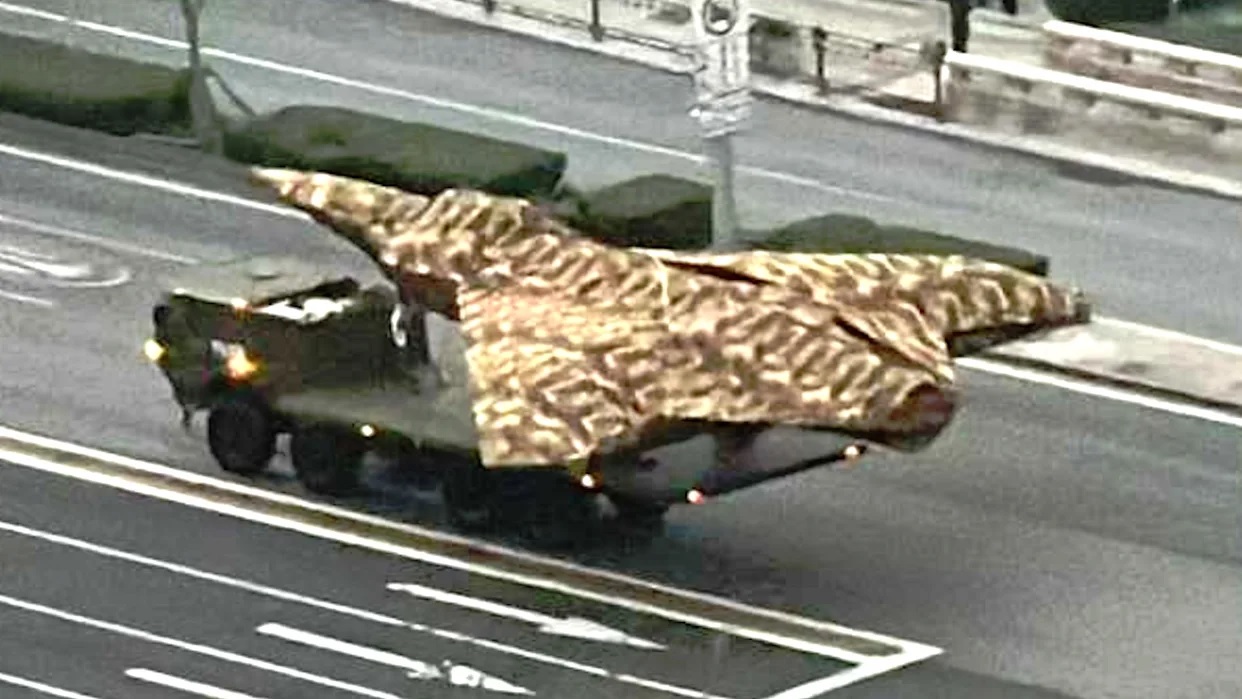
In a striking display of military modernization, China is preparing to unveil a new generation of uncrewed drones, particularly the “loyal wingman” type, during the upcoming military parade in Beijing on September 3. The event, which commemorates the 80th anniversary of China’s victory over Japan in World War II, is expected to highlight some of the country’s most advanced combat technologies, many of which are still in the developmental stage.
Recent imagery and reports suggest that at least five different loyal wingman drones will be featured. These drones, known in the U.S. as Collaborative Combat Aircraft (CCA), are designed to operate alongside manned fighter jets, providing support in combat missions through surveillance, electronic warfare, or direct strikes. Among the most anticipated is the GJ-11 Sharp Sword, a stealthy flying-wing drone considered a central piece of China’s unmanned combat aircraft program.
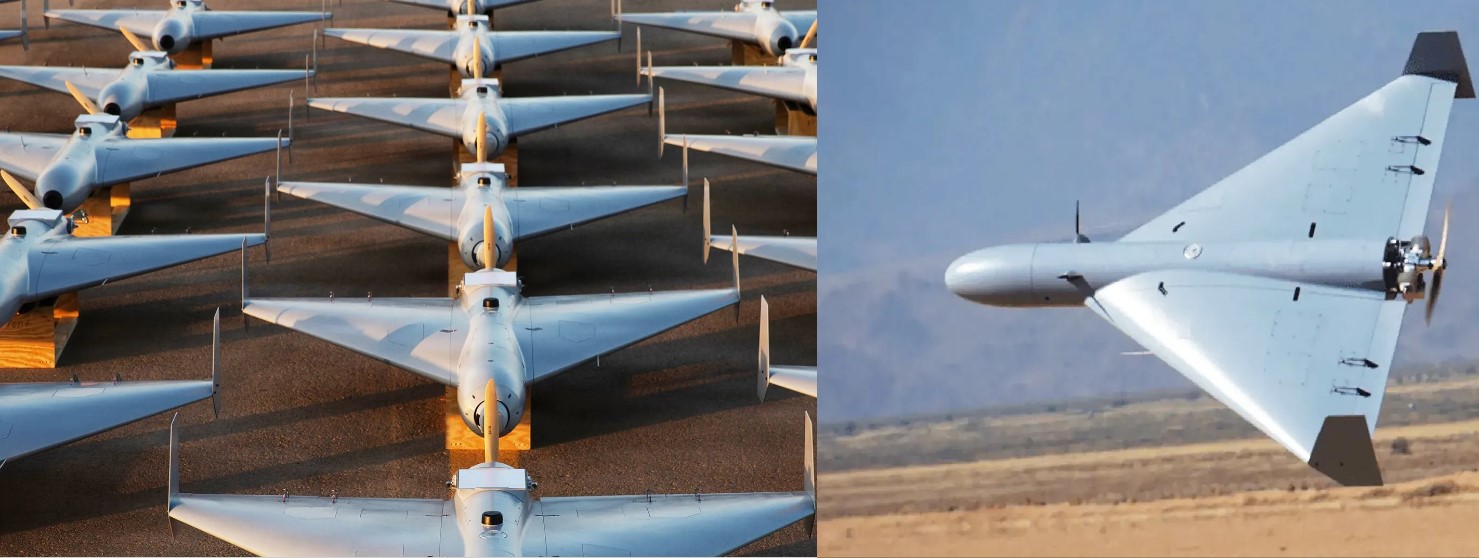
One design that has drawn significant attention closely resembles the FH-97 drone, first shown at the Zhuhai Airshow in 2021. It features a traditional wing and tail layout with a top-mounted air intake, bearing similarities to the American XQ-58A Valkyrie. Analysts also noted comparisons to the General Atomics YFQ-42A, though Chinese models exhibit subtle differences in stabilizer design, hinting at unique operational roles. In addition, two new tailless drone designs with delta wing shapes have been spotted, pointing toward higher maneuverability and stealth.
Videos from recent rehearsals suggest that at least one of these tailless drones has already flown in formation with a Chinese transport aircraft, underscoring the progress toward crewed–uncrewed teaming. This concept, heavily emphasized by global militaries, relies on advanced artificial intelligence to allow drones to operate as extensions of piloted aircraft, sharing data and carrying out coordinated missions.
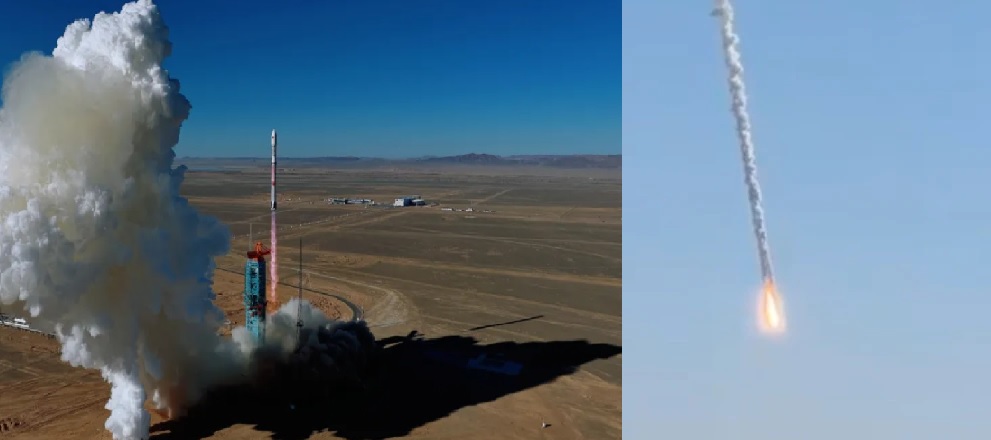
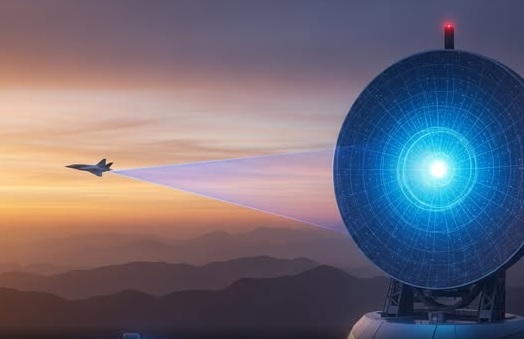
Beyond drones, the parade is expected to reveal a broad array of military advancements. China is preparing to display new missile systems, including the YJ-17, YJ-19, and YJ-20, with speculation that some could carry hypersonic capabilities. Reports also point to the development of uncrewed underwater and surface vehicles, directed-energy missile defense systems, and next-generation armored vehicles, both crewed and uncrewed.
The strategic message behind this parade is clear. By showcasing these cutting-edge systems, China is signaling its intent to modernize the People’s Liberation Army (PLA) across multiple domains—air, land, sea, and space. The emphasis on drones, especially the loyal wingman category, reflects Beijing’s ambition to create a cost-effective, high-volume network of unmanned systems that can augment its stealth fighters like the J-20.
While some of the designs on display may remain prototypes or mockups, history suggests that China often uses parades to preview platforms that later become operational. The unveiling of loyal wingman drones thus marks an important step in the PLA’s transition toward future warfare, where autonomy, swarming tactics, and AI integration will define the battlespace.
This year’s parade is shaping up to be more than just a commemoration of the past—it is also a preview of China’s vision of tomorrow’s battlefield, one where uncrewed systems play a central role in shaping air dominance and power projection.
✍️ This article is written by the team of The Defense News.