China and U.S. to Resume Trade Talks in Malaysia Ahead of Xi–Trump Meeting

China’s Vice Premier He Lifeng is set to meet U.S. officials in Malaysia from October 24 to 27, as both sides prepare for another attempt to stabilize economic relations amid renewed trade tensions. The Chinese Ministry of Commerce confirmed on Thursday that the discussions will focus on “important issues in China–U.S. economic and trade relations” and will build on the consensus reached during several phone calls between the two nations’ leaders earlier this year.
This meeting marks the fifth round of high-level trade talks between the world’s two largest economies and is expected to pave the way for a potential meeting between Presidents Xi Jinping and Donald Trump in South Korea later this year. The negotiations come at a time when both countries are struggling to prevent a full-scale trade confrontation following recent tariff threats and expanded export controls.
U.S. Treasury Secretary Scott Bessent confirmed last week that he had held a “frank and detailed” video call with He Lifeng, adding that both sides had agreed to meet in Kuala Lumpur to continue discussions in person. The upcoming talks will serve as a key test of whether Washington and Beijing can reestablish a working framework to manage their differences after months of escalating friction.
Tensions have risen sharply this month after the U.S. administration announced plans for 100 percent tariff hikes on certain Chinese goods, citing unfair trade practices and national security concerns. In response, China unveiled a sweeping expansion of its export control regime covering rare earth elements — critical minerals essential for the production of semiconductors, electric vehicles, and advanced weapon systems.
Under the new Chinese rules, exporters are now required to seek government approval before shipping rare earth materials or products containing them. The regulation also applies to technology and equipment used in refining or processing these elements. Beijing described the move as a “necessary measure” to protect national security and safeguard its resource advantages, while Washington called the policy “unworkable and unacceptable.”
Speaking on Fox Business Network, Bessent said the rare earth restrictions affect not only the United States but “the entire global supply chain.” He suggested that the U.S. and its allies were considering a joint response if no compromise could be reached during the Malaysia talks. “We are hoping to get this ironed out over the weekend,” Bessent said, “so that our leaders can enter their meeting on a more positive note.”
For Beijing, the rare earth sector remains a powerful bargaining chip. China controls more than 60 percent of global rare earth production and holds some of the world’s largest reserves. The country has previously used export controls as leverage in trade disputes, most notably during earlier U.S.–China tensions in 2019. Meanwhile, Washington has been pushing to diversify its supply chains by investing in rare earth mining and processing projects in countries such as Australia, Canada, and Malaysia.
Beyond the rare earth issue, the Malaysia talks are expected to cover a wide range of topics, including tariffs on agricultural exports, technology access restrictions, and the bilateral trade balance. The U.S. side is seeking greater transparency and market access for American companies, while China wants relief from sanctions that limit its access to advanced chips and manufacturing equipment.
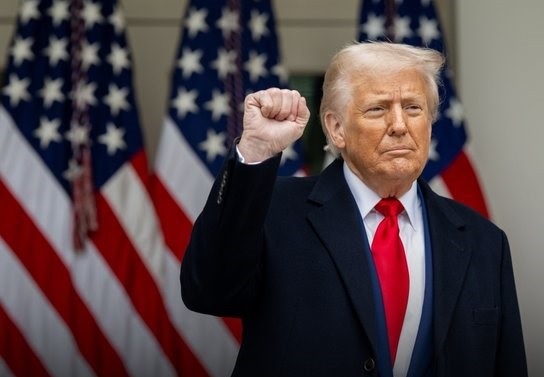
Trump, speaking to reporters on Wednesday, played down the impact of China’s new export rules and expressed optimism that a deal could be reached. “I think we’ll make a deal,” he said. “The rare earth is the least of it. We’ll make a deal on soybeans and the farmers. Maybe even on nuclear.”
Observers believe the Malaysia meeting is crucial for setting the tone ahead of the Xi–Trump summit in South Korea. A modest agreement or even a symbolic joint statement could help cool tensions before the two leaders meet. However, failure to reach common ground could lead to a renewed escalation of tariffs and sanctions, further straining global markets and supply chains.
As both sides head into talks, expectations remain cautious. The U.S. is under pressure to demonstrate toughness on trade while maintaining economic stability, and China seeks to protect its technological interests without triggering further sanctions. The next few days in Kuala Lumpur will reveal whether the world’s two largest economies can find a path forward — or whether their economic rivalry will deepen in the months ahead.
About the Author
Aditya Kumar:
Defense & Geopolitics Analyst
Aditya Kumar tracks military developments in South Asia, specializing in Indian missile technology and naval strategy.