China Warns Japan of “Decisive Strike” Over Possible Taiwan Intervention
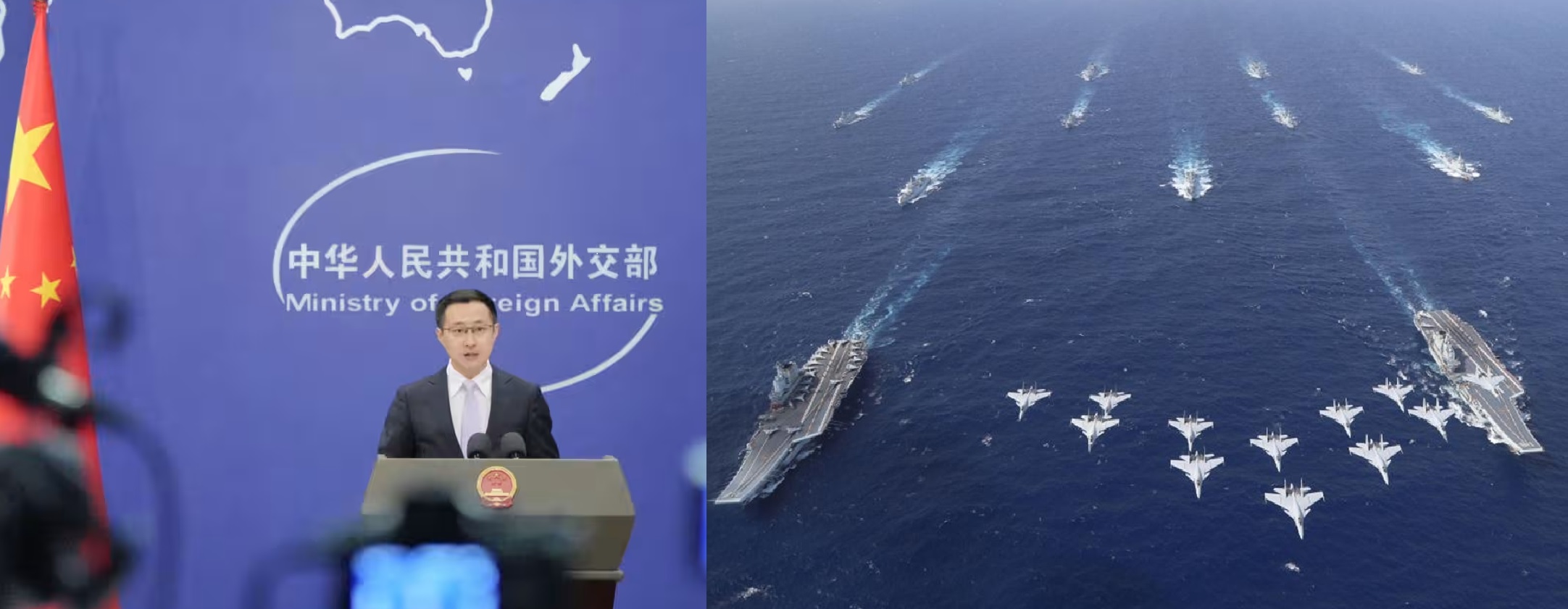
A sharp diplomatic clash erupted this week after the Chinese Foreign Ministry delivered an unusually stern warning to Japan, declaring that any Japanese military involvement in a Taiwan Strait conflict would be met with a “decisive” Chinese response.
Foreign Ministry spokesperson Lin Jian stated that if Japan “intervenes militarily in the Taiwan Strait situation… China will strike back decisively.” He further cautioned Tokyo “not to play with fire on the Taiwan question, for those who play with fire will perish by it.”
The remarks, delivered during a regular ministry briefing, underscore Beijing’s anger over recent statements by Japanese political leaders regarding Taiwan’s security.
What Triggered the Tensions
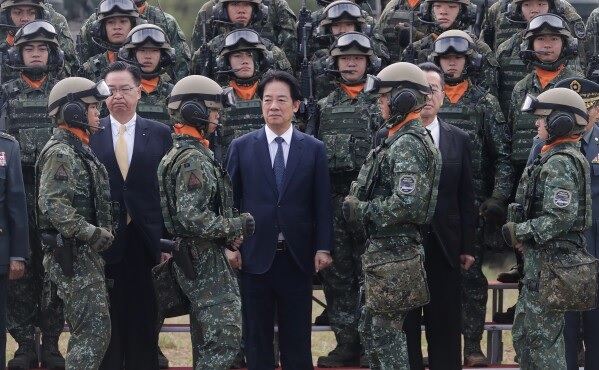
The confrontation intensified after Japanese Prime Minister Sanae Takaichi described a potential Chinese attack on Taiwan as a “survival-threatening situation” for Japan. Under Japan’s security laws, such a designation could allow the country to deploy the Self-Defense Forces in support of Taiwan or U.S. operations in the region.
Tokyo has become increasingly vocal about the risks posed by Chinese military activities near Taiwan and around Japan’s southwestern islands. Beijing, however, views any such commentary as interference in what it considers an internal Chinese matter.
Following the remarks, China formally summoned Japan’s ambassador in Beijing and lodged a strong protest, calling Takaichi’s words “dangerous,” “provocative,” and a violation of the one-China principle.
Japan’s Response
Japan’s Foreign Ministry expressed regret over the tone of China’s statements and insisted that Japanese officials had a right to comment on threats that may impact national security.
Foreign Minister Toshimitsu Motegi noted that China’s warning was “inappropriate” and said Japan would firmly communicate its position to Beijing. However, Tokyo did not retract the Prime Minister’s earlier comments, signaling it will not soften its stance on the Taiwan issue.
Japanese officials emphasized that regional stability and freedom of navigation remain key national interests and that any escalation in the Taiwan Strait would directly affect Japan’s security environment.
Growing Strategic Tension
The exchange reflects deepening distrust between the region’s two largest powers. China has increased military pressure on Taiwan through air and naval activity, while Japan has strengthened defense cooperation with the United States, expanded missile defenses, and reinforced troop presence on the Ryukyu island chain.
Beijing perceives these moves as signs that Japan may play a more active role if a conflict breaks out.
Tokyo, meanwhile, views China’s military buildup and assertiveness as its greatest strategic challenge.
What Happens Next?
Diplomats warn that rhetoric from both sides risks miscalculation. China’s latest threat is among its strongest directed at Japan in years, signaling a willingness to respond militarily if Tokyo enters a Taiwan conflict.
Japan, bound closely to U.S. strategy in the Indo-Pacific, is unlikely to stop discussing Taiwan’s security situation — especially as it directly affects Japanese territory and sea lanes.
As both sides harden their positions, the Taiwan Strait continues to sit at the center of what analysts describe as the most volatile flashpoint in Asia.
About the Author
Aditya Kumar:
Defense & Geopolitics Analyst
Aditya Kumar tracks military developments in South Asia, specializing in Indian missile technology and naval strategy.