China Secretly Delivers HQ-9B Air Defense Systems to Iran in Emergency Airlift Amid Strike Fears

Multiple security and aviation-monitoring sources say the systems arrived via an unusually intense airlift that began in mid-January, with at least 14 large cargo aircraft landing in Iran within a span of roughly 72 hours. The sudden surge of flights from southern China has fueled speculation that Beijing used a compressed delivery timeline to rush complete air defense units into position before any Western military operation could be launched.
A Sudden and Unprecedented Airlift
According to flight-tracking data reviewed by regional analysts, the air bridge began around January 15, when a mix of Chinese heavy transport aircraft and Iranian-operated Boeing 747 freighters started arriving at Iranian airfields. Several of the Iranian planes are linked to Mahan Air, an airline long accused by Western governments of supporting Iran’s Islamic Revolutionary Guard Corps (IRGC) logistics network.
The aircraft reportedly departed from logistics hubs in the Guangzhou and Shenzhen regions, flying westward through Central Asia. Analysts say many of the flights either disabled their transponders or deviated from standard civil aviation procedures, a tactic often used to obscure sensitive military cargo movements. By avoiding more closely monitored southern routes, the planes reduced the risk of surveillance or interception.
By the end of the third day, at least 14 landings had been recorded. Defense specialists estimate that such a volume of traffic would be sufficient to deliver two to three complete HQ-9B battalions, along with reload missiles, command vehicles, and associated radar units.
Why the HQ-9B Matters
The HQ-9B is China’s most capable operational long-range surface-to-air missile system, often compared to Russia’s S-400. With a reported engagement range of up to 250 kilometers and the ability to intercept targets at altitudes approaching 50 kilometers, the system is designed to counter aircraft, cruise missiles, and some ballistic threats.
Unlike earlier generations of Iranian air defenses, the HQ-9B employs active radar homing in the missile’s terminal phase. This allows launch radars to disengage or shift targets after firing, complicating suppression efforts by attacking aircraft. Sources familiar with the reported delivery say the package also includes advanced phased-array surveillance radars, most notably the JY-26 “Skywatch”, which Chinese engineers advertise as optimized for detecting low-observable (stealth) aircraft.
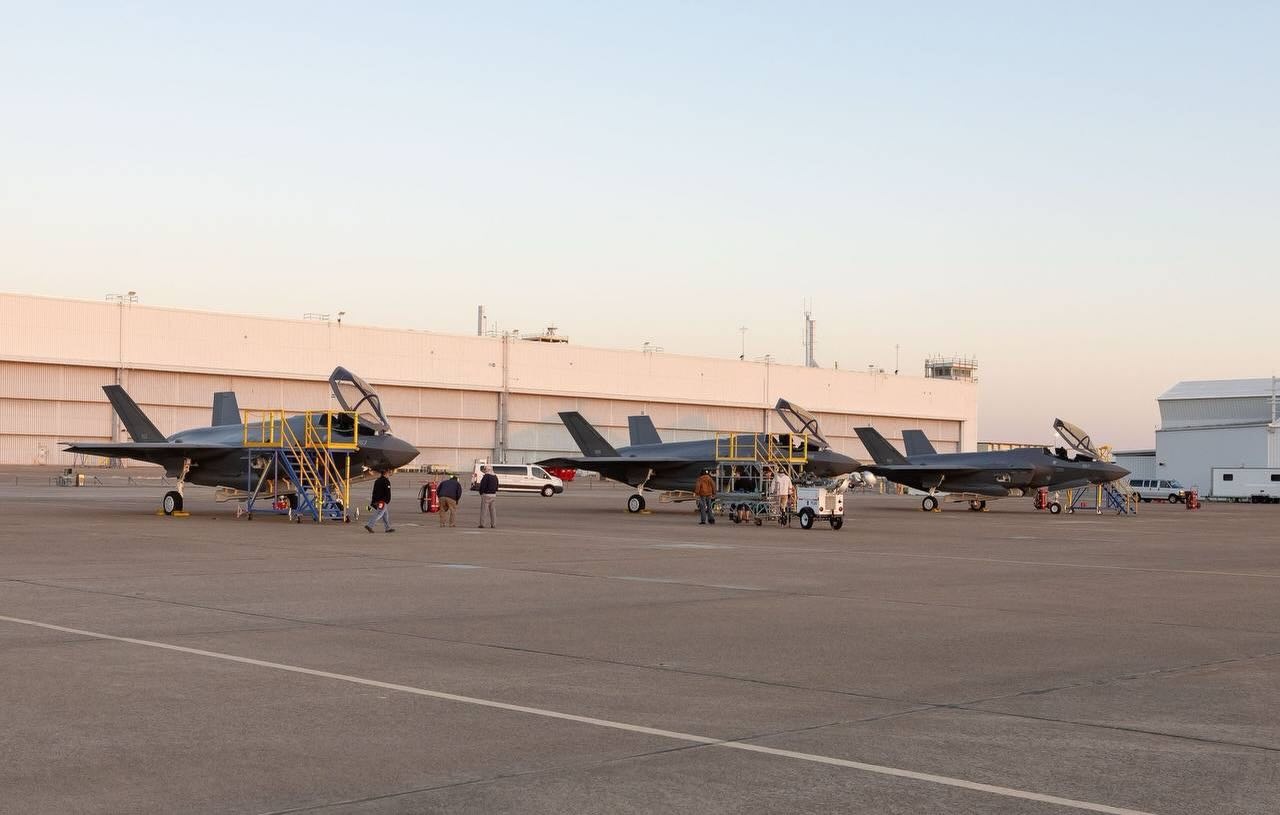
If deployed and integrated successfully, the system would directly address one of Iran’s most serious vulnerabilities: its difficulty tracking and engaging modern Western fighters such as the U.S. F-35 and F-22.
A Break with Moscow
For years, Iran’s high-end air defense rested on Russian-supplied S-300PMU2 batteries. Those systems, however, were widely judged to have performed poorly during the intense air clashes with Israel in mid-2025, when Israeli aircraft reportedly penetrated Iranian-protected airspace with limited losses. The same period also saw delays and uncertainty surrounding Moscow’s promised delivery of Su-35 fighter jets to Tehran.
Regional diplomats say frustration with Russia’s reliability, combined with China’s willingness to deliver quickly and quietly, pushed Iran toward Beijing. One official familiar with the matter described the move as “diversifying away from a single, unreliable supplier” at a moment of acute strategic pressure.
“Oil for Iron”
People briefed on the alleged deal say the transfer was facilitated through a barter arrangement rather than a conventional cash purchase. Under the reported terms, Iran would compensate China with heavily discounted crude oil shipments, bypassing dollar-denominated transactions and reducing exposure to U.S. financial sanctions.
Such arrangements are not unprecedented. China has remained one of the largest buyers of Iranian oil despite international restrictions, often using opaque trading structures. Analysts say the urgency of the January airlift suggests the agreement was finalized late last year but executed only after intelligence assessments warned Tehran of a narrowing window before possible Western military action.
Strategic Consequences
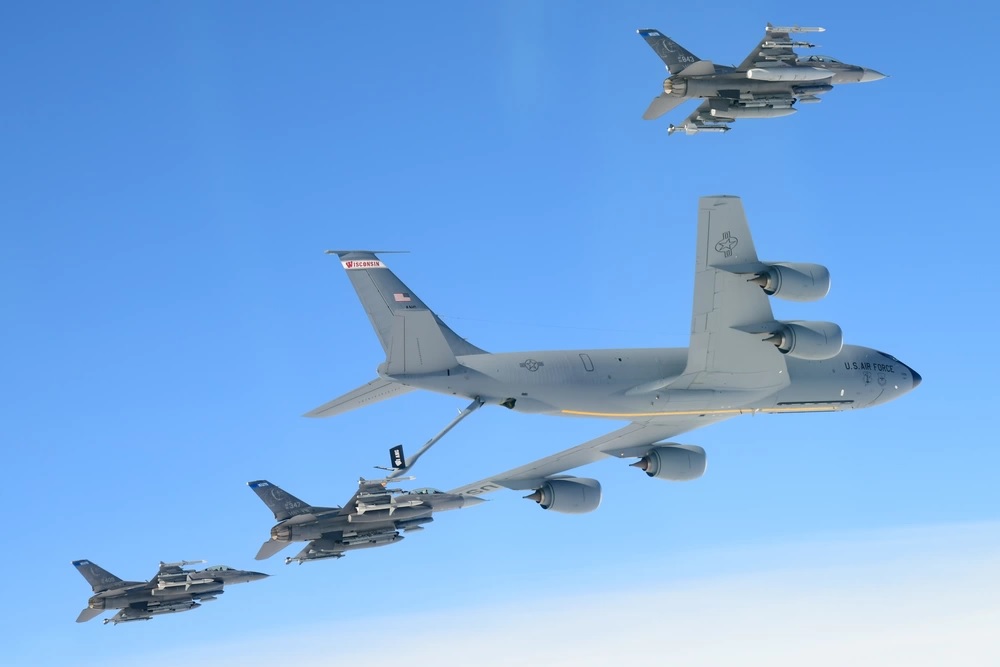
The timing of the reported deliveries has drawn particular attention in Washington and Tel Aviv. U.S. forces have been reinforcing their regional posture in recent weeks, and defense planners are believed to be examining strike options against Iranian targets linked to missile development and proxy operations.
Military analysts caution that the HQ-9B’s arrival does not make Iran immune to attack. Integrating a new air defense system, training crews, and linking it into existing command networks typically takes weeks or months. However, even a partially operational deployment could force U.S. or Israeli planners to allocate additional resources to suppress Iranian air defenses, raising the cost and complexity of any operation.
“This is about buying time and raising the threshold,” said one defense analyst who follows Chinese missile exports. “If these batteries come online quickly, Iran shifts from being penetrable to being dangerous to penetrate.”
A Test Yet to Come
Despite its impressive specifications, the HQ-9B has never been tested in combat against Western air power. Any future confrontation would therefore serve as a proving ground not only for Iran’s defenses but also for China’s claims about the system’s effectiveness.
For now, the reported airlift underscores how rapidly the strategic landscape around Iran is changing. Whether the HQ-9B ultimately reshapes the balance of power or merely delays an inevitable clash may depend on how quickly the systems are deployed—and how soon the skies over Iran are tested.
About the Author
Aditya Kumar:
Defense & Geopolitics Analyst
Aditya Kumar tracks military developments in South Asia, specializing in Indian missile technology and naval strategy.