China Rejects US Assessment of China–India De-escalation, Warns U.S to Stay Out
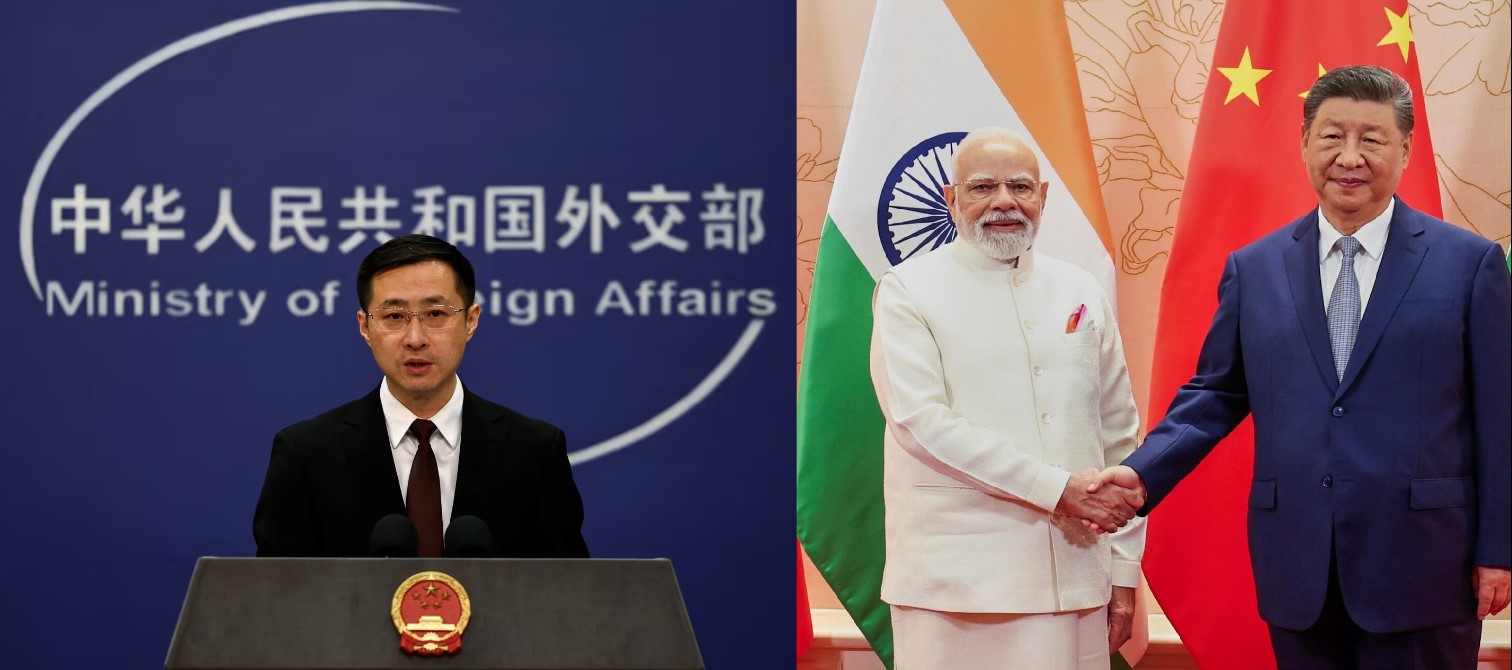
China has categorically rejected a recent United States defense assessment that evaluated Beijing’s evolving approach toward India, accusing Washington of distorting facts to sow discord between Asia’s two largest neighbors. The sharp response underscores China’s growing unease over U.S. scrutiny of Sino-Indian relations at a time when regional geopolitics is entering a more volatile phase.
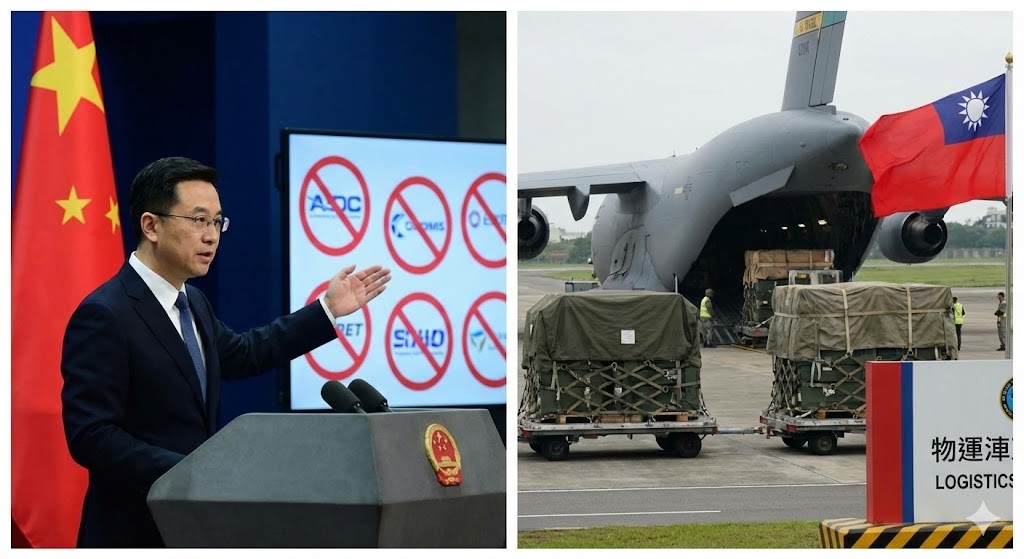
During a routine press briefing, Lin Jian, spokesperson of China’s Foreign Ministry, stated that Beijing views its relationship with India from a “strategic height and long-term perspective.” He firmly objected to what he described as external interference in bilateral matters, particularly the long-standing border dispute, which China insists should be handled exclusively between New Delhi and Beijing.
US Report Sparks Diplomatic Pushback
The reaction follows the release of the United States Department of Defense report titled “Military and Security Developments Involving the People’s Republic of China 2025.” The document suggested that China’s recent de-escalation measures along the Line of Actual Control (LAC) may be tactically motivated, aimed at stabilizing ties with India while countering the deepening strategic partnership between India and the United States.
Chinese officials dismissed this interpretation as “irresponsible.” Lin Jian asserted that China opposes any third party making judgments on China–India relations, urging Washington to refrain from actions that could undermine regional stability.
Border Disengagement and Renewed Dialogue
The U.S. report referenced an October 2024 disengagement agreement between Indian and Chinese forces at key friction points along the LAC—one of the most notable confidence-building measures since the military standoff began in 2020. The agreement was announced shortly before a rare bilateral interaction between President Xi Jinping and Prime Minister Narendra Modi on the sidelines of the BRICS Summit.
Following that engagement, both sides agreed to resume monthly high-level military and diplomatic talks, focusing on border management, confidence-building mechanisms, and selective normalization measures. These included discussions on direct flight restoration, visa facilitation, and renewed exchanges among academics, journalists, and think tanks—initiatives widely seen as confidence signals rather than full normalization.
Galwan’s Shadow Still Looms
Despite these developments, relations remain weighed down by the legacy of the June 2020 Galwan Valley clash, the deadliest confrontation between the two armies in decades. The incident triggered a prolonged military standoff, mass troop deployments, and a fundamental reset in India’s approach toward China.
Although multiple rounds of corps commander-level talks have resulted in partial disengagement, analysts agree that complete normalization hinges on sustained peace and tranquility along the LAC—a position India has reiterated consistently.
External Affairs Minister S. Jaishankar has repeatedly stated that bilateral ties cannot return to normal unless the border situation is fully stabilized, signaling New Delhi’s reluctance to delink diplomacy from ground realities.
China’s Concern Over US-Led Alignments
China’s rejection of the Pentagon report also reflects broader anxieties about U.S.-led regional groupings, particularly the Quadrilateral Security Dialogue, which includes India, the U.S., Japan, and Australia. Beijing has accused Washington of amplifying the “China threat” narrative to justify security coalitions designed to contain China’s influence in the Indo-Pacific.
At the same time, India continues to deepen defense and technology cooperation with the United States, including through frameworks such as iCET and expanded military exercises, while carefully preserving its strategic autonomy by maintaining ties with Russia and engaging multilaterally through platforms like BRICS.
A Fragile Calm Heading Into 2025
Despite record bilateral trade volumes and ongoing diplomatic engagement, mutual distrust persists, exacerbated by China’s infrastructure expansion near the LAC, unresolved disengagement zones, and lingering political sensitivities. As 2025 approaches, regional analysts view the fragile calm along the border as a litmus test for whether strategic restraint can prevail over intensifying great-power rivalry in Asia.
China’s strong rebuttal of the U.S. defense report signals a clear message: Beijing prefers a bilateral management framework for its relationship with India, free from American influence, even as the broader Asia-Pacific security environment grows increasingly contested.
✍️ This article is written by the team of The Defense News.