China Launches First-Ever Emergency Spacecraft to Protect Tiangong Crew After Damage Incident
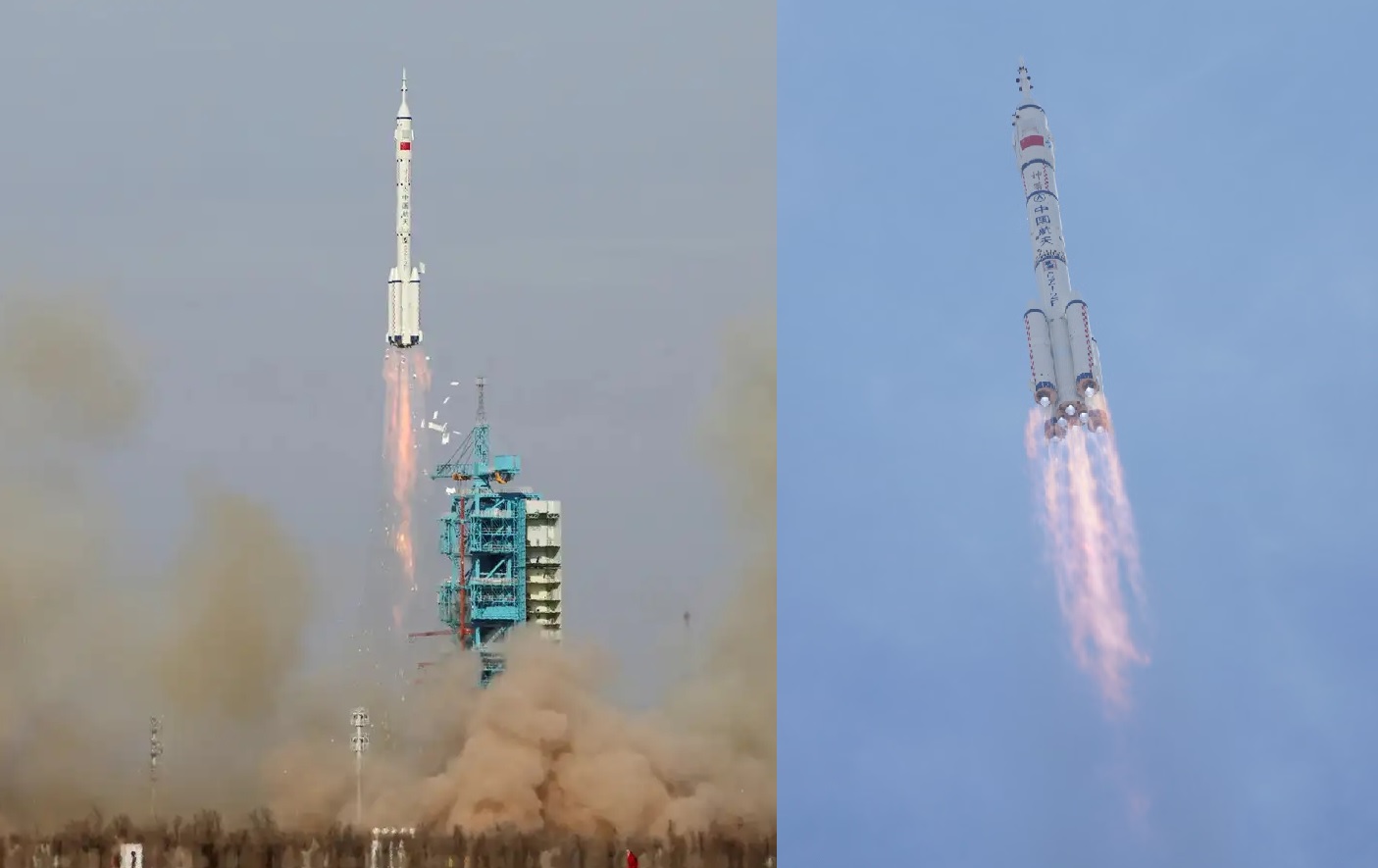
China has carried out its first emergency launch in the history of its crewed space programme, sending the Shenzhou-22 return spacecraft to the Tiangong space station after the discovery of damage on the return vehicle used by the current crew.
The spacecraft, carrying around 600kg of supplies, lifted off at 12:11 p.m. Beijing time on Tuesday aboard a Long March-2F rocket from the Jiuquan Satellite Launch Centre. In a rapid-response operation, it docked with Tiangong in less than four hours, restoring a safe evacuation method for the three astronauts currently onboard.
Emergency Triggered by Damage to Previous Spacecraft
The emergency launch was prompted after engineers found tiny cracks in the porthole of the Shenzhou-20 return capsule earlier this month. The damage was likely caused by micrometeoroids or space debris, a growing hazard in low-Earth orbit.
Because the cracked capsule was deemed unsafe for human return, China was forced to improvise: the Shenzhou-21 spacecraft, which had delivered the new crew to Tiangong, was repurposed for the previous crew’s return to Earth on November 14. That decision left the current astronauts temporarily without a return vehicle — a situation China described as “unacceptable for crew safety”.
The damaged Shenzhou-20 capsule will be repaired in orbit and sent back to Earth carrying only cargo, with no astronauts onboard.
Smooth and Rapid Rescue Mission
Shenzhou-22’s launch demonstrated China’s emergency-readiness model, which keeps a backup spacecraft and rocket permanently on standby.
The replacement vessel delivered:
-
Food supplies
-
Medical kits
-
Maintenance tools
-
Equipment needed to repair the cracked Shenzhou-20 capsule
Engineers on the station will now begin a detailed inspection of the damaged window and prepare the spacecraft for cargo-only return.
A Growing Concern: Orbital Debris
This incident has renewed attention on the increasing threat posed by orbital debris, which has already damaged satellites, the ISS, and now China’s Shenzhou-20 return capsule.
Space-flight analysts warn that even millimetre-sized fragments can puncture spacecraft travelling at orbital speeds. China’s space agency has stated it will expand debris-tracking measures and reinforce shielding strategies for future missions.
What Happens Next
With Shenzhou-22 now docked, the crew aboard Tiangong has a safe emergency return option once again. The ship is expected to become the primary return vehicle for the astronauts and remain docked until their mission ends next year.
China will also study the response timeline and refine its emergency procedures as it prepares for upcoming missions — including its long-planned lunar programme.
About the Author
Aditya Kumar:
Defense & Geopolitics Analyst
Aditya Kumar tracks military developments in South Asia, specializing in Indian missile technology and naval strategy.