China Imposes Sanctions on 30 U.S. Defence Firms After U.S Approves Record Taiwan Weapons Package
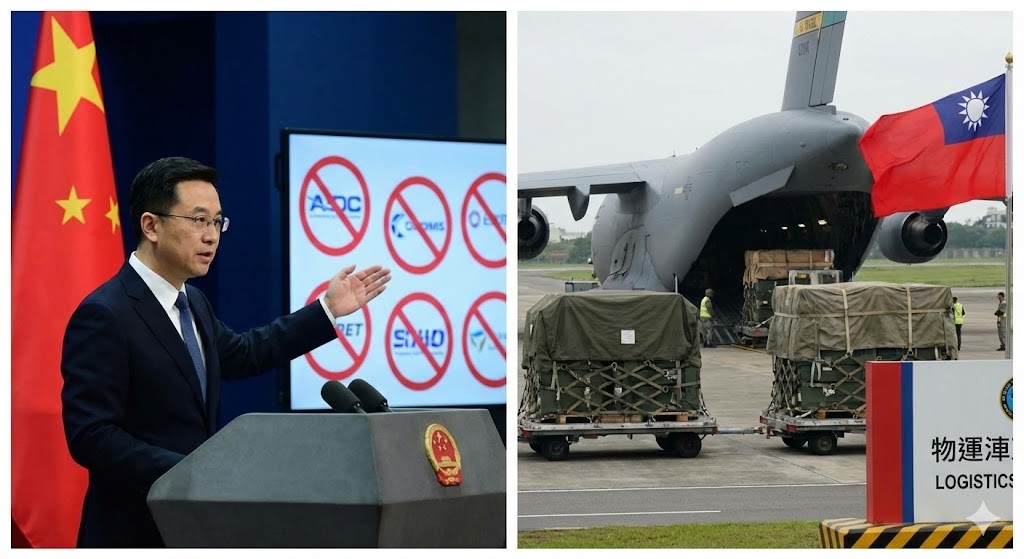
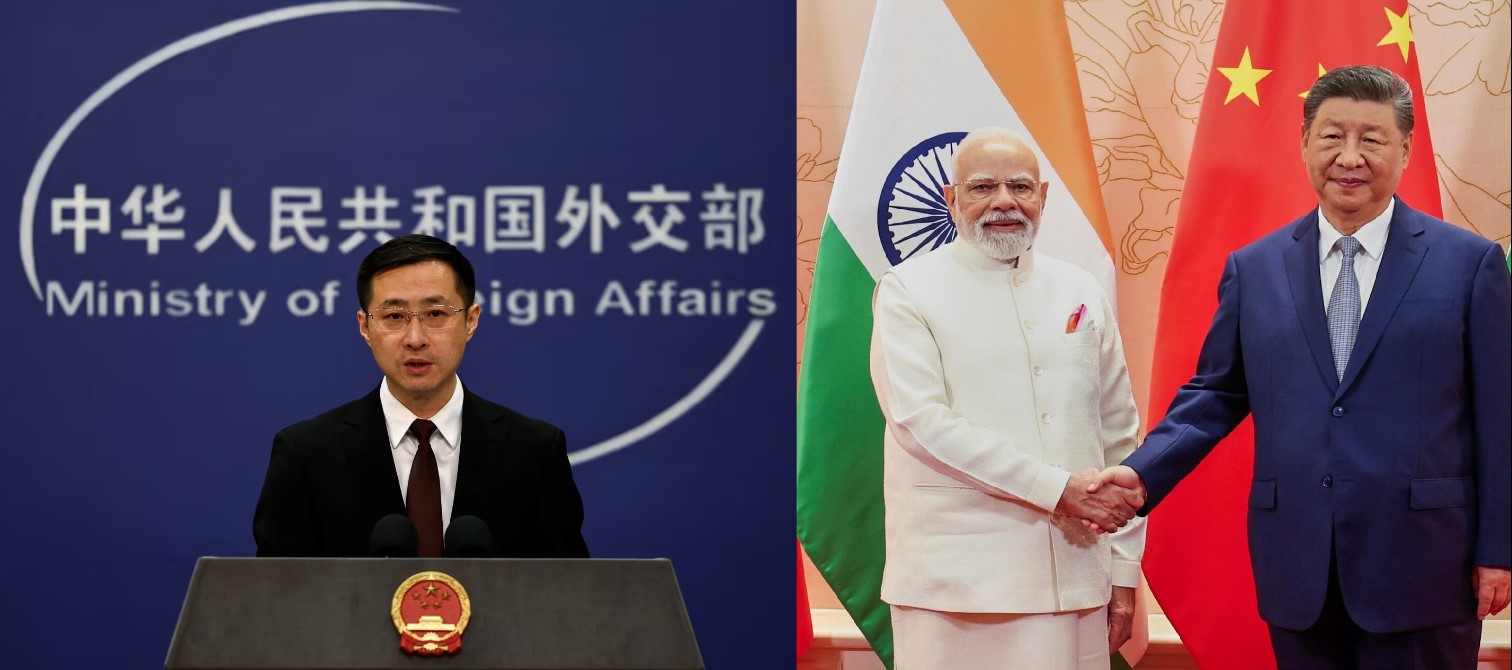
China on Friday announced sweeping sanctions against 10 U.S. individuals and 20 American defence companies, intensifying diplomatic and economic pressure on Washington following the approval of the largest-ever U.S. arms sales package to Taiwan.
The sanctions, issued by the Ministry of Foreign Affairs of the People's Republic of China, include asset freezes within mainland China and a blanket prohibition on Chinese organisations and citizens conducting any business with the listed firms and individuals.
Executives Blacklisted, Assets Frozen
Among the individuals sanctioned are the founder of Anduril Industries and nine senior executives from the affected defence companies. China has also imposed entry bans, barring all sanctioned individuals from travelling to or transiting through Chinese territory, including Hong Kong and Macau.
The companies named include major players in the U.S. defence-industrial complex, notably Boeing’s St. Louis defence division, Northrop Grumman Systems Corporation, L3Harris Maritime Services, and Anduril Industries. All are directly or indirectly involved in supplying advanced military systems to Taiwan.
Under the sanctions, any assets held by these entities or individuals in China will be frozen, and existing or future commercial cooperation with Chinese partners is strictly prohibited.
Trigger: $11.1 Billion U.S. Arms Deal With Taiwan
The move follows Washington’s announcement last week of $11.1 billion in military assistance and weapons sales to Taiwan, marking the largest U.S. defence package ever approved for the island. The deal reportedly includes air defence systems, surveillance equipment, missile components, and logistics support aimed at strengthening Taiwan’s deterrence capabilities.
Beijing has consistently condemned such arms sales, viewing them as direct interference in China’s internal affairs and a violation of U.S. commitments under past bilateral communiqués.
China Issues Sharp Warning to Washington
In a strongly worded statement, a Chinese foreign ministry spokesperson said the Taiwan issue represents “the core of China’s core interests” and constitutes “the first red line that cannot be crossed in China–U.S. relations.”
“Any provocative actions that cross the line on the Taiwan issue will be met with a strong response from China,” the spokesperson said, urging the United States to immediately halt what Beijing described as “dangerous and destabilising efforts” to arm the island.
Taiwan at the Centre of Great-Power Rivalry
China claims Taiwan as part of its sovereign territory and has not ruled out the use of force to achieve reunification. The democratically governed island, however, rejects Beijing’s claims and maintains that only Taiwan’s people can decide its future.
The United States does not formally recognise Taiwan as a sovereign state but is legally bound under the Taiwan Relations Act to provide Taipei with the means to defend itself. U.S. officials argue that arms sales are defensive in nature and intended to preserve peace and stability in the Taiwan Strait.
Strategic and Economic Implications
While the immediate financial impact of the sanctions on major U.S. defence firms is expected to be limited—given their relatively modest exposure to the Chinese market—analysts view the move as symbolic and strategic, signalling Beijing’s willingness to escalate retaliation amid deteriorating bilateral ties.
The sanctions add to a growing list of retaliatory measures exchanged between the world’s two largest economies, underscoring how Taiwan remains the most volatile and consequential flashpoint in U.S.–China relations.
As military posturing increases on both sides of the Taiwan Strait, Friday’s announcement highlights how economic tools and targeted sanctions are increasingly being used as instruments of geopolitical competition, with global security implications far beyond East Asia.
✍️ This article is written by the team of The Defense News.