China Developing "Digital Great Wall" A Multilayered Defense Against Drone Swarms For Naval Warships
In a significant advancement in military strategy, Chinese naval researchers have unveiled plans to construct a sophisticated defense system aimed at protecting warships from large-scale drone swarm attacks. This initiative, often referred to as a digital-age "Great Wall," integrates cutting-edge technologies to counter the evolving threat posed by low-cost, autonomous drones.
The Growing Threat of Drone Swarms
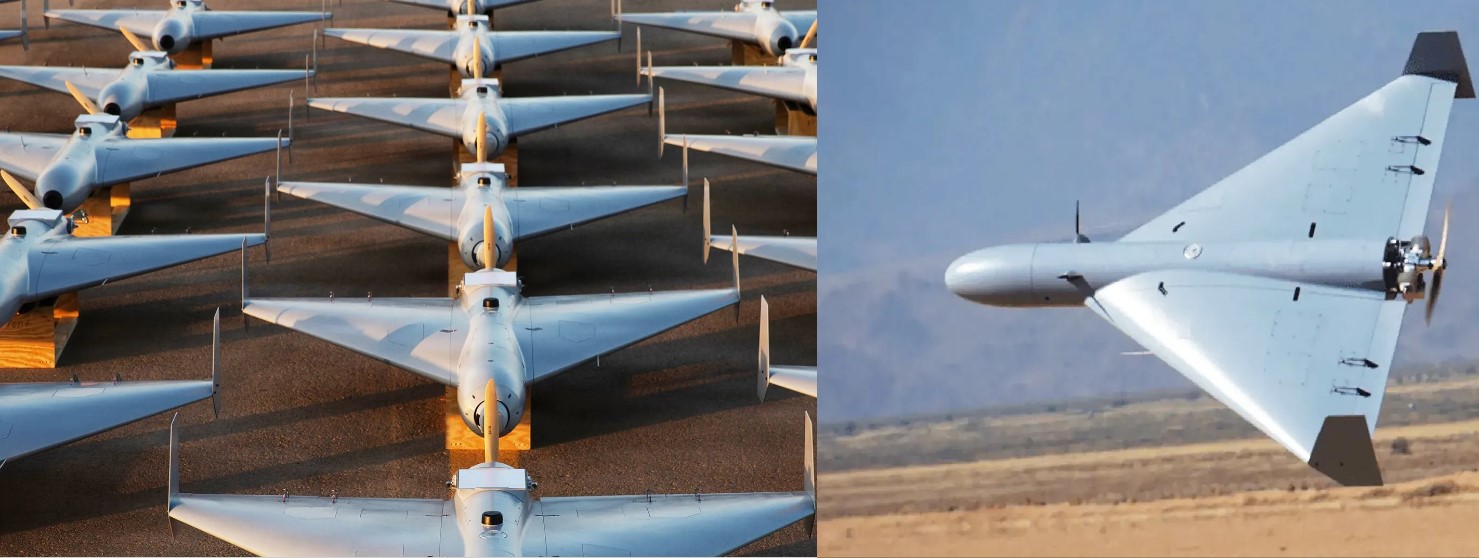
The proliferation of affordable drone technology has led to the emergence of drone swarms—groups of numerous drones operating in coordinated patterns. These swarms can overwhelm traditional defense systems due to their sheer numbers and ability to operate autonomously. Researchers at the PLA Navy's Dalian Naval Academy, led by Professor Guo Chuanfu, have highlighted the potential vulnerability of warships to such attacks, emphasizing the need for a comprehensive counter-swarm strategy.
Components of the Counter-Swarm System
The proposed defense architecture is a multilayered system designed to detect, disrupt, and neutralize drone swarms before they reach their targets. Key components of this system include:
-
AI-Powered Sensors: Utilizing artificial intelligence, these sensors can process vast amounts of data from various sources, including radar, infrared, and optical systems, to identify and track drone threats in real time.
-
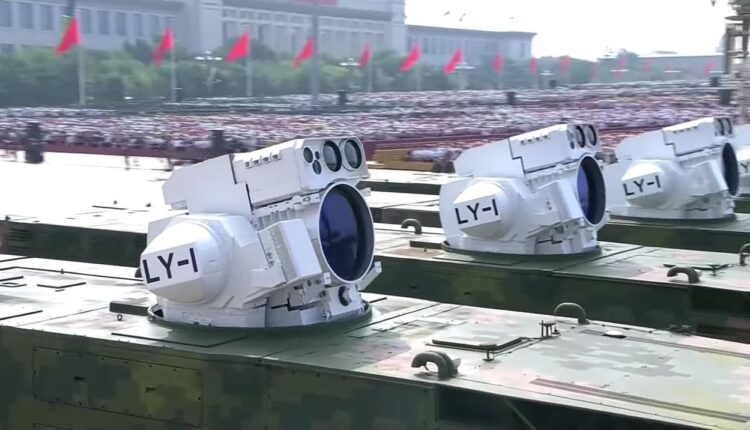
Directed-Energy Weapons: High-powered lasers and microwave beams are employed to disable or destroy drones mid-flight. The LY-1 laser system, showcased during China's recent military parade, is one such example designed for shipboard use.
-
Hypersonic Missiles: The CJ-1000 cruise missile, capable of striking targets at extended ranges, is integrated into the system to eliminate drone launch platforms or command centers.
-
Electronic Warfare Tools: Jammers and decoys are used to disrupt the communication and coordination of drone swarms, rendering them ineffective.
China's Drone Motherships: Zhu Hai Yun & Jiu Tian
To complement the "Digital Great Wall", China has developed advanced drone motherships:
Zhu Hai Yun
-
Type: Autonomous Research Vessel
-
Length: 88 meters
-
Beam: 14 meters
-
Displacement: 2,100 tonnes
-
Speed: 18 knots
-
Propulsion: Diesel-electric system with azimuth pod thrusters
-
Capabilities: Designed for uncrewed operations, serves as a launch platform for various unmanned systems, including drones and underwater vehicles
Jiu Tian
-
Type: Unmanned Aerial Vehicle (UAV) Carrier
-
Wingspan: 25 meters
-
Maximum Takeoff Weight: 16 tonnes
-
Range: Up to 7,000 kilometers (4,350 miles)
-
Altitude: Up to 15,000 meters (50,000 feet)
-
Payload: Can carry up to 6 tonnes of ammunition and small drones
-
Mission Types: Supports intelligence gathering, electronic warfare, emergency rescue, and high-security transport
-
Design: Features a modular bay for launching up to 100 smaller drones, including kamikaze UAVs
These motherships enhance China's ability to deploy and manage drone swarms, providing a strategic advantage in modern warfare.
Strategic Implications
The development of the "Digital Great Wall" and deployment of drone motherships like Zhu Hai Yun and Jiu Tian signify China's commitment to enhancing its naval capabilities against emerging threats.
These advancements reflect a broader trend towards intelligentized warfare, integrating AI, unmanned systems, and advanced weaponry. By establishing a comprehensive defense network, China aims to safeguard naval assets from the growing menace of drone swarms.
China's "Digital Great Wall" represents a forward-thinking approach to modern naval defense, leveraging cutting-edge technologies to counter the evolving threat of drone warfare. As global military strategies adapt to technological advancements, China's initiatives underscore the importance of innovation in maintaining strategic superiority.
✍️ This article is written by the team of The Defense News.