Castelion Raises $350 Million to Accelerate U.S Blackbeard Hypersonic Weapons Production
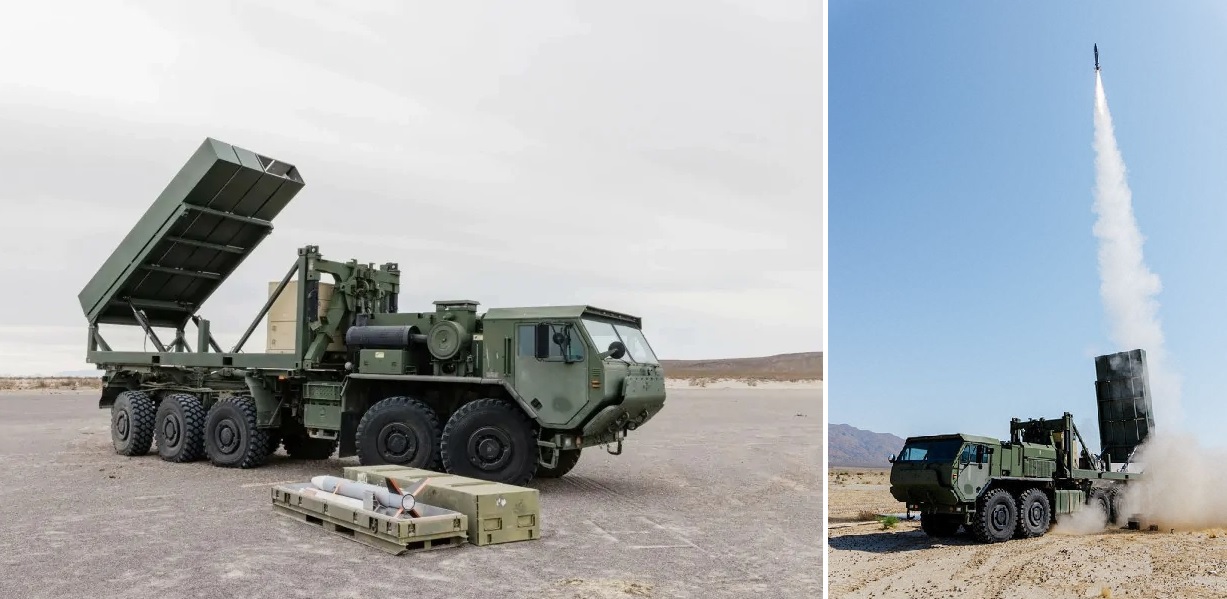
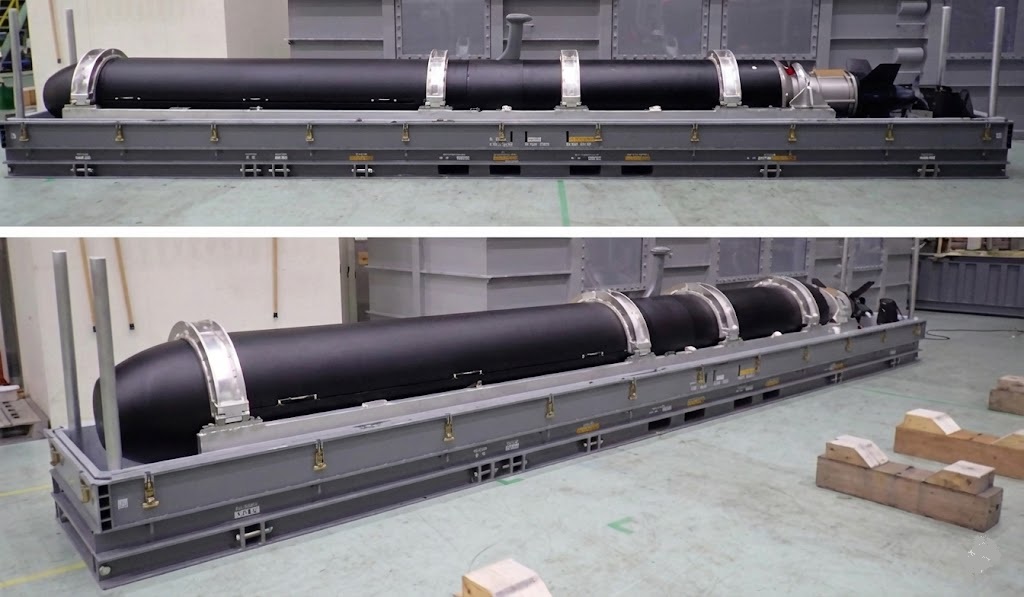
Castelion has secured $350 million in Series B funding to fast-track large-scale U.S. hypersonic missile production—one of the most significant private investments in the sector in recent years. The company said the capital will drive rapid expansion of its Blackbeard hypersonic weapon, support integration efforts with U.S. Army and Navy platforms, and accelerate America’s attempt to close a widening capability gap with China and Russia.
The round was led by Altimeter Capital and Lightspeed Venture Partners, joined by a formidable lineup of defence-focused investors including Lavrock Ventures, Andreessen Horowitz, General Catalyst, First In, Space VC, Cantos, BlueYard, Avenir, Champion Hill and Interlagos. Castelion emphasised that the new funding anchors the transition from experimental testing to industrial-scale production, aligning directly with the Pentagon’s push for faster procurement cycles and larger hypersonic stockpiles.
A Shift From Prototype to Production
Castelion said the financing will unlock major development milestones, notably the build-out of Project Ranger, the company’s final-assembly and high-rate-production facility in Sandoval County, New Mexico. Announced in November, the 1,000-acre site is set to become one of the largest solid-rocket-motor manufacturing campuses in the country. Once operational, it will host tooling, qualification lines, assembly halls, testing bays and workforce training complexes designed to support the mass-manufacturing era of hypersonic weapons.
Officials said Project Ranger is envisioned to produce thousands of Blackbeard missiles annually, supported by “hundreds” of new industrial and engineering jobs. The facility is expected to begin key commissioning activities in 2026, alongside multi-service testing that will validate the weapon for future Army and Navy deployments.
Blackbeard: A Rapidly Developed Hypersonic System
CEO and co-founder Bryon Hargis described the Blackbeard program as a response to an urgent national-security gap.
“Blackbeard helps close America’s hypersonic capability deficit,” Hargis said. “This funding lets us build fast, test often and produce at volumes that matter in the real world.”
Castelion notes that its engineering approach—driven heavily by automation, additive manufacturing and simplified subsystem design—aims to shrink traditional missile-development timelines from years to months. By the end of 2025, the company had completed more than 20 development flight tests, validating solid-rocket motors, guidance and control systems, thermal-protection solutions, seekers and mission software.
Industry analysts say Castelion’s “move-fast” methodology closely mirrors the prototyping culture at SpaceX, which several of the company’s founders previously worked for.
Investors Cite Speed, Scale and Strategic Alignment
Altimeter Capital partner Erik Kriessmann praised the velocity of the programme:
“This team took a clean-sheet hypersonic from concept to 25+ flight tests and major integration contracts in just 2.5 years. We’re leading this round so they can now scale production from hundreds to thousands of missiles per year.”
Lightspeed’s Connor Love said Castelion is rebuilding the industrial depth the U.S. defence sector has struggled to regain:
“They’ve proven they can move from blank-sheet design to hardware under test faster than anyone expected. This isn’t just about missiles—it’s about restoring America’s manufacturing base.”
Other investors highlighted the geopolitical stakes.
Lavrock Ventures’ Alex Poulin said hypersonics only matter if they can be produced at scale, while Andreessen Horowitz partner Katherine Boyle noted that China deployed mass-produced hypersonics nearly a decade ago.
“Castelion leads America’s arsenal renewal with the speed, scale and cost advantage our nation demands,” she said.
General Catalyst managing director Paul Kwan described the programme as a transformation of defence-industrial economics:
“Modern deterrence demands capabilities at a pace and scale the U.S. hasn’t seen before.”
A Strategic Response to Global Hypersonic Competition
The Pentagon has repeatedly warned Congress that both China and Russia maintain a clear lead in operational, deployable hypersonic weapons. China’s DF-17 hypersonic glide vehicle is already fielded in significant numbers, and Russian forces have employed Kinzhal missiles in Ukraine.
By contrast, the U.S. has struggled with test failures, cost overruns and slow production pipelines. Castelion’s system is positioned as a lower-cost, mass-manufacturable solution to this capability gap. Defence officials familiar with the programme say Blackbeard is designed with simplified manufacturing processes, modular subsystems and streamlined supply chains—features intended to reduce barriers to mass production.
What Comes Next
Castelion plans high-tempo testing throughout 2026, including demonstrations across multiple service branches. In parallel, the company will begin development of a second hypersonic weapon, leveraging the same manufacturing infrastructure.
The combination of rapid design cycles, private-sector capital, and an industrial complex purpose-built for scale marks a decisive shift in how hypersonic weapons are brought to maturity in the U.S.
With its latest funding round, Castelion has signalled that America’s next phase of hypersonic development will not be measured in prototypes, but in production lines capable of delivering weapons at strategic volumes—a requirement that Pentagon leaders increasingly view as essential to future deterrence.
About the Author
Aditya Kumar:
Defense & Geopolitics Analyst
Aditya Kumar tracks military developments in South Asia, specializing in Indian missile technology and naval strategy.