Canadian MP Alleges Turkey Is Shipping Russian Arms to Sudan’s Muslim Brotherhood Forces
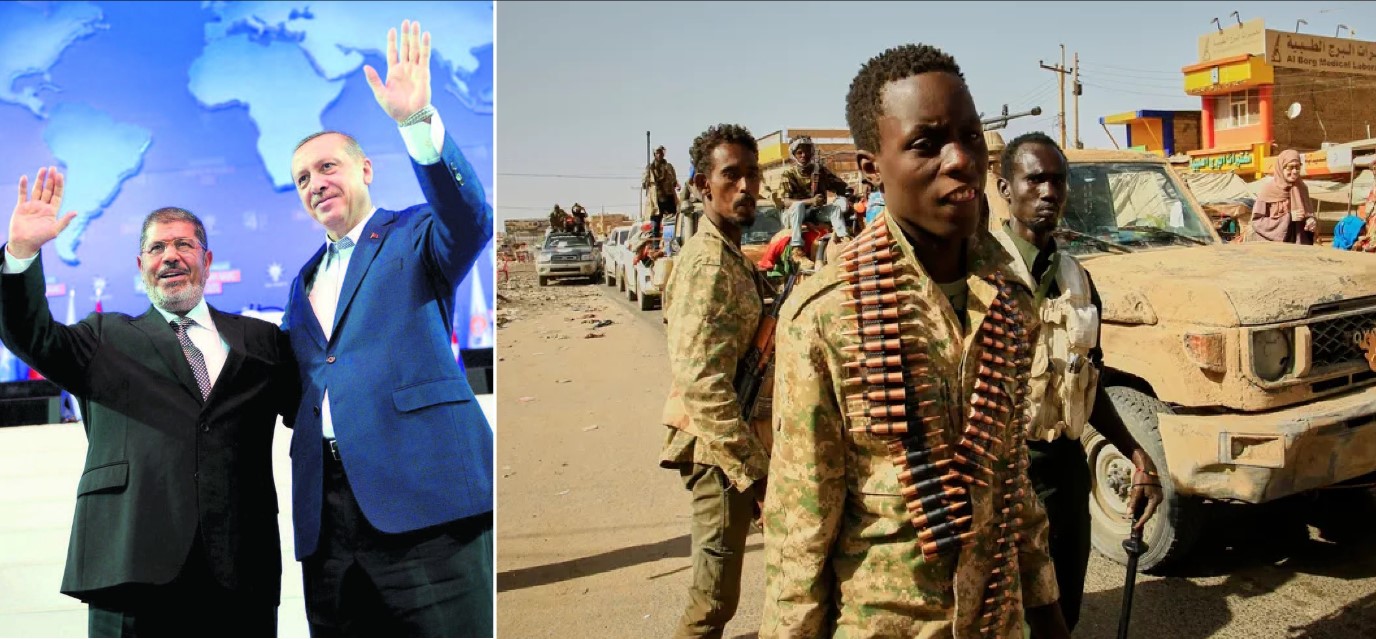
Sudan’s catastrophic civil war is once again under the international microscope after a Canadian lawmaker alleged that Turkey has been transporting Russian-made weapons to a Muslim Brotherhood–influenced faction inside Sudan, a move he says is prolonging the conflict and enabling the use of child soldiers.
The statement, delivered before the House of Commons of Canada, has intensified debate over the growing role foreign powers play in fuelling one of the world’s deadliest wars.
A War Held Together by Outside Support
For nearly two years, Sudan has been torn apart by clashes between the Sudanese Armed Forces (SAF) and the Rapid Support Forces (RSF). What began as a power struggle between two rival generals has spiraled into a regionalized conflict shaped by foreign weapons, secretive logistics hubs, and competing geopolitical agendas.
Humanitarian agencies say millions are displaced and entire cities have been emptied, but the flow of arms has not slowed. Instead, it has grown more sophisticated.
Investigators tracing weapons found on battlefields have identified stockpiles from Russia, Türkiye, Iran, China, Serbia, and the Gulf region, steadily feeding both sides despite international calls for a ceasefire.
The Canadian Statement That Sparked Diplomatic Questions
The controversy escalated this week when a Canadian parliamentarian publicly claimed that “weapons made in Russia but delivered by Turkey” were reaching Sudan’s Islamist-aligned military networks.
He described Port Sudan as a crossroads for “authoritarian transactions,” adding that the receiving force “is now using children as soldiers.”
While Ankara insists it has not armed either faction, multiple investigations—most notably by international media and weapons-monitoring groups—have documented Turkish-built drones, munitions, and surveillance systems in the hands of Sudan’s regular army.
The claim that Turkey may also be a transit route for Russian weapons is harder to verify but aligns with longstanding suspicions about brokerage networks operating between the two countries.
Islamist Influence and Old Networks Re-emerging
The reference to a “Muslim Brotherhood–led army” reflects the renewed visibility of Islamist factions embedded within the SAF’s senior leadership.
These networks date back to the era of former president Omar al-Bashir, whose government openly embraced Muslim Brotherhood–aligned ideologies and empowered religious-security institutions inside the armed forces.
Since the civil war began, several of these figures have resurfaced, forming militias, advising commanders, and shaping the SAF’s political messaging—prompting alarm from regional governments that view the Brotherhood as a national-security threat.
None are more outspoken than the United Arab Emirates, which officially banned the Muslim Brotherhood in 2014 and labels its affiliates as terrorist organizations. The Canadian MP invoked the UAE’s ban as evidence of how divisive the Brotherhood’s role has become across the region.
Child Soldiers: The War’s Darkest Chapter
Beyond weapons and ideology, the allegation touches on one of Sudan’s most horrific realities:
the recruitment of children.
UN monitors and humanitarian workers confirm that both the SAF and RSF have deployed underage fighters. Photographs, testimonies, and field reports describe boys barely in their teens carrying rifles, manning checkpoints, and fighting in urban trenches.
The practice has escalated amid food shortages, mass displacement, and forced recruitment campaigns in rural areas. Rights groups warn that Sudan is now facing a “generational catastrophe.”
Turkey’s Interests: A Mix of Power, Influence, and Industry
Turkey’s alleged involvement in Sudan is often explained through a blend of strategic and economic factors:
-
Defense exports have become a pillar of Turkish foreign policy, especially with drone manufacturers seeking new markets.
-
Access to the Red Sea remains an attractive geopolitical asset, with Sudan offering mining deals and port-development rights in exchange for military support.
-
Historic ties to Islamist movements, including Brotherhood-linked networks, shape Ankara’s political relationships across the region.
This combination has made Türkiye an influential—if controversial—actor in several regional conflicts, from Libya to the South Caucasus, and now Sudan.
A Conflict Increasingly Defined by Foreign Hands
Sudan’s war is no longer just a domestic clash—it has become a proxy struggle shaped by ideological rivals, arms exporters, and states seeking influence along the Red Sea.
The Canadian allegation does not change the military balance on the ground, but it has amplified calls for accountability. Lawmakers in Ottawa and other Western capitals are now pushing for tighter export controls, new investigations into the arms pipeline, and greater scrutiny of both Türkiye and Russia.
For Sudanese civilians, however, the message is grimly familiar:
as long as foreign weapons keep flowing, the war—and its atrocities—will continue.
About the Author
Aditya Kumar:
Defense & Geopolitics Analyst
Aditya Kumar tracks military developments in South Asia, specializing in Indian missile technology and naval strategy.