Can Earth Horizon Radars Really See Through Stealth ?

World
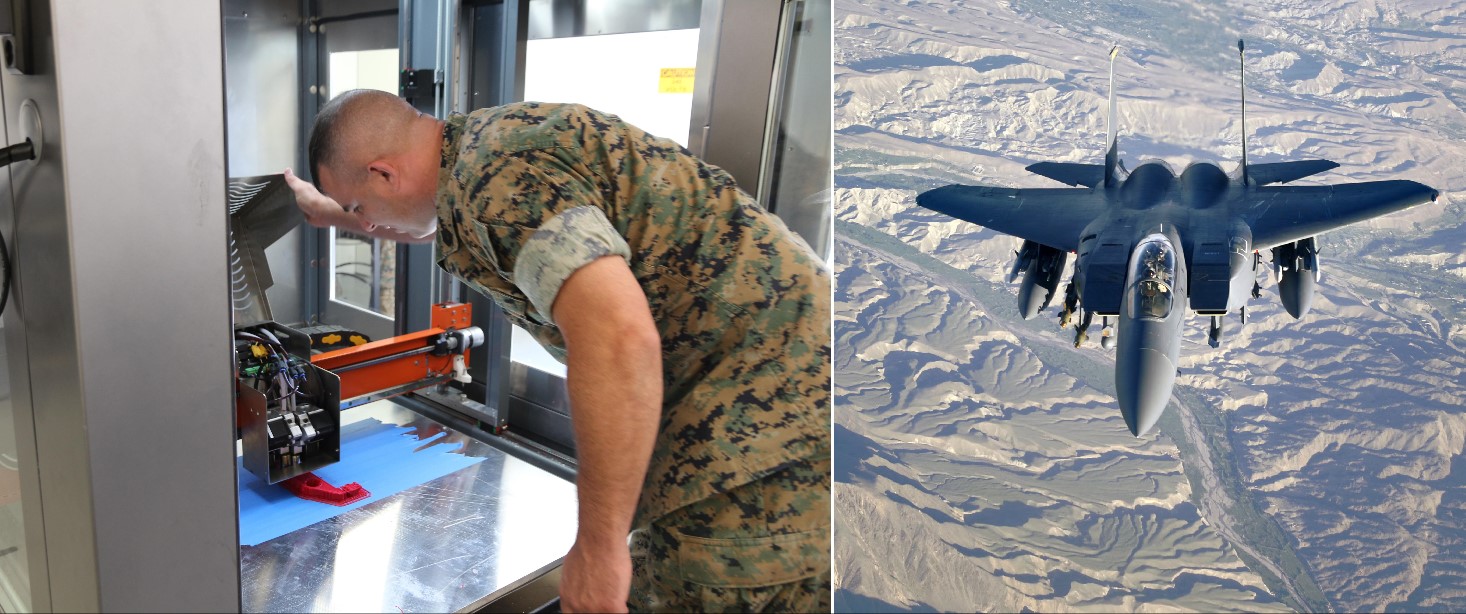
Stealth aircraft, designed to minimize their radar signature, pose a significant challenge for traditional air defense systems. But what about Earth horizon radars? Can they pierce the veil of invisibility surrounding these advanced jets?
The truth is, there's no single "Earth horizon radar" specifically designed for stealth detection. However, there are radar technologies that can be effective in this role, and understanding the Earth's curvature plays a part.
Traditional Radar vs. Stealth
Traditional radars work by emitting radio waves and analyzing the reflections that bounce back from objects. Stealth aircraft, however, are designed to absorb or deflect these waves, significantly reducing their radar cross-section (RCS) – essentially making them appear much smaller on radar.
Earth Horizon and Detection Challenges
The Earth's curvature creates a limitation for traditional line-of-sight radars. There's a point beyond which the radar beam dips below the horizon, creating a blind spot for low-flying targets. This is the radar horizon.
Here's where things get interesting:
- Over-the-Horizon Radars (OTH): These systems exploit the ionosphere, a layer of the atmosphere that can refract radio waves. By bouncing signals off the ionosphere, OTH radars can "see" beyond the horizon, potentially detecting targets at much greater distances, including those that might be trying to remain hidden by hugging the Earth's surface.
Beyond the Horizon: Other Stealth Counters
OTH radars are just one approach. Here are other methods that can complement them:
- Low-Frequency Radars: While stealth aircraft are optimized to deflect higher-frequency radar waves, low-frequency radars can be less susceptible to these techniques. Their longer wavelengths can interact with the aircraft's structure in ways that provide a signature.
- Multistatic Radars: These systems use multiple radar stations spread out geographically. By analyzing the signals from different locations, they can build a more complete picture of a target's position and characteristics, potentially revealing a stealth aircraft even if its RCS is low from a single direction.
The Evolving Chess Game
It's important to remember that stealth technology and radar detection methods are constantly evolving. As radar systems improve their ability to exploit weaknesses in stealth design, aircraft developers will undoubtedly refine their techniques to minimize their signatures.
The Earth horizon might not be a singular solution, but it plays a role in the broader strategy of air defense. By combining various radar technologies and exploiting the properties of the Earth's atmosphere, militaries can enhance their ability to detect even the most elusive aircraft.
✍️ This article is written by the team of The Defense News.