British Firm Hybrid Air Vehicles Expands to U.S. with Innovative Airlander Aircraft
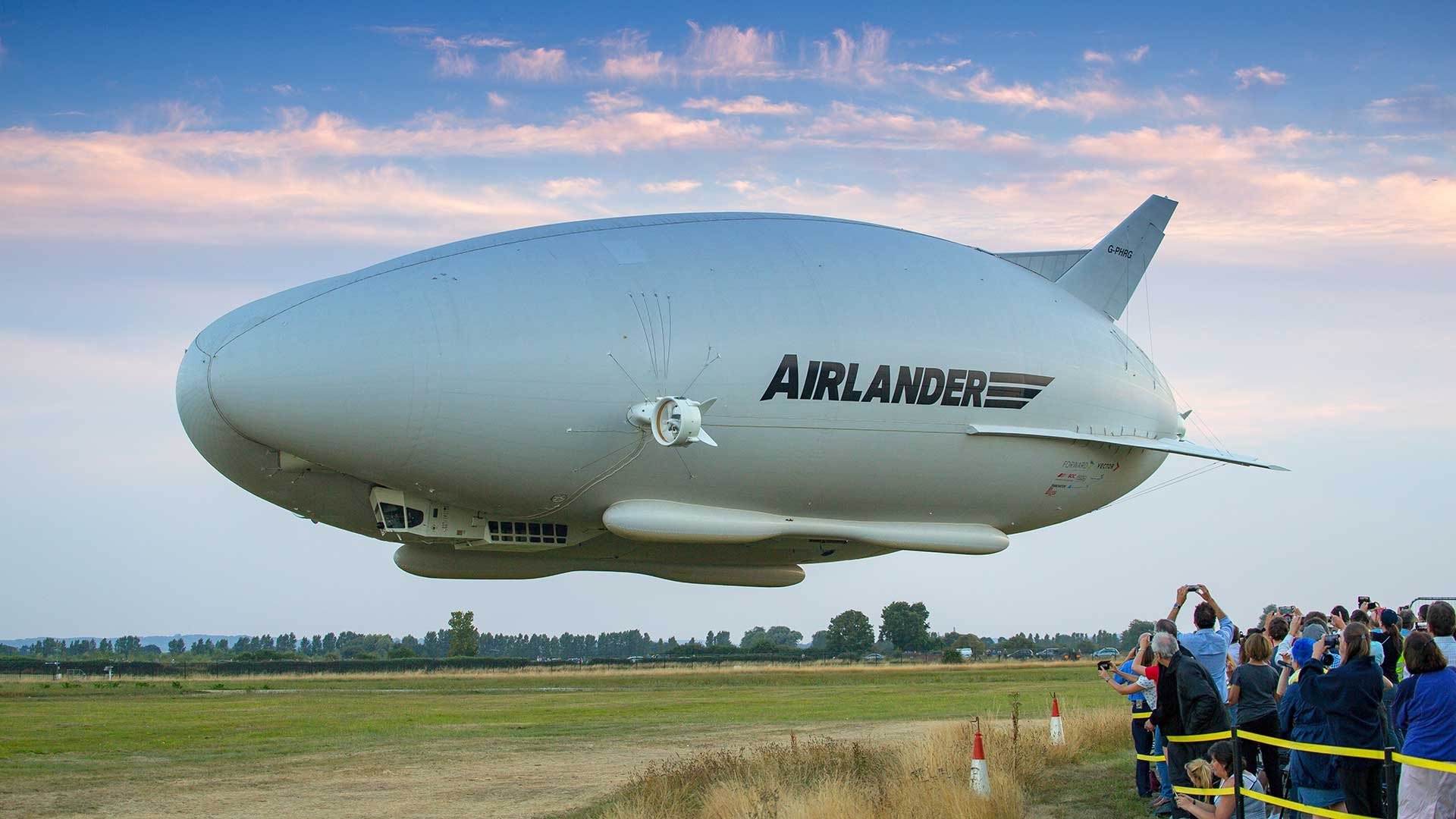
In a major leap toward international expansion, British aerospace company Hybrid Air Vehicles (HAV) has officially entered the U.S. market by launching its new American branch, Hybrid Air Vehicles USA. This move comes at a time of growing U.S. government and industry interest in next-generation aerial platforms for both civilian and defense use.
The newly formed subsidiary will focus on building partnerships with U.S. government agencies, aerospace companies, and commercial operators, particularly in the fields of passenger and cargo transport. HAV sees the United States as a key growth area, especially given rising demand for innovative, low-emission aircraft and long-endurance aerial systems.
“Establishing a presence in the United States marks a new chapter in our international journey,” said Tom Grundy, CEO of Hybrid Air Vehicles. “We’re excited to bring our vision to new audiences and forge deeper partnerships across borders.”
To lead the U.S. operations, John Schumacher has been appointed as President of HAV USA. With an impressive background that includes 16 years at NASA and senior roles in U.S. space and missile programs, Schumacher brings crucial experience to the table. He emphasized that Airlander’s hybrid roots—British engineering and American innovation—will benefit U.S. national security and commerce alike.
What Is Hybrid Air Vehicles?
Hybrid Air Vehicles is a British company pioneering a new type of aircraft known as the Airlander. The Airlander combines elements of airplanes, helicopters, and airships, offering a unique design that allows it to:
-
Take off and land vertically, like a helicopter
-
Fly long distances with minimal fuel consumption
-
Remain airborne for up to five days
-
Operate from rough or unprepared terrain
The first production model, Airlander 10, is nearing the final stages of planning and development. It can:
-
Carry 100+ passengers
-
Transport 10 tons of cargo
-
Be configured for missions like surveillance, communications, and disaster response
Future versions of the Airlander may have even more capability. HAV plans to develop larger variants that could transport up to 200 tons, making them especially useful in remote, military, or disaster-struck areas where traditional transport options are limited.
Why the U.S. Market Matters
With the U.S. government placing increasing emphasis on sustainable aviation, aerial logistics, and disaster resilience, HAV's entry is timely. The U.S. military and civilian agencies are looking for low-carbon, versatile aerial platforms that can perform a range of tasks—from moving supplies to remote bases to providing emergency aid and aerial surveillance. Airlander fits that need.
HAV's expansion will also enable tighter collaboration with U.S. defense contractors, space agencies, and emergency services. It may pave the way for joint projects in surveillance, homeland security, and even space infrastructure support.
As HAV USA begins operations, the company looks set to play a significant role in shaping the future of sustainable and flexible air mobility in North America. With innovation at its core, Airlander could soon be a familiar sight in U.S. skies—quietly floating above, performing missions from cargo delivery to crisis response.
✍️ This article is written by the team of The Defense News.