Brazilian President Lula Rejects Trump Talks, Turns to BRICS Leaders Over Tariff Dispute

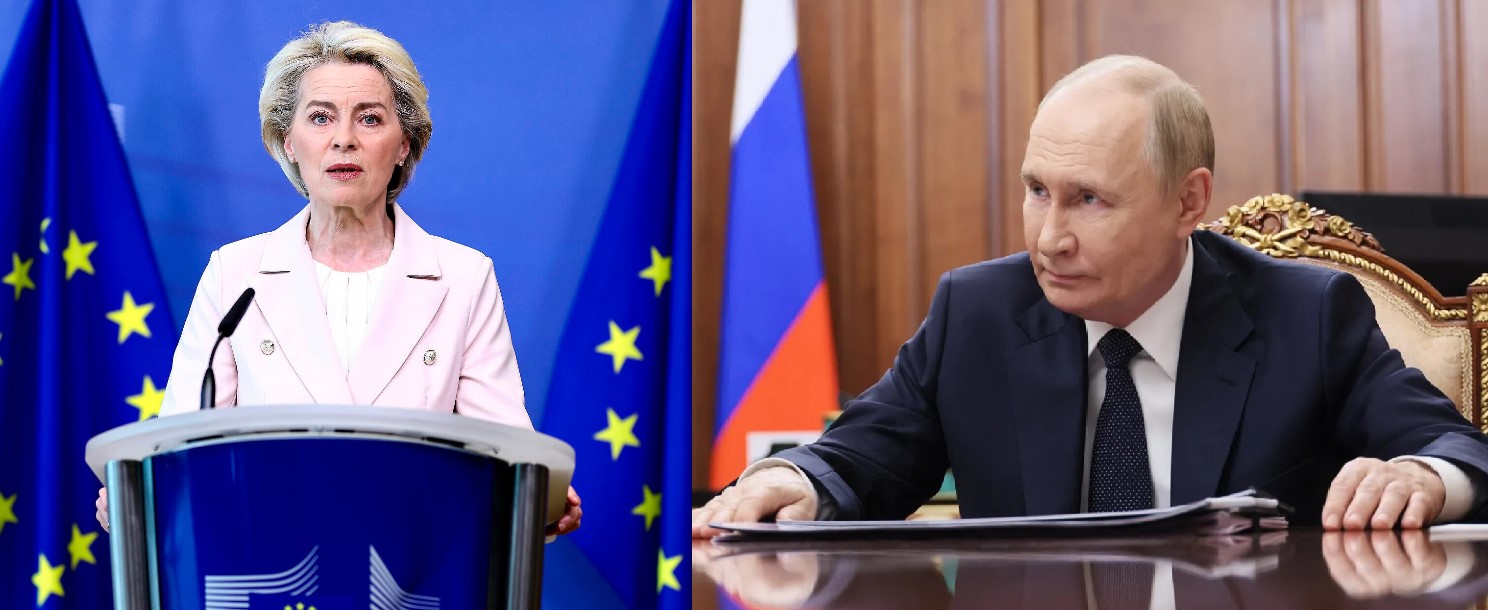
In a sharp rebuke to former U.S. President Donald Trump, Brazilian President Luiz Inácio Lula da Silva has publicly ruled out direct negotiations with Washington over the newly imposed tariffs on Brazilian goods, instead pledging to open dialogue with key BRICS leaders including China’s Xi Jinping, India’s Narendra Modi, and Russia’s Vladimir Putin.
Lula’s response came after Trump introduced sweeping 50% tariffs on several Brazilian exports, triggering a diplomatic rift between the two nations. The move, widely seen as politically motivated, has been criticized by Brazilian officials as a “retaliatory attack” on Brazil’s independent judiciary and sovereign legal process against former President Jair Bolsonaro, a close Trump ally.
“I’m not going to call Trump,” Lula said at a press conference in Brasília. “He doesn’t want to talk. I will call Xi Jinping, I will call Narendra Modi, and I will speak to my BRICS partners. That’s where global cooperation must happen.”
The Brazilian president further said he had no interest in bilateral discussions with someone who imposes economic punishment “without warning and without reason.”
Trade Relations at Risk
The tariffs announced by Trump last week affect a range of Brazilian exports, including agricultural products such as coffee, beef, and orange juice, as well as industrial goods like steel and auto components. Though nearly 700 product categories were exempted, the announcement sent shockwaves through Brazil’s export sector.
According to data from Brazil’s Ministry of Economy, only about 12% of the country’s exports are U.S.-bound, compared to nearly 28% that go to China. Lula’s decision to pivot towards Asian and BRICS partners highlights a broader realignment in Brazil’s foreign policy amid growing frustrations with Washington.
Rebuffing Trump’s Gesture
Trump, speaking at a recent campaign rally, had said Lula “can call me anytime,” implying the door was open for negotiation. Lula swiftly rejected that notion.
“Trump imposed sanctions. He didn’t call. He didn’t meet us halfway. That’s not diplomacy,” Lula said. “We will not let our dignity be trampled. Brazil’s institutions are not up for negotiation.”
While Lula confirmed he would extend an invitation to Trump to attend the COP30 climate summit hosted by Brazil in November, he emphasized that such an appearance would not be about trade talks, but rather about the U.S. position on global climate commitments.
Turning to BRICS
Brazil’s outreach to Xi Jinping and Narendra Modi signals a renewed effort to strengthen BRICS economic cooperation. Officials in Brasília indicated that Lula aims to hold a virtual summit with BRICS heads of state in the coming weeks to discuss trade realignment, global governance reforms, and collective responses to Western protectionism.
India and China, both heavily invested in the BRICS framework, are likely to support Brazil’s calls for greater South-South economic solidarity. Lula also hinted at possible WTO action to challenge the legality of Trump’s tariffs.
Russia’s Vladimir Putin is also expected to be consulted, though his travel restrictions limit face-to-face meetings. Lula has previously stated that Brazil respects all BRICS partners and will continue pursuing cooperation “without ideological bias.”
Domestic Reaction and Broader Impact
In Brazil, Lula’s stance has drawn praise across the political spectrum, with even some conservative lawmakers backing the call for a multilateral response. Trade unions and agricultural cooperatives also voiced support, saying the U.S. measures were unjust and Brazil must seek new markets.
Economists suggest the direct impact of the tariffs will be limited due to Brazil’s diversified trade portfolio. However, they warn of increased geopolitical tension and potential ripple effects in Latin America, where U.S. influence is already declining.
Final Word
Lula’s decision not to engage with Trump marks a clear break from traditional U.S.-Brazil diplomatic channels and underscores a broader global shift. As major powers like Brazil increasingly look East and to the Global South, Washington may find its unilateral approach to trade diplomacy facing growing resistance.
“The world is changing,” Lula said. “And Brazil is ready to lead—not by following orders, but by building fair and equal partnerships.”
✍️ This article is written by the team of The Defense News.