BrahMos Aerospace Develops High-Performance Afterburner for Dry Kaveri Engine, Aiming for 80kN Thrust
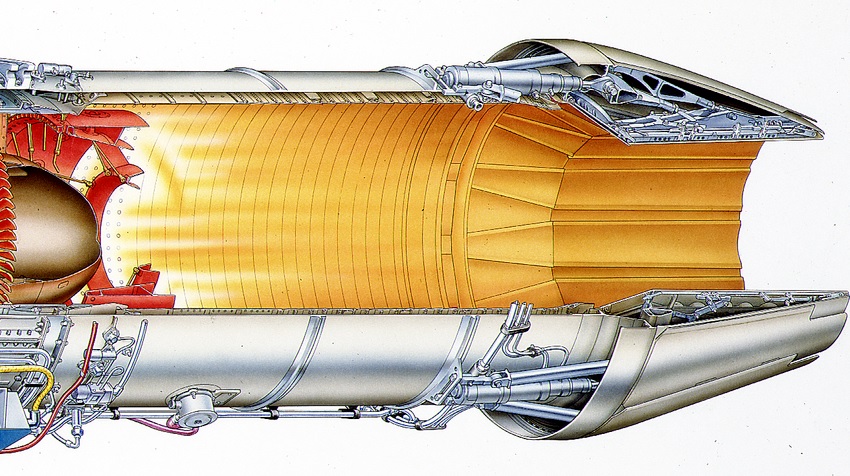
BrahMos Aerospace, renowned for its supersonic cruise missiles, is charting new territory by developing a cutting-edge afterburner for the Dry Kaveri engine. This ambitious project, aimed at boosting the engine's thrust to a remarkable 80kN, marks a significant leap in India’s pursuit of indigenous aerospace technology. The advanced afterburner, designed entirely from scratch, integrates innovative materials and engineering methods to meet the demanding thermal and mechanical requirements of high-performance engines.
The new afterburner, tailored specifically for the Dry Kaveri engine—a non-afterburning variant from the Kaveri family developed by the Gas Turbine Research Establishment (GTRE) under DRDO—adds a robust 29kN of thrust. This addition ensures the engine achieves its full potential, elevating its capability to compete with global powerplants.
The Dry Kaveri engine itself has been a cornerstone of India’s efforts to create a reliable, indigenous engine for aerospace applications. While its original design lacked an afterburner, this new development bridges that gap, offering enhanced performance essential for advanced fighter aircraft and other high-thrust platforms.
Advanced Engineering Meets Indigenous Innovation
BrahMos Aerospace's role in developing this sophisticated afterburner is pivotal. The component has been built from the ground up, leveraging advanced materials capable of withstanding extreme temperatures and stress conditions. The engineering process integrates cutting-edge thermal management systems, ensuring efficiency and durability under operational demands.
Once integrated, the afterburner section will undergo rigorous testing to validate its performance and reliability in real-world scenarios. The tests will focus on ensuring seamless operation, sustained thrust delivery, and adaptability to diverse aerospace platforms.
Strategic Implications for India's Defence Capabilities
The successful completion of this project could have far-reaching implications for India's defence ecosystem. An enhanced Dry Kaveri engine could power a range of indigenous platforms, from unmanned aerial vehicles (UAVs) to next-generation fighter aircraft and advanced cruise missiles. The added thrust and efficiency could also make it an attractive option for export markets, further cementing India’s position in global aerospace technology.
This initiative also highlights the expanding role of BrahMos Aerospace beyond its traditional focus on supersonic missiles. By venturing into high-performance engine technology, the organization is broadening its contributions to India's strategic goals of self-reliance in critical defence systems.
Collaborative Efforts Drive Success
The collaboration between BrahMos Aerospace, GTRE, and other stakeholders showcases a cohesive approach to overcoming complex technical challenges. By pooling expertise and resources, these entities are creating a foundation for sustained innovation in indigenous aerospace development.
As India continues its journey toward achieving autonomy in defence technology, projects like the development of the Dry Kaveri engine and its advanced afterburner underscore the nation’s commitment to excellence. Once operational, this engine could serve as a cornerstone of India’s aerospace ambitions, powering platforms that rival the best in the world.
✍️ This article is written by the team of The Defense News.