Bankrupt Pakistan Looks to Arms Exports, Offers JF-17 Jets to Settle Saudi Debt
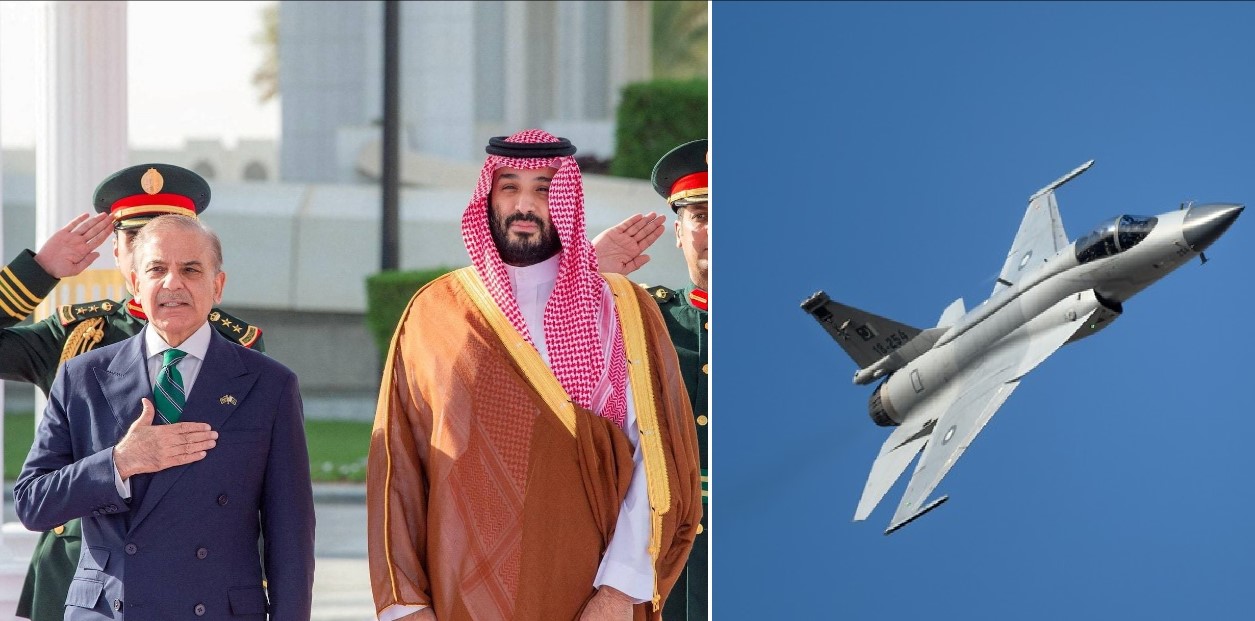
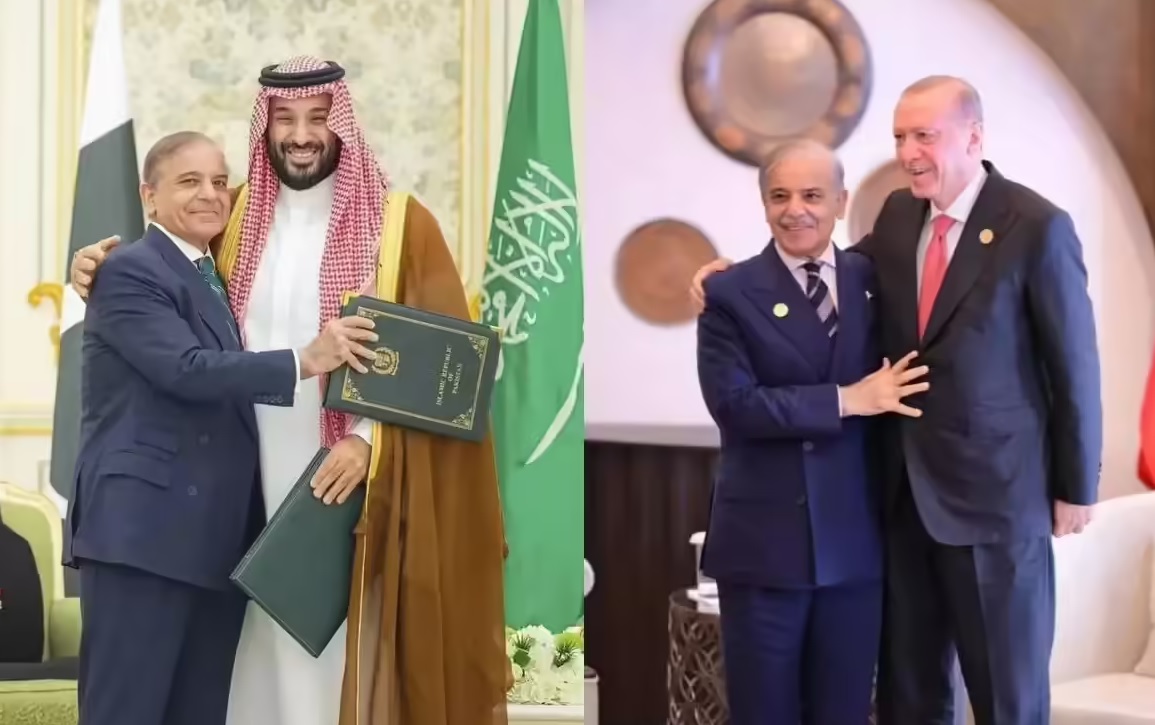
Islamabad — Facing an acute foreign exchange shortage and mounting external liabilities, Pakistan has explored an extraordinary option to manage its sovereign debt: offering combat aircraft in place of cash repayment. According to defense and financial sources familiar with the matter, Islamabad has proposed converting USD 2 billion in Saudi loans into a fighter jet deal built around the JF-17 Thunder, as part of a broader USD 4 billion defense package that would also include weapons, training, spares, and long-term support.
The discussions, though exploratory, underline the severity of Pakistan’s financial stress, as conventional debt servicing has become increasingly difficult amid shrinking reserves and repeated rollover negotiations.
Saudi Loans at the Center of Talks
Saudi Arabia has long been one of Pakistan’s most important financial lifelines, extending oil credit facilities, deposits, and direct loans during balance-of-payments crises. The latest proposal reportedly seeks to restructure roughly USD 2 billion in existing Saudi loans by converting them into a defense procurement arrangement, while an additional USD 2 billion would be linked to associated equipment and services.
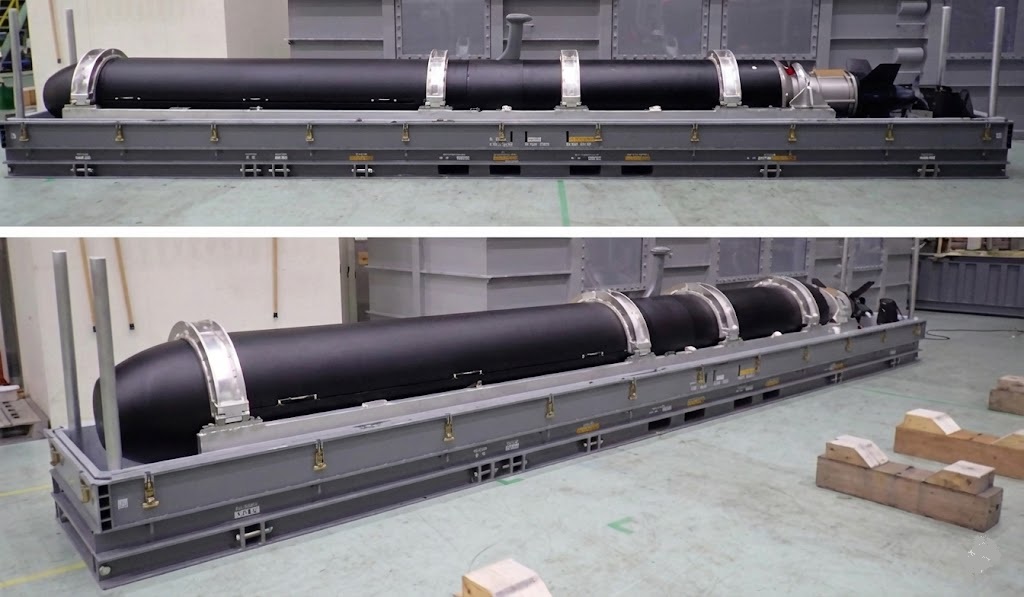
The core of the offer is the JF-17 Thunder, a single-engine multirole fighter jointly developed by Pakistan and China and manufactured at the Pakistan Aeronautical Complex. Marketed internationally as a cost-effective alternative to Western aircraft, the JF-17 has been pitched to multiple developing air forces over the past decade.
There has been no official confirmation from Saudi Arabia, and defense analysts note that Riyadh already operates a technologically advanced air fleet. Nonetheless, the very consideration of such a proposal reflects the depth of Pakistan’s fiscal constraints.
Cash Crunch Drives Unconventional Diplomacy
Pakistan’s total external debt now exceeds USD 125 billion, with significant repayments due annually. Foreign exchange reserves have frequently hovered near critically low levels, forcing Islamabad to rely on emergency financing, friendly deposits, and International Monetary Fund programs to avert default.
Against this backdrop, defense exports are being positioned as a substitute source of value where cash is unavailable. Analysts describe the reported jet-for-debt concept as a form of barter diplomacy, rarely seen in modern sovereign finance. “When arms exports are discussed as an alternative to loan repayment, it signals that liquidity pressures have crossed into structural distress,” said a South Asian economic analyst.
Bangladesh Also Approached
In parallel, Pakistan has also sounded out Bangladesh regarding potential JF-17 purchases, according to regional defense sources. Bangladesh has been assessing options to modernize its combat aircraft fleet, but any deal would depend on financing terms, political considerations, and operational compatibility.
For Islamabad, even preliminary outreach serves a broader objective: expanding the pool of potential buyers to generate foreign inflows or debt offsets at a time when traditional funding channels are under strain.
Limits of Arms Exports as Debt Relief
Defense industry experts caution that fighter jet exports are unlikely to provide immediate relief on the scale required. Aircraft sales are typically spread over several years and often involve buyer financing, which reduces near-term cash benefits for the seller. Moreover, the JF-17 competes in a crowded market against more established platforms, limiting its ability to absorb large volumes of sovereign debt.
Economists also warn that overreliance on military exports risks diverting attention from fiscal reform, export diversification, and industrial restructuring—areas repeatedly highlighted by international lenders as critical for long-term stability.
A Stark Signal to Creditors
While no agreement has been announced, the reported discussions have already sent a strong signal to markets and creditors. The notion of converting loans into weapons contracts underscores how narrow Pakistan’s options have become. As one regional economist noted, “When debt negotiations begin to resemble barter deals, the message is clear: the crisis is no longer hidden, it is structural.”
As Pakistan continues talks with lenders and strategic partners, the episode highlights the growing intersection between economic survival and defense diplomacy—an overlap driven less by strategy than by financial necessity.
About the Author
Aditya Kumar:
Defense & Geopolitics Analyst
Aditya Kumar tracks military developments in South Asia, specializing in Indian missile technology and naval strategy.