Bangladesh-Based Terror Suspects Target Siliguri Corridor: A Plot to Destabilize Northeast India
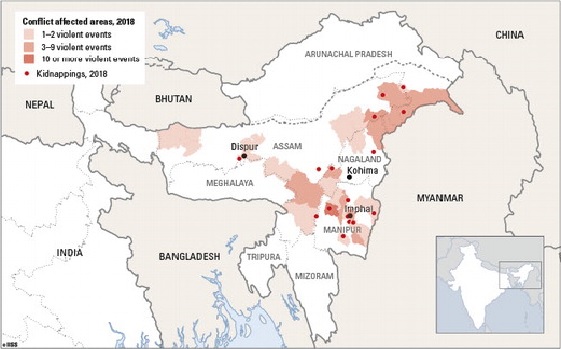
The recent arrest of eight suspected members of the terror outfit Ansar-al-Islam Bangladesh has brought to light a sinister plan targeting India's strategic Siliguri Corridor, also known as the Chicken’s Neck. This narrow stretch of land in West Bengal connects India’s northeastern states with the rest of the country, making it a critical lifeline. The suspects, apprehended through coordinated operations by the West Bengal, Kerala, and Assam police, were allegedly plotting synchronized attacks to create widespread instability in the region.
Unveiling the Plot
According to West Bengal Police ADG Supratim Sarkar, the terror suspects had been active since August, operating sleeper cells in Murshidabad and Alipurduar districts. The police recovered a 16 GB pen drive, fake identity cards, and jihadi literature from two suspects, Abbas Ali and Minarul Sheikh, during the arrests in Murshidabad. Investigations revealed plans to target the Siliguri Corridor, foment unrest in the northeast, and eliminate prominent Hindu leaders in eastern and northeastern India. Their strategy echoed the brutal 2015 hacking of a Bangladeshi blogger, raising concerns about a cross-border terror network.
Murshidabad, with its proximity to Bangladesh, has reportedly become a transit hub for banned Bangladeshi outfits like Ansar-al-Islam. The suspects aimed to use this region to establish bases and execute their plans of destabilization, posing a grave threat to India’s internal security.
Historical Criticism: Partition’s Strategic Oversight
The vulnerability of the Siliguri Corridor can be traced back to the Partition of 1947. Cyril Radcliffe, the British lawyer who drew the boundary lines, is often criticized for his lack of understanding of the region's geography and the long-term implications of his decisions. His hurried demarcation created East Pakistan (now Bangladesh), granting India a mere 22-kilometer-wide corridor to connect the northeastern states with the mainland.
This strategic oversight not only compromised India’s territorial integrity but also created a region susceptible to geopolitical manipulation. Critics argue that the creation of East Pakistan was influenced by certain leaders’ anti-India sentiments, aimed at keeping the country vulnerable in the event of a conflict. The narrow Chicken’s Neck remains a critical choke point, and its security challenges stem from these historical decisions.
Broader Implications and Security Measures
The arrests underscore the need for heightened vigilance in the Siliguri Corridor and surrounding regions. The corridor is not just a geographic link but a lifeline for trade, military movement, and cultural integration between the northeast and the rest of India. Any disruption in this area could have far-reaching consequences, both domestically and geopolitically.
India’s security agencies must continue to collaborate to counter cross-border threats effectively. Strengthening intelligence networks, modernizing border infrastructure, and fostering socio-economic development in the northeast are essential to countering such threats.
Conclusion
The recent plot targeting the Siliguri Corridor highlights the enduring challenges posed by historical decisions and contemporary security threats. While the arrests mark a significant success for Indian security forces, they also serve as a reminder of the persistent vulnerabilities in the region. Protecting the Siliguri Corridor is not just about safeguarding a strip of land—it is about securing the unity and integrity of India.