BSF Sets Up First-Ever ‘Drone Squadron’ to Guard Indo-Pak Border After Operation Sindoor

The Border Security Force (BSF) is creating its first-ever “drone squadron” for deployment along the India-Pakistan border. This step follows the lessons learned during Operation Sindoor, where Pakistan retaliated with a massive wave of drone attacks after India targeted terrorist infrastructure in Pakistan and Pakistan-occupied Kashmir (PoK).
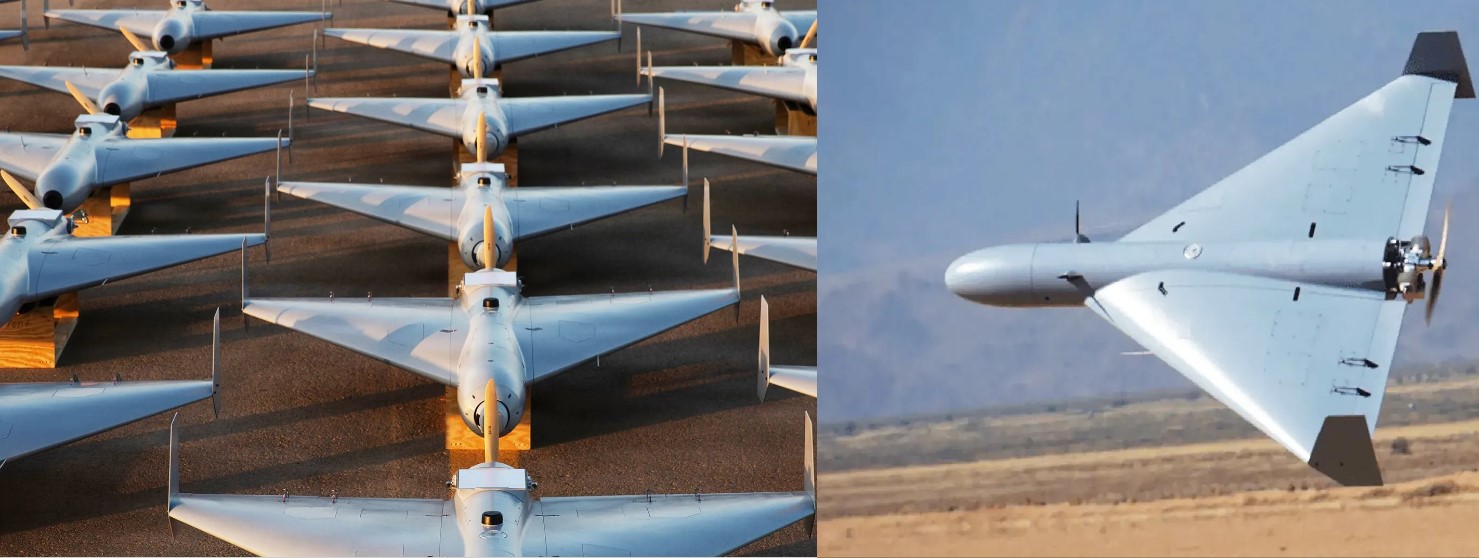
The new drone squadron will include a range of surveillance, reconnaissance, and attack drones. These drones will be handled by specially-trained BSF personnel stationed at select Border Outposts (BoPs). The operations of the squadron will be remotely coordinated through a central control room based at the BSF’s Western Command Headquarters in Chandigarh.
This strategic upgrade comes after a detailed review of BSF’s capabilities post-Operation Sindoor. The operation was launched on May 7 by Indian forces, including the Army and BSF, in retaliation to the April 22 terror attack in Pahalgam that claimed 26 innocent lives, mostly tourists.
In the days following the operation, Pakistan responded with drone swarms, targeting military and civilian areas on the Indian side. One deadly incident occurred on May 10, when a bomb-laden Pakistani drone struck the Kharkola border post in the RS Pura sector of Jammu, killing two BSF jawans and one Army soldier, and injuring four others—one of whom lost his leg.
In response, the BSF’s new drone squadron will be deployed across vulnerable BoPs spanning the 2,000+ km Indo-Pak border, from Jammu to Gujarat. Each team will have 2–3 specially trained personnel with access to both small and large UAVs for real-time surveillance and response in combat or emergency scenarios.
Sources confirmed that special drones and advanced equipment are being procured, and training of BSF personnel is already underway in batches. The focus is on quick deployment, precision targeting, and live reconnaissance during crises like Operation Sindoor or any future hostilities.
To counter the increasing threat of cross-border drone attacks, the BSF is also fortifying its bunkers. Walls and roofs at border posts are being reinforced with metal alloys to withstand blasts from drone-dropped explosives. Additional anti-drone technologies are being planned in collaboration with defence and intelligence agencies, enabling the force to detect and neutralise rogue UAVs.
A senior BSF officer noted that these enhancements are being done quietly but effectively, and many details are being kept confidential for security reasons.
Union Home Minister Amit Shah had earlier declared that more than 118 Pakistani posts were destroyed and their surveillance systems dismantled during Operation Sindoor, showcasing India’s offensive and defensive readiness.
With this new BSF drone squadron, India is taking another bold step in modernising border defence and neutralising threats from the skies—a move that signals seriousness in dealing with emerging aerial warfare along one of the country’s most sensitive frontiers.
✍️ This article is written by the team of The Defense News.