BSF Deploys AI-Enabled Cameras to Curb Infiltration on India-Bangladesh Border
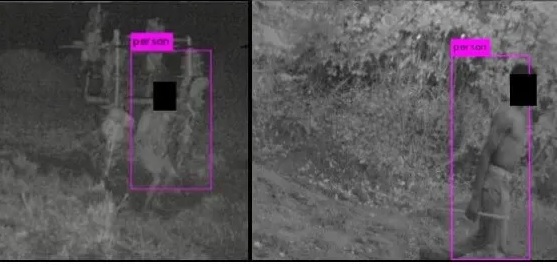
The Border Security Force (BSF) is stepping up its game to tackle infiltration and illegal activities along the India-Bangladesh border. Leveraging cutting-edge technology, the BSF is now utilizing AI-enabled cameras and facial recognition tools to enhance surveillance and security.
Inspector General of BSF’s Tripura frontier, Patel Piyush Purushottam Das, announced on Sunday that these advancements are part of a broader strategy to augment physical domination along the border. With increased manpower at sensitive outposts and special operations aimed at dismantling networks of touts and smugglers, the BSF is working diligently to maintain a zero-tolerance policy against illegal activities.
This move comes shortly after Tripura Chief Minister Manik Saha urged the BSF to intensify its vigilance along the border to curb infiltration. Responding swiftly, the BSF has tightened security measures, including plugging gaps in border fencing with improvised methods and deploying additional teams in strategic areas. Special emphasis is also being placed on joint operations with state police and other security agencies, yielding significant results on the ground.
In a bid to address cross-border crimes effectively, a recent four-day IG BSF-Regional Commander Border Guard Bangladesh (BGB) meeting in Shillong resulted in several key agreements. Both forces committed to identifying vulnerable patches along the border and enhancing coordinated patrols. Additionally, a dossier listing Bangladeshi touts and criminals was handed over to the BGB, who assured action as per their laws. Real-time information sharing through field commander-level communication was also agreed upon, showcasing a collaborative approach to border security.
The impact of these measures is evident. In the current year alone, the BSF has seized contraband worth Rs 29 crore, apprehended 198 Bangladeshi nationals, and 12 Rohingyas. Narcotics and psychotropic drugs valued at Rs 32 crore have also been confiscated. The intensified efforts are a direct response to the growing challenge of infiltration, with Chief Minister Saha highlighting the need for stringent measures during a high-level meeting on July 4.
The situation has been particularly tense in Tripura, where around 100 Bangladeshi nationals, including women and children, were recently arrested at the Agartala railway station for illegal entry. Additionally, 25 Rohingyas, including six women and seven children, were apprehended in North Tripura district over the past two months. These individuals had fled from camps in Bangladesh’s Cox’s Bazar, where over one million displaced Rohingyas from Myanmar have been residing since 2017.
The BSF’s multi-dimensional approach, combining advanced technology and increased manpower, aims to ensure a secure and well-guarded border. As these measures continue to be implemented, the collaboration between BSF and BGB remains crucial in maintaining the integrity of the India-Bangladesh border.
✍️ This article is written by the team of The Defense News.