Australia Flags 5 Lakh Users of Weight-Loss Jabs for Mental-Health Risk, India Crosses ₹100-Crore Sales
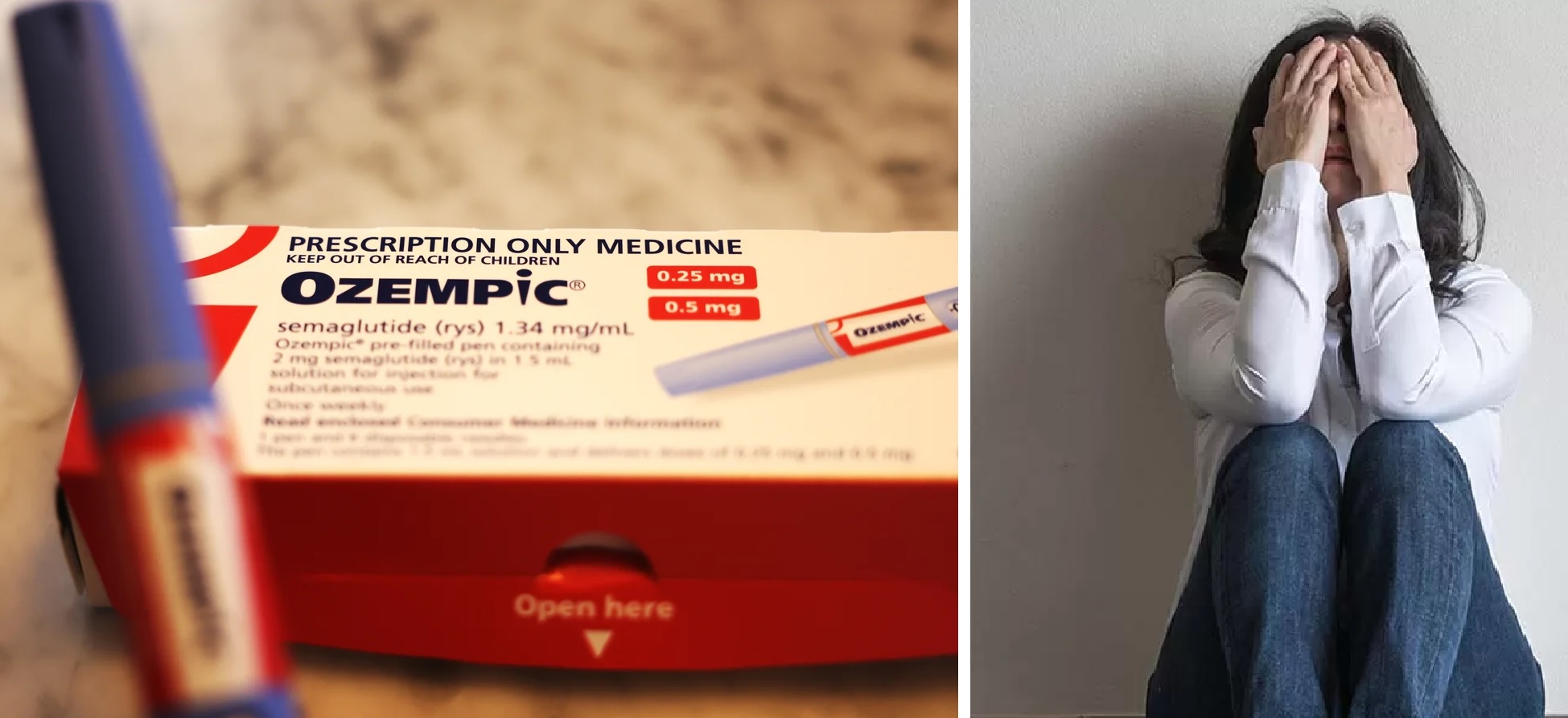
Australia has issued an urgent safety alert over widely-used weight-loss injections such as Ozempic and Mounjaro, after regulators linked the medications to depression, unusual mood changes and suicidal thoughts. The warning comes amid claims on social media that more than 5 lakh Australians who used these jabs are now considered “at risk,” prompting public anxiety even though official case numbers are far smaller.
At the same time, the very same drugs have become the highest-selling weight-loss medicines in India, generating nearly ₹100 crore in sales in October alone — underscoring the scale of global dependence on GLP-1-based injections.
Australia Tightens Safety Rules After Suicidal-Risk Reports
The alert was issued by Australia’s Therapeutic Goods Administration (TGA), which has added new mental-health warnings to Ozempic, Wegovy, Saxenda, Trulicity and Mounjaro — all part of a rapidly growing class of diabetes and obesity medicines.
According to the TGA’s own monitoring system, Australia has recorded a small but concerning series of cases among GLP-1 drug users, including:
-
Reports of suicidal thoughts
-
A few suicide attempts
-
A handful of completed suicides
Although these numbers are limited when compared to the hundreds of thousands of Australians using the drugs, authorities say even rare signs of self-harm require immediate caution.
Doctors in Australia have been instructed to watch patients closely for sudden mood changes, depression or suicidal ideation, especially when increasing doses or when prescribing the injections to people with existing mental-health conditions.
India Becomes a Hotspot: How These Drugs Are Sold Here
India has seen an unprecedented surge in demand for the same medicines now under scrutiny abroad. Market trackers report that:
-
Mounjaro became India’s highest-selling drug by value in October, crossing ₹100 crore in a single month.
-
India’s anti-obesity drug market is expanding rapidly and is expected to cross ₹2,000–3,000 crore within the next two years.
In India, these drugs are available under the following names:
Semaglutide Brands (Ozempic/Wegovy family)
-
Ozempic – Injected weekly for diabetes
-
Wegovy – For obesity and weight management
-
Rybelsus – Oral semaglutide tablets
Tirzepatide Brands (Mounjaro family)
-
Mounjaro KwikPen – Weekly injection
-
Yurpeak – Indian-market brand under Eli Lilly–Cipla partnership
India’s approvals for these drugs come from the Central Drugs Standard Control Organisation (CDSCO), which has permitted their use for diabetes and medically supervised weight-loss.
Major pharmaceutical companies involved include Novo Nordisk (makers of Ozempic, Wegovy, Rybelsus) and Eli Lilly (makers of Mounjaro and distributor of Yurpeak via Cipla).
How These Drugs Can Harm Human Health
Doctors caution that although GLP-1 and dual-hormone weight-loss drugs are medically effective, they also carry significant health risks, particularly when used without proper supervision. The most common problems begin in the digestive system, where patients frequently experience nausea, vomiting, diarrhoea, constipation, stomach pain and a sharp loss of appetite. These symptoms can lead to dehydration, which places additional stress on the kidneys.
International regulators have also recorded more serious complications involving the pancreas and gallbladder. Cases of acute pancreatitis, gallbladder infections and gallstone formation have been reported in multiple countries, with some patients requiring hospital treatment. Alongside this, medical guidance highlights the potential for acute kidney injury, worsening diabetic retinopathy and a possible thyroid-tumour signal observed in laboratory animals. Because of this, people with a personal or family history of thyroid cancer are advised to avoid these medicines altogether.
Another growing concern is the loss of muscle mass and essential nutrients. Since these drugs sharply reduce appetite, rapid weight loss can lead to physical weakness, fatigue and nutritional deficiencies unless users follow a monitored diet and exercise plan.
The most sensitive issue now emerging involves mental health. Reports from Australia, the United States and Europe have prompted regulators to monitor for depression, sudden mood changes and suicidal thoughts. Although no health authority has confirmed that the drugs directly cause suicidal behaviour, the pattern of real-world cases has led to strict precautionary warnings. Experts suggest that mood disturbances may occur in people with underlying depression, anxiety disorders, body-image issues, eating-disorder histories, or individuals undergoing the hormonal and psychological stress of rapid weight loss.
As of now, the position of Australia’s TGA, the U.S. FDA and Europe’s EMA remains consistent: there is no proven causal link between GLP-1 drugs and suicidal behaviour, but the need for close monitoring, early detection and immediate reporting of any mental-health changes is essential.
Who Allowed These Drugs to Be Sold?
In Australia, these weight-loss and diabetes drugs are approved and monitored by the Therapeutic Goods Administration (TGA), which has recently added updated warnings addressing potential mental-health risks and, in the case of Mounjaro, concerns about reduced contraceptive effectiveness due to delayed gastric emptying.
In India, the medicines fall under the oversight of the Central Drugs Standard Control Organisation (CDSCO), which operates within the Union Health Ministry. The agency has authorised several brands for medical use, including Ozempic, Wegovy, Rybelsus, Saxenda, Trulicity, Mounjaro and Yurpeak, covering both semaglutide-based and tirzepatide-based treatments.
These products are manufactured by major global pharmaceutical companies. Novo Nordisk produces the semaglutide family of drugs, while Eli Lilly is responsible for the tirzepatide range. In India, Cipla partners with Eli Lilly to distribute tirzepatide under the brand Yurpeak. Across all markets, these medications remain strictly prescription-only, requiring proper medical supervision and regular monitoring to ensure safe and appropriate use.
A Growing Global Debate
The explosive rise of weight-loss injections has created a global dilemma:
-
Millions are turning to these drugs for rapid transformation.
-
Regulators are scrambling to keep up with real-world safety data.
-
Doctors warn against “cosmetic misuse” without proper monitoring.
For now, health authorities worldwide — including India’s — urge users to immediately report any mood changes, depression or suicidal thoughts, and to seek emergency help if needed.
These medicines, experts emphasise, are powerful metabolic drugs, not lifestyle products.
About the Author
Aditya Kumar:
Defense & Geopolitics Analyst
Aditya Kumar tracks military developments in South Asia, specializing in Indian missile technology and naval strategy.