Astra MK-2 Missile Set for User Trials on Su-30MKI Soon
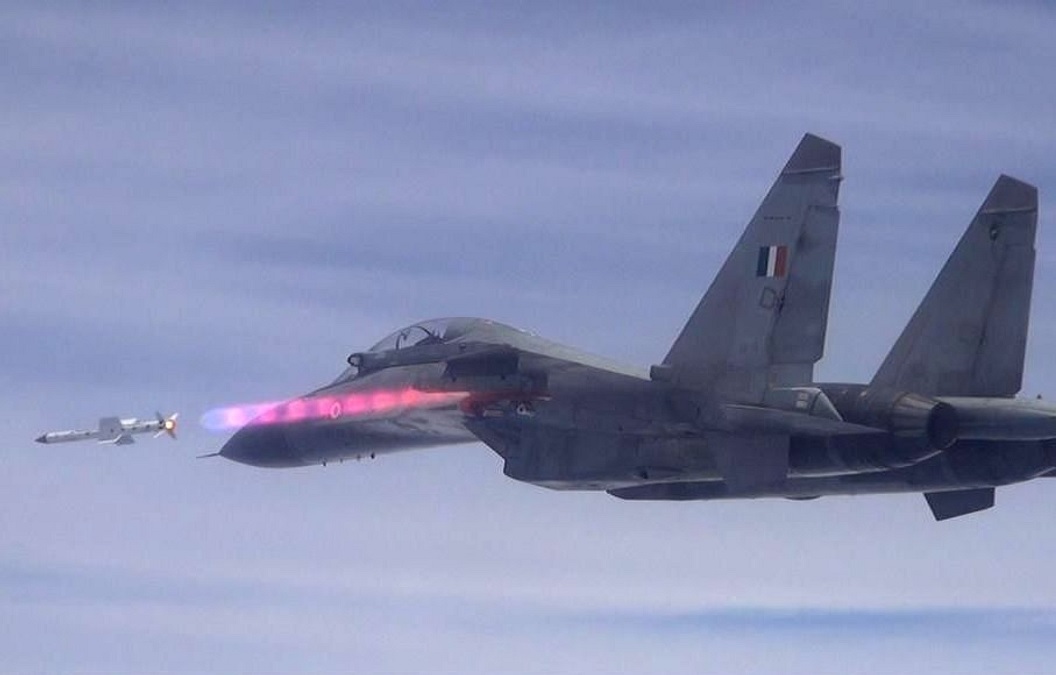
India is about to take a major step forward in its air combat capabilities as the Astra MK-2, an advanced Beyond Visual Range Air-to-Air Missile (BVRAAM), is now ready to enter user trials with the Indian Air Force’s (IAF) Su-30MKI fighter jet. This comes after a series of successful developmental tests and represents a big leap in India’s efforts toward defence self-reliance.
The Astra MK-2, developed by the Defence Research and Development Organisation (DRDO), is a much-improved version of the Astra MK-1, offering a significantly longer strike range of 140 to 160 kilometres. In comparison, the MK-1 had a range of up to 110 km. With this extended reach, the Astra MK-2 now stands in the same league as top global air-to-air missiles like the American AIM-120D AMRAAM and the Chinese PL-15.
What makes the Astra MK-2 stand out is its dual-pulse solid rocket motor, a critical upgrade that improves its energy management and manoeuvrability, especially in the final phase of an engagement. This helps expand its "no-escape zone", making it harder for enemy aircraft to evade the missile once locked.
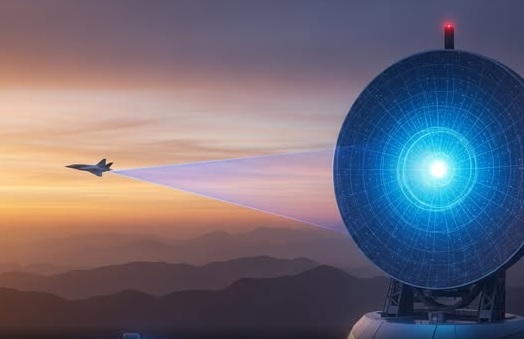
Another major highlight is the missile’s indigenously developed AESA (Active Electronically Scanned Array) seeker, which provides precise targeting even in electronic warfare environments. This feature is especially important when facing modern enemy aircraft like the JF-17 Block-III or the Chinese J-10C, both of which are equipped with advanced jamming and countermeasure systems.
The Astra MK-2 has already undergone extensive captive and flight trials on the Su-30MKI. These earlier tests have confirmed that the missile performs well in flight, tracks targets accurately, and integrates effectively with the aircraft's advanced avionics and radar systems.
Now, in its final phase of testing, the missile will go through user trials, which involve real-world combat evaluations with frontline IAF pilots. These trials will ensure the missile can hit high-speed, manoeuvring targets under different weather and combat conditions. The focus will also be on refining the integration between the missile and the Su-30MKI’s fire-control systems, ensuring flawless operation in live missions.
As of mid-2025, the Astra MK-2 has already entered limited series production, with the Ministry of Defence planning dual production lines to meet expected demand. Once user trials are complete—likely by 2026—the missile is expected to be inducted into service by 2027. The missile is also being prepared for integration with other platforms such as the TEJAS MK-1A, Rafale, and MiG-29K.
The program is part of a larger national effort to reduce dependence on foreign missile systems. Over 50 Indian companies, including key players like HAL and BDL, are involved in manufacturing critical components, indicating strong public-private collaboration in defence manufacturing.
With its extended range, high agility, cutting-edge seeker, and integration with frontline jets, the Astra MK-2 is set to become a key asset in the Indian Air Force’s arsenal, helping India maintain air superiority in contested airspaces and counter modern aerial threats more effectively than ever before.
✍️ This article is written by the team of The Defense News.