Armored BMW Purchase Triggers Fresh Scrutiny of FBI Director Kash Patel
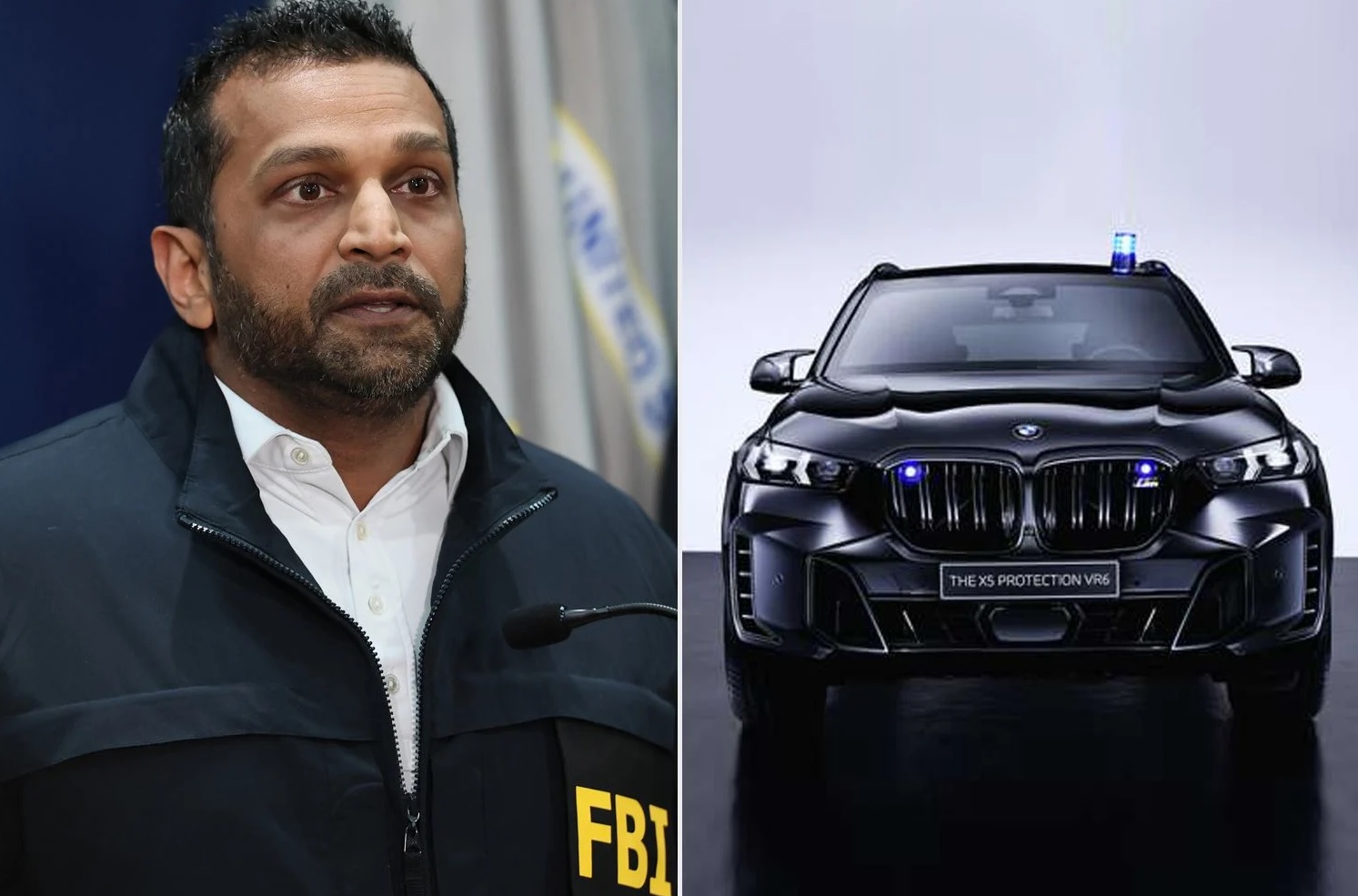
FBI Director Kash Patel is facing renewed scrutiny after reports revealed that the Federal Bureau of Investigation purchased a fleet of luxury armored BMW vehicles for his official travel, a decision that has reignited debate over agency spending and leadership judgment.
The development comes amid ongoing questions about Patel’s use of taxpayer-funded resources and has drawn criticism from former officials and lawmakers, who argue that the optics risk undermining public trust in the nation’s premier law enforcement agency.
Details of the Vehicle Procurement
According to a report by Forbes, citing sources from MS Now, the FBI acquired an unspecified number of armored BMW X5 sport utility vehicles at Patel’s request. The bureau later confirmed the purchase, saying the vehicles were intended to make the FBI director less conspicuous during official travel and to enhance security by avoiding predictable vehicle profiles.
Traditionally, FBI directors have relied on armored Chevrolet Suburbans, a long-standing symbol of executive protection within U.S. law enforcement. The switch to BMWs marks a notable departure from precedent and has raised questions about necessity and symbolism.
Criticism and Official Response
The decision quickly drew sharp criticism from former Justice Department officials. Stacey Young described the purchase as “an embarrassment,” arguing that it projects an image of excess at odds with the FBI’s mission and responsibilities.
In response, FBI spokesperson Ben Williamson defended the procurement, stating that the BMWs were selected after a review of available options and were more cost-effective than other armored vehicle upgrades under consideration. While the bureau has not disclosed the exact number of vehicles or their final price, unofficial estimates cited in media reports suggest the total cost could be around $480,000.
Political Tensions Add to Pressure
The controversy over the vehicles follows a public exchange between Patel and Democratic Representative Eric Swalwell. The dispute erupted on social media after reports surfaced that Patel was seen wearing a female FBI officer’s jacket during a trip to Utah, allegedly after failing to bring his own. Swalwell mocked the incident, saying the FBI director should focus on addressing domestic terrorism rather than engaging in what he portrayed as distractions.
Patel pushed back, accusing critics of politicizing trivial matters and diverting attention from the bureau’s core work.
Broader Allegations and Public Perception
Patel’s challenges have been compounded by lingering, unverified allegations circulating online about his personal life, including claims that he is dating an Israeli intelligence operative. No evidence has been publicly presented to support these assertions, and they have not been confirmed by U.S. or foreign officials. Still, the rumors have added to a broader atmosphere of controversy surrounding his tenure.
Implications for the FBI
Together, the armored vehicle purchase, the public clash with a sitting congressman, and the swirl of personal allegations have placed Patel under unusually intense scrutiny for an FBI director. For the Federal Bureau of Investigation, the episode underscores how leadership decisions involving taxpayer money and public symbolism can quickly become political flashpoints.
As questions continue, observers say the outcome may shape not only Patel’s standing but also perceptions of transparency and accountability within the FBI at a time when confidence in federal institutions remains fragile.
✍️ This article is written by the team of The Defense News.