Armenia Set to Become First Global Buyer of India’s Next-Generation Akash-NG Air Defence System
Armenia is preparing to take a major step in strengthening its military capabilities by expressing interest in acquiring India’s advanced Akash-NG (Next Generation) surface-to-air missile system. This move would make Armenia the first international customer of the Akash-NG once it enters production, building upon a fast-growing defence partnership between the two countries.
Armenia’s Deepening Defence Ties with India
In recent years, Armenia has emerged as one of the key buyers of Indian defence products. Back in 2022, the country signed a $720 million agreement for 15 Akash-1S missile systems. The first set of these air defence systems was delivered in November 2024, while the second batch is scheduled for delivery after July 2025.
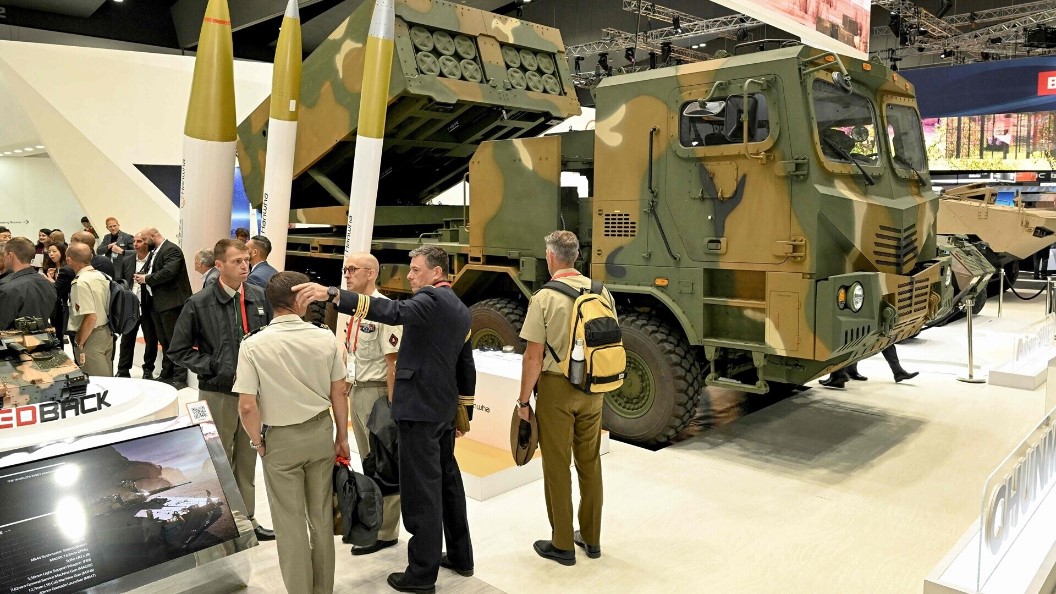
Besides Akash missiles, Armenia has also purchased Pinaka multi-barrel rocket launchers and 155mm artillery guns from India. These deals have not only strengthened Armenia’s military but have also positioned it as one of India’s top three defence export destinations, alongside the United States and France.
Following the successful performance of the Akash-1S system, which uses indigenous seeker technology to intercept various aerial threats, Armenia is now eyeing the more powerful and advanced Akash-NG system.
What Makes Akash-NG Special?
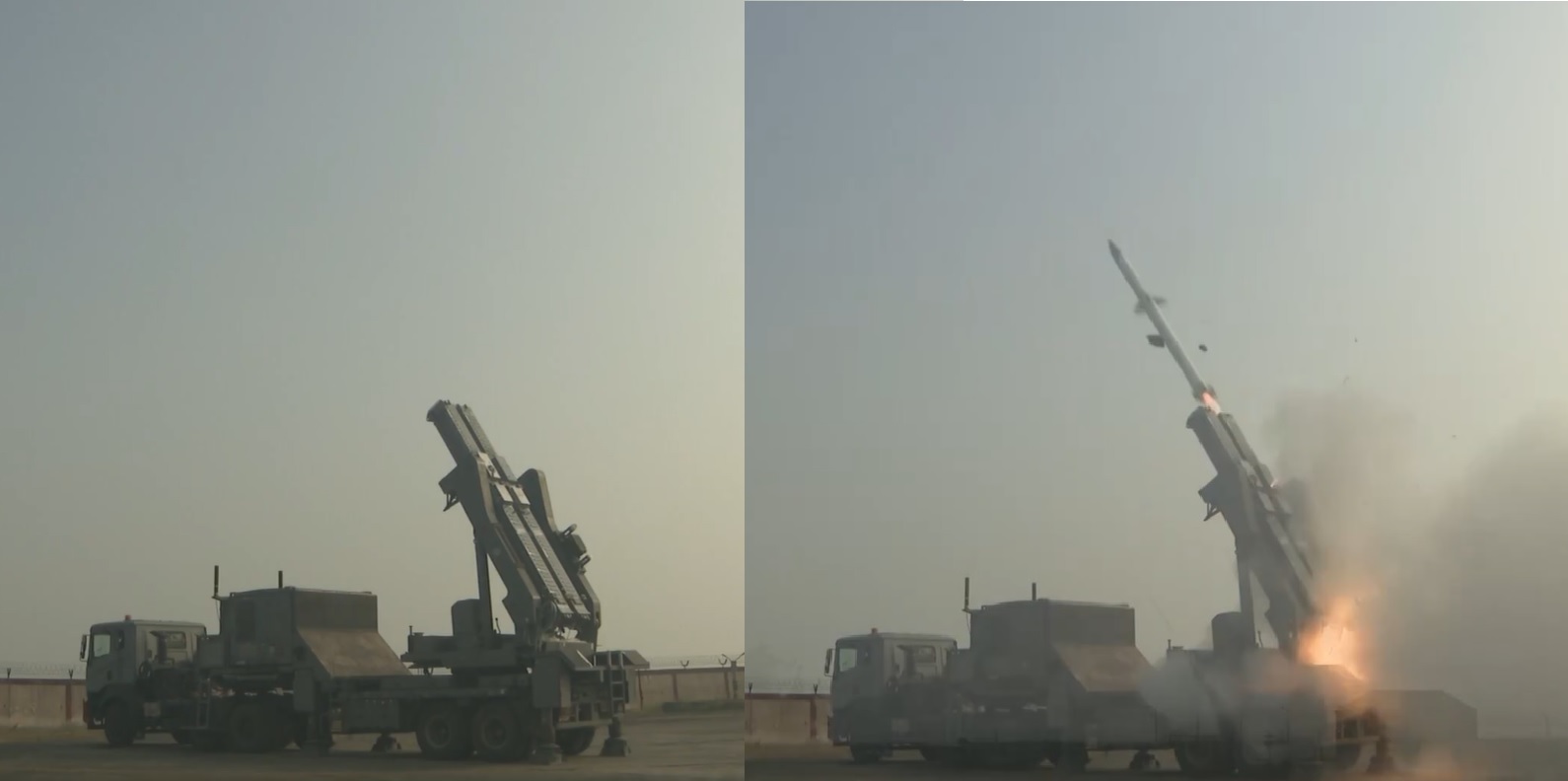
The Akash-NG is a significant upgrade over its predecessors in India’s surface-to-air missile defence line-up. Developed by the Defence Research and Development Organisation (DRDO), this system offers several modern features that make it ideal for countering today’s aerial threats, including fighter jets, drones, cruise missiles, and precision-guided munitions.
Key Specifications of Akash-NG:
-
Range: 70-80 kilometres (compared to Akash-1S’s 25-30 km range)
-
Altitude Coverage: From 30 meters to 14 kilometres
-
Propulsion: Dual-pulse solid rocket motor, making it faster and lighter than earlier variants
-
Radar: Active Electronically Scanned Array (AESA) Multi-Function Radar
-
Seeker: Ku-band active radar seeker for accurate terminal guidance
-
Reaction Time: Missile launch within 10 seconds of target detection
-
Salvo Launch Capability: Can fire 3 missiles within 20 seconds
-
Deployment Time: Less than 20 minutes from transport to firing position
-
Multi-Target Engagement: Can simultaneously track and engage several threats
-
High Resistance to Jamming: Designed to operate effectively in dense electronic warfare situations
This next-generation system is also fully canisterised, which improves its mobility and operational flexibility in various terrains.
Why is Armenia Interested?
Armenia’s growing interest in Akash-NG comes in the aftermath of the 2020 Nagorno-Karabakh conflict, where the country faced significant challenges against drones and modern air threats, particularly from Turkish-made Bayraktar TB2 drones used by Azerbaijan. This conflict exposed gaps in Armenia’s air defence network.
While the Akash-1S has helped close some of these gaps, its range is limited to 30 kilometres. The Akash-NG, with its nearly three times greater range and advanced targeting systems, would give Armenia a much stronger shield against potential aerial attacks and allow for a layered air defence strategy.
Additionally, Armenia is keen to diversify its military suppliers. Historically, over 90% of its weapons came from Russia between 2011 and 2020. By sourcing modern systems from India, Armenia not only strengthens its military but also reduces dependency on any single supplier, especially at a time when regional geopolitics are shifting.
When Will Akash-NG Be Ready?
The Akash-NG is currently in its final development and testing stages. Production is expected to begin in 2026, although there could be minor delays due to ongoing user trials. The system was successfully tested in 2021 and has since shown promising results.
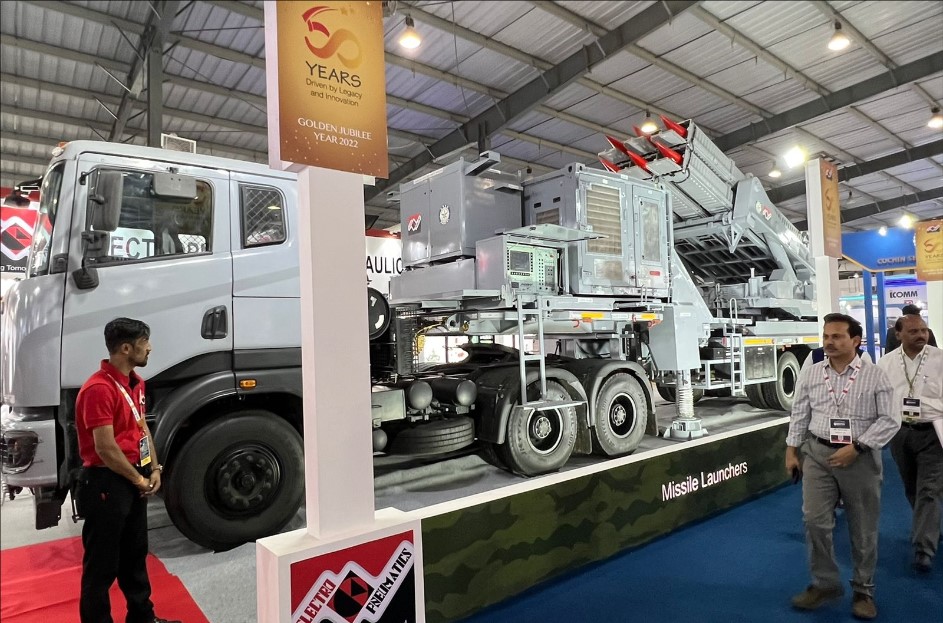
Production will be undertaken by Bharat Dynamics Limited (BDL) and Bharat Electronics Limited (BEL), alongside private sector partners like Electropneumatics and Hydraulics India under India’s Development cum Production Partner initiative.
Before being offered for export, the Akash-NG is expected to secure orders from India’s own armed forces, which is a standard practice for India’s indigenous defence systems.
Regional and Geopolitical Impact
Armenia’s possible acquisition of the Akash-NG would likely reshape military dynamics in the South Caucasus. Though defensive in nature, such systems are vital to protecting critical infrastructure, military bases, and cities from airborne threats.
However, neighbouring Azerbaijan and its close ally Turkey may view this move with concern, especially at a time when peace talks remain sensitive following the recent conflict. The deal also signifies India’s growing role as a global defence supplier, willing to export advanced systems to countries dealing with complex security situations.
For India, it’s a strategic leap, as defence exports play a growing role in its ambitions to become a self-reliant military power and a significant player in the global arms market.
Conclusion
Armenia’s expressed interest in becoming the first international customer of India’s Akash-NG air defence system marks an important milestone in the defence relationship between the two countries. It reflects Armenia’s efforts to modernise its military and secure its airspace while also highlighting India’s emergence as a trusted and capable defence exporter.
As production of the Akash-NG nears its start, this partnership could set the stage for more such deals in the future — not just with Armenia, but with other nations looking for reliable, modern, and cost-effective air defence solutions.
✍️ This article is written by the team of The Defense News.