Akash-NG Missile Enters User Trials With Armed Forces
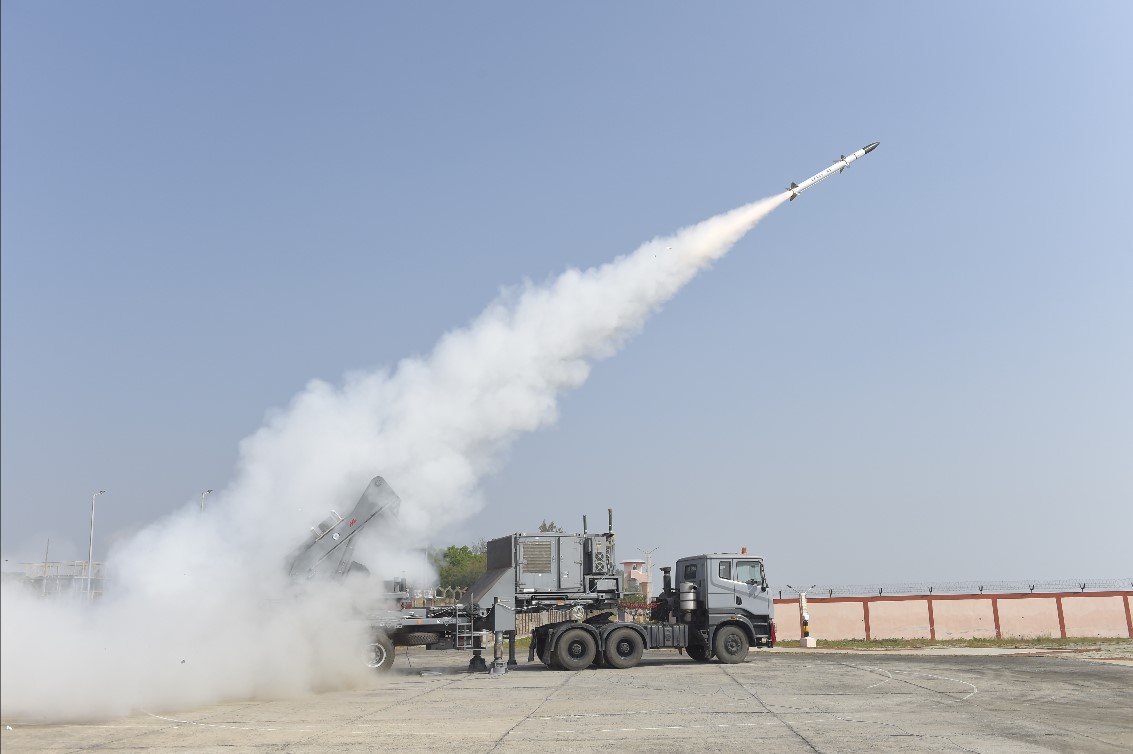
New Delhi, August 2025 – India’s next-generation Akash surface-to-air missile (Akash-NG) has entered user trials with the armed forces, a key step before its induction into operational service. Developed by the Defence Research and Development Organisation (DRDO), the missile is designed to provide longer range, higher accuracy, and better reliability compared to the current Akash system.
The Akash-NG has already completed a series of successful developmental trials over the past few years. With the system now handed over to the Army and the Air Force for testing in real battlefield conditions, India is moving closer to deploying one of its most advanced air defence systems.
Stronger Capabilities
The Akash-NG has a range of 70 to 80 kilometres, more than double that of the earlier Akash variant. It uses a dual-pulse solid rocket motor, giving it faster acceleration and longer endurance in the air. The missile is guided by an indigenous Ku-band active radar seeker, capable of tracking and intercepting small, fast-moving, and low-flying targets such as drones, cruise missiles, and fighter aircraft.
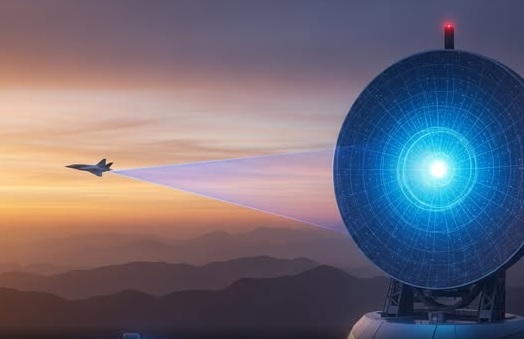
The system is paired with a modern AESA multi-function radar, a canisterized launcher for rapid deployment, and an optical proximity fuse for precision engagement. These features allow the Akash-NG to engage multiple targets at once, even in difficult weather or high-altitude conditions.
Successful Tests So Far
The missile’s first trial took place in January 2021, followed by a series of tests against high-speed aerial targets in the same year. More recent evaluations, including a test in January 2024, confirmed its ability to intercept enemy aircraft at low altitudes and in challenging environments.
Upcoming trials will focus on high-altitude performance, particularly in regions like Ladakh, where thin air and extreme cold present unique challenges.
A Push for Self-Reliance
The Akash-NG is being developed with wide participation from Indian defence industries, including Bharat Electronics Limited (BEL) and Bharat Dynamics Limited (BDL). With a unit cost expected to be much lower than comparable foreign missile systems, it is not only strategically valuable but also economically efficient.
Officials say the missile could be inducted by 2026–27 once the current phase of user trials is completed.
Strategic Importance
The Akash-NG will form a key part of India’s layered air defence shield, alongside systems like the indigenous QRSAM and foreign platforms such as the S-400. Its long range and advanced seeker technology will give India an effective response against modern aerial threats, strengthening security along both western and northern borders.
✍️ This article is written by the team of The Defense News.